US Supreme Court tariff ruling 2026: When the US Supreme Court struck down President Donald Trump’s sweeping global tariffs in a 6-3 decision on February 20, 2026, financial markets briefly cheered. Importers celebrated what felt like the end of a chaotic era of emergency taxes.
But has the global tariff war actually ended? The short answer is absolutely not. The battlefield has simply shifted. While the highest court in the United States successfully dismantled one of the president’s favorite legal weapons, the White House pivoted within hours, invoking a 50-year-old law to keep the trade war alive.

If you are an importer, an exporter, or simply watching the geopolitical fallout, here is the unvarnished reality of which tariffs were actually dismissed, what survived, and what the future holds for global supply chains.
US Supreme Court tariff ruling 2026: What Exactly Did the Supreme Court Dismiss?
To understand the current landscape, we have to look at the specific law the Supreme Court targeted: the International Emergency Economic Powers Act (IEEPA) of 1977.
President Trump had used this emergency statute to unilaterally impose taxes on nearly the entire world, arguing that trade deficits and border security constituted a “national emergency.” Chief Justice John Roberts and the court majority ruled that IEEPA does not give the president the power to tax—a right strictly reserved for Congress.
This ruling instantly invalidated:
- The 10% Baseline Tariff: The blanket tax applied to imports from nearly every trading partner.
- The “Reciprocal” Tariffs: Punitive taxes ranging from 15% to over 50% levied on specific countries running high trade deficits with the US.
- The “Trafficking” Tariffs: The 25% to 35% duties aimed at Canada, Mexico, and China, designed to coerce those nations into halting the flow of fentanyl.
The Big Misconception: Are ALL Tariffs Dismissed?
No. Not even close. The Supreme Court only struck down tariffs that relied on the IEEPA statute. The president has several other trade authorities at his disposal, and the tariffs enacted under those laws remain fully active and legally untouched.
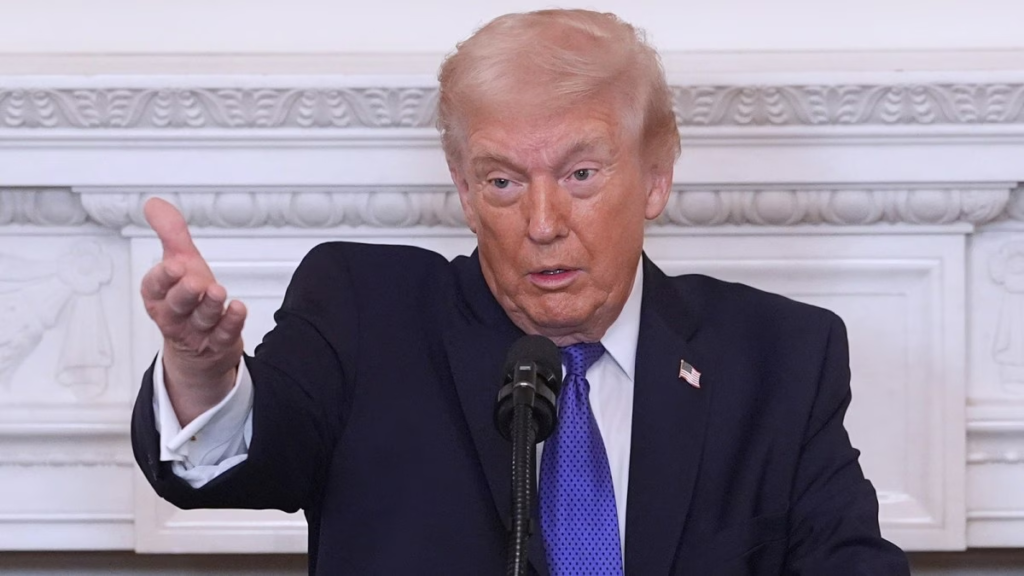
Here is what is still actively taxing global imports today:
- Section 232 Tariffs (National Security): The heavy tariffs on imported steel, aluminum, automobiles, heavy trucks, and wood products remain completely in effect.
- Section 301 Tariffs (Unfair Trade Practices): The massive, multi-billion dollar tariffs imposed on Chinese imports during Trump’s first term—and newly expanded tech and semiconductor levies—are entirely unaffected by the Supreme Court ruling.
The 2026 US Tariff Survival Guide
| Trade Law | Purpose | Current Status After Supreme Court Ruling |
| IEEPA (1977) | National Emergency Powers | Struck Down. All associated “Liberation Day” and trafficking tariffs are legally void. |
| Section 232 | National Security | Active. Steel, aluminum, and auto tariffs remain in place. |
| Section 301 | Unfair Trade Practices | Active. Chinese import tariffs remain fully enforced. |
| Section 122 | Balance of Payments | Newly Activated. Temporary 10% global tariff starts Feb 24, 2026. |
The 150-Day Loophole: The New Section 122 Tariff
Unwilling to concede defeat, President Trump signed a new proclamation on the exact same day the Supreme Court ruled against him. He invoked Section 122 of the Trade Act of 1974.
This rarely used law allows the president to impose a temporary import surcharge of up to 15% to address “large and serious United States balance-of-payments deficits.”
Effective February 24, 2026, a new 10% global tariff will blanket the world, essentially replacing the baseline tariff the Supreme Court just destroyed. However, there is a massive catch: Section 122 explicitly states that this tariff expires in 150 days (July 24, 2026) unless Congress actively votes to extend it.
Future Outlook: The Next 6 Months of Global Trade
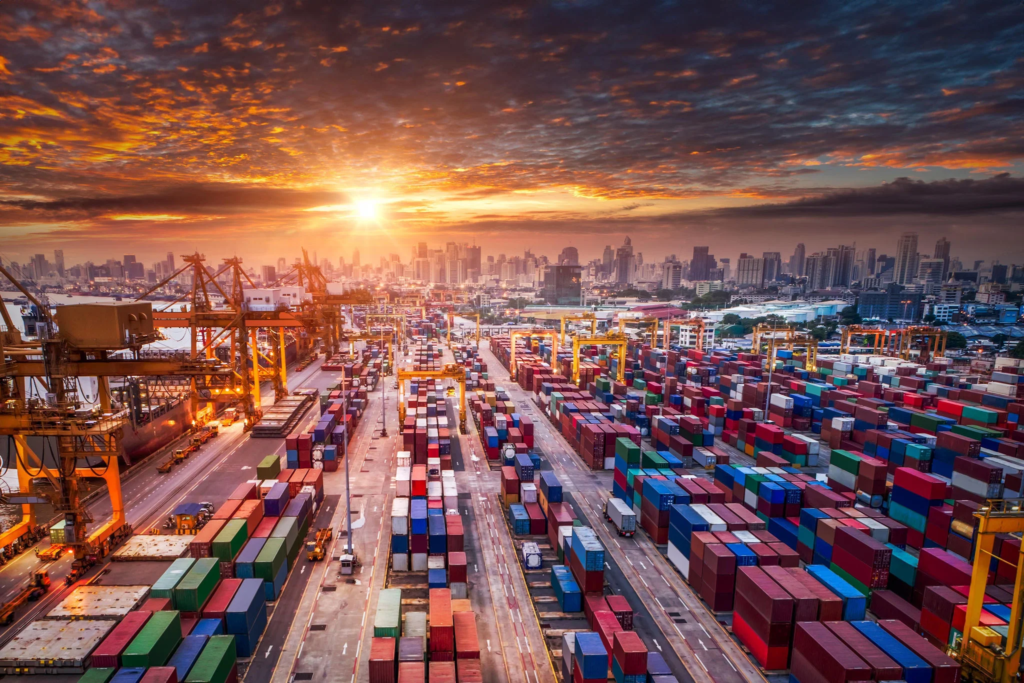
The Supreme Court didn’t bring peace; they brought a ticking clock. Here is what the global trade outlook looks like for the remainder of 2026:
- The $160 Billion Refund Nightmare: The US government illegally collected an estimated $160 billion under the voided IEEPA tariffs. Major corporations like Costco and Alcoa will spend the next several years in the Court of International Trade fighting to get those refunds. Smaller businesses may find the litigation costs too high to ever see that money again.
- The “Frontloading” Frenzy: Because the new 10% global tariff legally expires in late July, retailers and manufacturers will panic. Expect companies to aggressively “frontload” their holiday inventory, ordering massive shipments to arrive before the summer deadline. This surge will likely cause ocean freight rates to skyrocket by April.
- The Aggressive Pivot: The White House knows the 150-day clock is ticking. Expect the administration to use this narrow window to launch rapid-fire Section 301 investigations against major trading partners. The goal is to lock in permanent, legally sound tariffs before the temporary Section 122 loophole expires.
Frequently Asked Questions: The 2026 Tariff Ruling
Did the Supreme Court strike down all of Trump’s tariffs?
No. The Supreme Court only struck down the sweeping global tariffs and “reciprocal” tariffs that were imposed using the International Emergency Economic Powers Act (IEEPA). Sector-specific tariffs enacted under different laws—such as the Section 232 tariffs on steel and aluminum, and the Section 301 tariffs on Chinese imports—remain fully active and legally untouched.
What happens to the billions of dollars already collected under the illegal tariffs?
This is the $160 billion question. While the Supreme Court ruled the IEEPA tariffs were unconstitutional, it did not establish an automatic refund process. Importers and corporations will likely have to file lawsuits with the US Court of International Trade to recoup their money, a process that analysts warn could take years of complex litigation.
What is the new 10% global tariff under Section 122?
Hours after the Supreme Court decision, President Trump invoked Section 122 of the Trade Act of 1974. This rarely used law allows the president to impose a temporary import surcharge of up to 15% to address “large and serious United States balance-of-payments deficits.” Trump set this new global rate at 10%, which goes into effect on February 24, 2026.
How long will the new Section 122 tariff last?
By law, a tariff enacted under Section 122 expires in exactly 150 days (July 24, 2026). It cannot be extended unless Congress explicitly votes to authorize it. The White House is expected to use this 150-day window to launch rapid investigations under other trade laws to try and make the tariffs permanent.
How does this ruling affect the recently negotiated US-India trade deal?
It actually gives India an unexpected discount. Under the recent interim trade deal, the US had agreed to lower punitive tariffs on India to a reciprocal 18%. Because the Supreme Court struck down the legal mechanism for that 18% rate, Indian exports will now fall under the new blanket 10% global surcharge, meaning roughly 55% of India’s exports to the US just became cheaper to import.
ALSO READ: Trump new 10% global tariff: Why India’s Tariff Dropped to 10% After Trump’s Supreme Court Defeat

The Complete History of Iran Israel Relations: From Secret Allies to Arch-Rivals
Executive Briefing The Dramatic Shift: Today, Iran and Israel are engaged in a sprawling, multi-front…
Russian vs Gulf Crude Oil: Price, Refining, and Efficiency Compared
Executive Briefing Two of the most heavily traded categories in the world are Russian vs…
Who is Winning the US Iran War 2026? Casualties, Costs, and the 2026 Timeline
Executive Briefing (Update: March 12, 2026) As the 2026 Middle East conflict reshapes the global…

Global Oil Price Hike 2026: Petrol Prices & Strategic Reserves by Country
Executive Briefing Global Oil Price Hike 2026 (Update: March 12, 2026) The Price Shock: Following…
Can Trump Be Impeached In Midterm Elections 2026? Odds, Stats, and the Process Explained
Executive Briefing (Update: March 2026) As the United States gears up for the pivotal 2026…
Who Was Arrested From the Epstein Files in 2026? Photos & Facts
Executive Briefing (Update: March 2026) If you are wondering exactly who was arrested from the…

Ibrahim is the Founder and Lead Analyst at The Global Angle, an independent digital platform dedicated to factual geopolitical analysis and international affairs. Based in India, he combines an engineering background with a deep focus on global markets, diplomacy, and strategic security. Ibrahim leverages a data-driven, analytical approach to break down complex international conflicts and economic shifts, helping readers see beyond standard news narratives. When he isn’t researching global policy, he focuses on digital publishing, search engine optimization, and platform architecture.