Aravalli Mining Rules India and the Protests the Government Must Answer
Introduction
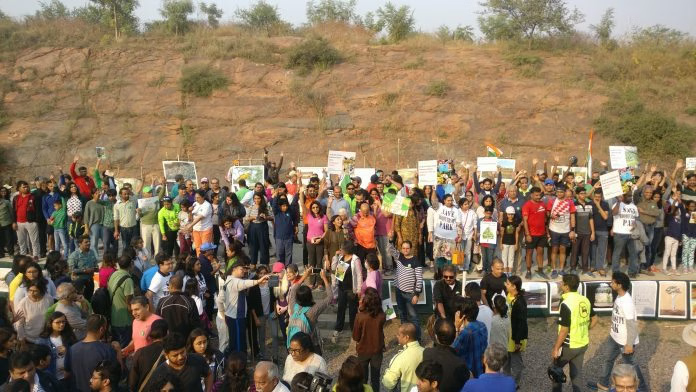
Aravalli mining rules India are now being shaped as much by street protests as by courtrooms and policy documents. Even as the Union government insists that only 0.19 per cent of the Aravalli range will be opened to mining, demonstrations demanding stronger protection of the hills continue across parts of the region.
The controversy matters because it is no longer limited to technical definitions or legal interpretations. It has become a question of trust. Can environmental assurances convince communities who fear that regulatory changes may permanently alter one of India’s oldest mountain systems?
What the Government Is Saying
Environment Minister Bhupender Yadav has defended the new norms, stating that mining will be allowed in less than one per cent of the Aravalli area and that no new mines are being opened.
He has repeatedly argued that illegal mining is the real threat and that clearer definitions will help enforcement. According to the government, around 90 per cent of the Aravalli region remains fully protected under the revised framework.
Government’s Key Assertions
| Issue | Official Position |
|---|---|
| Mining allowance | 0.19% of area |
| New mines | Not permitted |
| Main threat | Illegal mining |
| Protection | Majority of Aravalli |
| Legal basis | Supreme Court approval |
Yet these assurances have not eased public anxiety.
Protests on the Ground: Why Locals Are Unconvinced
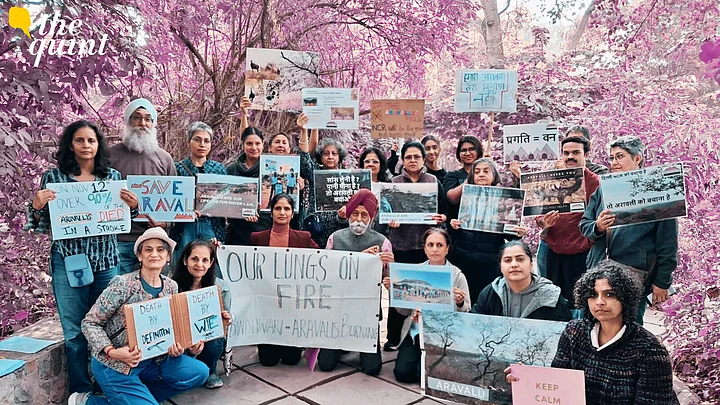
Despite official claims, protests demanding full protection of the Aravallis are ongoing. Residents across parts of the Aravalli belt, including villages that depend on the hills for water, grazing, and climate stability, have voiced opposition to the new norms.
The protests are not abstract. They reflect fear that redefining the Aravallis could legally open areas that were earlier considered ecologically linked to the range, even if they do not meet strict elevation criteria.
For many locals, the concern is simple. Once mining becomes legally permissible, enforcement often follows unevenly.
The Problem With the 0.19% Argument
The repeated emphasis on “only 0.19 per cent” has become a central government talking point. Protesters and environmental voices argue that percentages can be misleading.
Ecological systems do not function in percentages. Even small disruptions in sensitive zones can fragment habitats, affect groundwater recharge, and accelerate land degradation.
Communities argue that the issue is not how much land is opened, but whether opening any part weakens the ecological integrity of the whole.
New Definitions, Old Fears
The Centre’s new operational definitions have intensified protests rather than settled them.
Under the revised framework:
- Aravalli Hills are defined by a 100-metre elevation from local relief
- Aravalli Range requires two or more such hills within 500 metres
Critics fear this approach could exclude ecologically connected areas that fall just short of technical thresholds. Protesters argue that ecosystems do not follow contour lines drawn on paper.
This definitional shift lies at the heart of public resistance.
Supreme Court Ruling and Public Interpretation Gap
The government has cited the Supreme Court’s ruling to justify the changes, noting that the court sought clarity on what constitutes the Aravalli Hills and Range.
However, protesters argue that clarity should strengthen protection, not narrow it. The fact that a review is still pending before the court adds to uncertainty.
For communities on the ground, legal nuance matters less than long-term outcomes. They fear that once definitions change, reversing damage will be impossible.
Illegal Mining: The Unanswered Question
The government has identified illegal mining as the primary threat to the Aravallis. Protesters do not dispute this diagnosis. They question the prescription.
If illegal mining is the core problem, why is the response focused on redefining hills rather than demonstrating stronger enforcement, monitoring, and accountability?
Many protestors argue that regulatory clarity without enforcement capacity risks legitimising exploitation rather than preventing it.
Why the Protests Matter Beyond the Aravallis
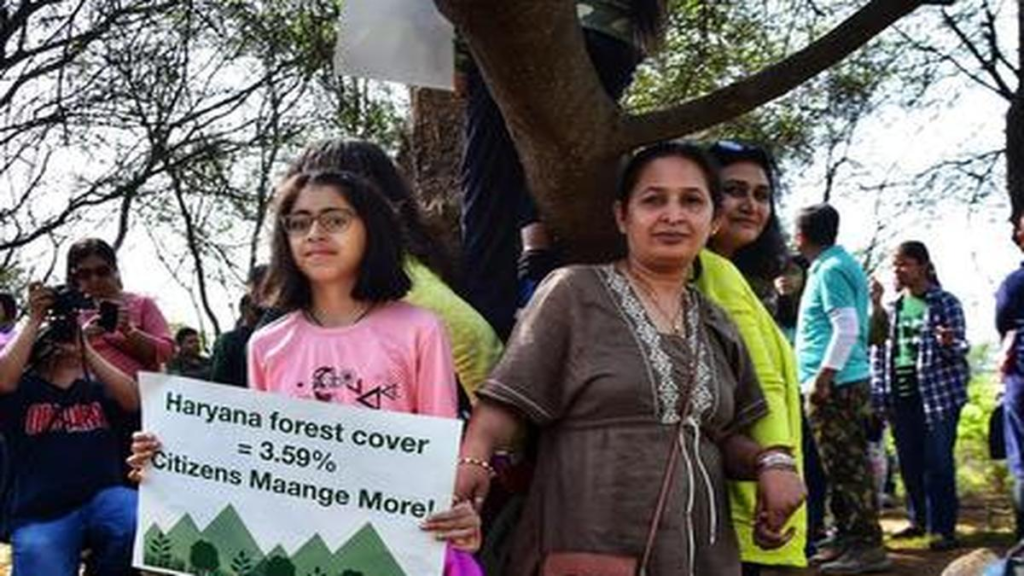
Aravalli mining rules India are being watched closely because they could set a precedent for other fragile ecosystems.
If environmental protection becomes dependent on narrow technical definitions, other landscapes may face similar reinterpretation. Protesters see this as a broader governance issue, not a local dispute.
The Aravallis are a test case for how India balances development with ecological limits.
Trust Deficit Between Policy and People
The persistence of protests highlights a deeper issue. There is a trust deficit between environmental governance and affected communities.
Assurances given in press statements do not always align with lived experience. Past instances of mining, legal or illegal, have left scars that shape public memory.
Without transparent data on enforcement and independent oversight, skepticism remains rational.
What Accountability Would Look Like
If the government seeks to defuse protests, accountability must move beyond reassurance.
Meaningful steps would include:
- Public disclosure of mining-permitted zones
- Independent environmental impact monitoring
- Transparent action against illegal mining networks
Without these, protests are unlikely to fade.
What Comes Next
With the Supreme Court review pending, the regulatory future of the Aravallis is still unfolding. Protests are likely to continue unless communities feel heard and protected.
This moment offers the government a chance to rebuild trust by prioritising transparency over technical defence.
The choice will shape not just the Aravallis, but India’s environmental credibility.
Conclusion
Aravalli mining rules India are no longer a purely administrative matter. They have become a public test of environmental accountability.
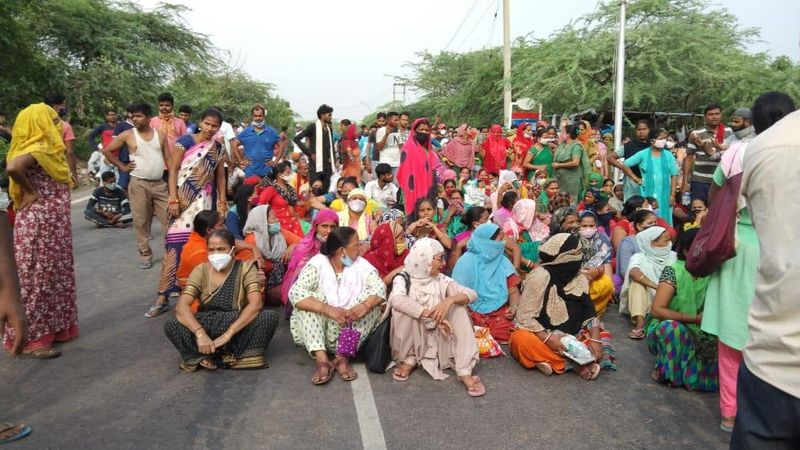
When people protest despite assurances, it signals a gap between policy intent and public confidence. The real measure of protection will not be how little land is mined, but how seriously ecological limits are respected.
Can the government turn this moment of dissent into an opportunity for genuine environmental stewardship?
Frequently Asked Questions
Why are there protests over Aravalli mining rules in India?
Protesters fear that new definitions could weaken long-term ecological protection.
What does the government say about mining limits?
It claims only 0.19 per cent of the area can be mined under strict norms.
Is the Supreme Court involved?
Yes. The court approved the recommendations, but a review is still pending.
What do protesters want?
Stronger protection, clearer enforcement, and greater transparency.
ALSO READ: Motaleb Sikder Bangladesh Political Violence Raises Alarm After Osman Hadi
ALSO READ: India New Zealand Free Trade Agreement Reshapes Trade, Jobs and Mobility