
Trump Says Venezuela Will Give Oil to U.S., Redrawing Energy and Power Lines
Introduction
Trump says Venezuela will give oil to U.S. in what could become one of the most consequential energy moves of his presidency. The announcement, involving up to 50 million barrels of crude, comes immediately after the dramatic removal of Venezuela’s longtime leader and signals a sharp turn in Washington’s approach to the country.
Beyond oil markets, the move raises fundamental questions about sovereignty, economic leverage, and how military power now intersects with global energy flows.
What the President Announced
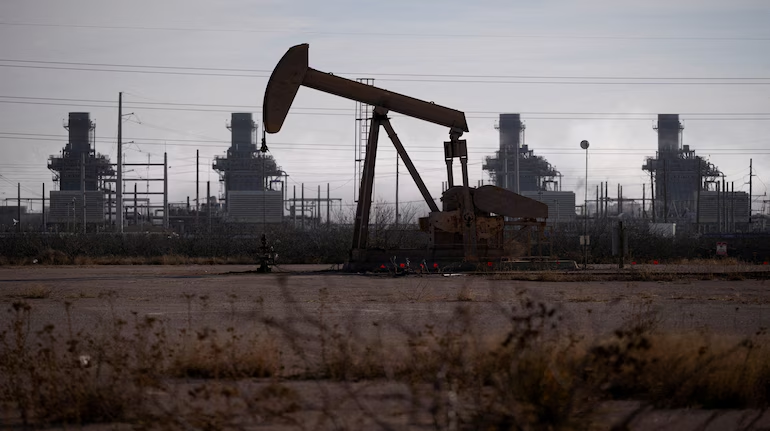
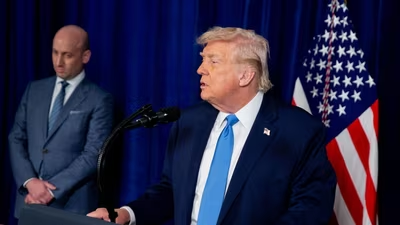
President Donald Trump stated that Venezuela’s interim authorities would transfer between 30 million and 50 million barrels of oil to the United States. He said the oil would be sold at market prices, with proceeds controlled by the U.S. government to ensure benefits for both countries.
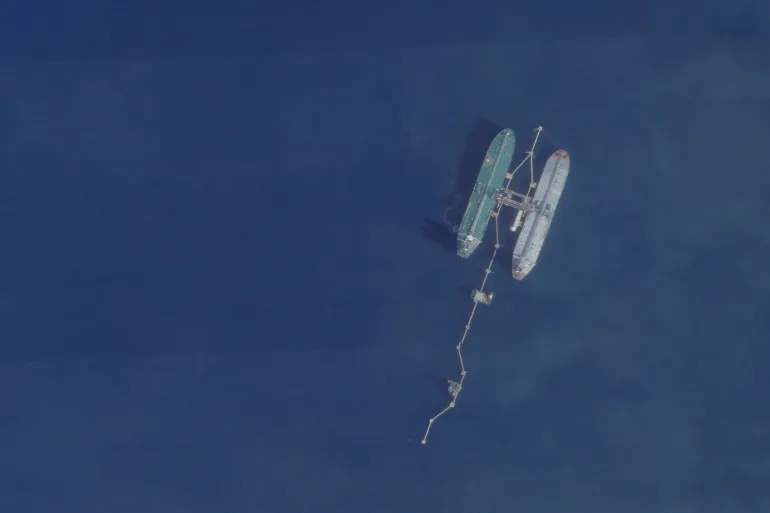
The president also said he had directed the energy department to execute the plan immediately, with oil loaded onto storage ships and delivered directly to U.S. ports. He described the crude as high quality and sanctioned.
The announcement marked a rare instance of a head of state publicly tying regime change to immediate resource transfer.
Why Timing Matters
The oil announcement came just days after U.S. forces captured Venezuela’s former president and his wife and transferred them to the United States to face criminal charges.
This sequencing matters. It links political transition directly with control over strategic resources, reinforcing the perception that oil remains central to Washington’s Venezuela strategy.
For critics, this raises concerns about precedent. For supporters, it reflects pragmatic use of leverage after years of stalled diplomacy.
Immediate Market Reaction
Global oil markets responded quickly. U.S. crude prices dipped after the announcement as traders factored in additional supply entering an already well-stocked market.
While the volume involved is not large enough to reshape global pricing on its own, it carries symbolic weight. It signals that Venezuelan oil — long constrained by sanctions and political isolation — is being redirected under new authority.
What This Means for U.S. Energy Strategy
For the United States, access to Venezuelan heavy crude offers both economic and strategic benefits. Many U.S. refineries are configured to process heavier grades of oil, making Venezuelan crude a natural fit.
The administration has also indicated that American oil companies could soon make significant investments to revive Venezuela’s aging production infrastructure. Such investments would mark a major reversal from years of disengagement.
This approach aligns with a broader effort to reassert U.S. influence over Western Hemisphere energy supplies.
China, Competition, and Oil Flows
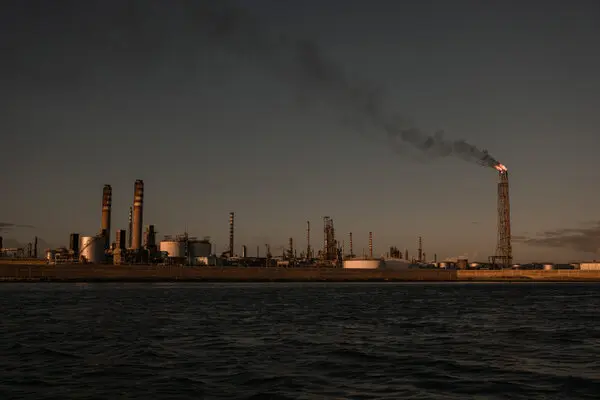
For years, Venezuela relied heavily on Asian buyers, particularly China. Redirecting oil shipments to the United States could force those buyers to seek alternatives elsewhere.
This has implications beyond Venezuela. It could deepen China’s energy ties with other sanctioned producers and subtly reshape global oil trade patterns.
The oil transfer therefore intersects with wider geopolitical competition, not just bilateral relations.
Questions of Control and Legitimacy
One of the most contested aspects of the announcement is control over revenue.
Trump said proceeds from the oil sales would be managed by the U.S. presidency to ensure proper use. Supporters argue this prevents corruption and mismanagement. Critics argue it blurs the line between assistance and appropriation.
For many observers, the central question is whether Venezuela’s interim authorities are acting freely or under overwhelming pressure.
Domestic Debate in the United States
Within the U.S., the move has sparked debate over executive authority and oversight.
Some lawmakers have questioned whether the president can unilaterally manage foreign oil revenues. Others argue that the action is justified as part of broader efforts to stabilise Venezuela and counter transnational crime.
The issue is likely to remain contentious as Congress seeks greater clarity.
Can Venezuela’s Oil Sector Recover Quickly?
Despite the headline numbers, reviving Venezuela’s oil industry will not be easy.
Years of underinvestment, infrastructure decay, and talent loss have severely limited production capacity. Even with foreign capital, recovery is expected to be gradual rather than immediate.
The current oil transfer may therefore be more symbolic than transformative in the short term.
Regional and Global Implications
The move has already drawn attention across Latin America, where concerns about intervention and sovereignty remain sensitive.
Globally, it reinforces the idea that energy security is increasingly tied to geopolitical muscle. As major powers compete for influence, resource access is once again becoming an explicit tool of statecraft.
Conclusion
When Trump says Venezuela will give oil to U.S., it signals more than a commodity deal. It reflects a worldview where power, energy, and politics are tightly interwoven.
Whether this approach stabilises Venezuela, benefits ordinary citizens, or reshapes global energy flows remains uncertain. What is clear is that oil has returned to the centre of geopolitical bargaining.
The longer-term test will be whether this strategy leads to sustainable recovery — or merely a new cycle of dependence.
Frequently Asked Questions
How much oil will Venezuela provide to the U.S.?
Between 30 million and 50 million barrels.
Will the oil be sold or given free?
It will be sold at market prices, according to the announcement.
Who controls the revenue?
The U.S. government says it will oversee the funds to ensure proper use.
Does this mean sanctions are lifted?
No broader sanctions policy change has been announced.
ALSO READ: Why Trump Wants Greenland and Why It Alarms Europe
ALSO READ: Israel Pushing Into Iran War Puts Trump’s America First Doctrine to the Test
Pingback: Shocking Incident: ICE shooting Minneapolis 5 Shocking Facts
Pingback: Venezuelan Oil to India: 3 Shocking Risks for Global Trade
Pingback: Supreme Court Intervenes: Mamata Banerjee ED raid controversy Centre-State Standoff Escalates