
Understanding the U.S. Midterm Elections: The Strategic Significance of United States Midterm Elections
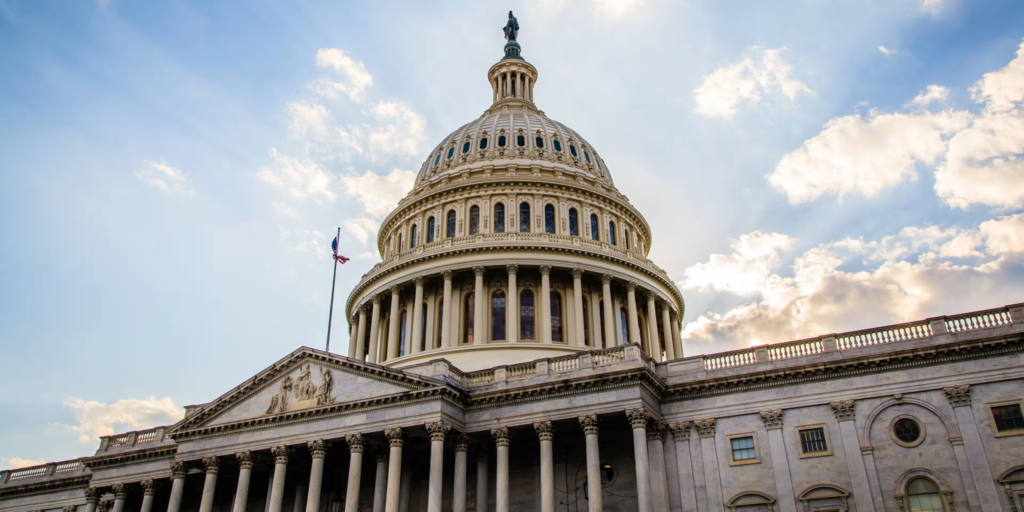
The 2026 Midterm Elections stand as the most critical pillar of American democracy outside of a presidential year. Occurring at the exact midpoint of a president’s term, these elections function as a definitive referendum on the direction of the country. In 2026, the results will decide which party holds the subpoena power and the legislative pen for the final two years of the administration.

What Are the U.S Midterm Elections?
The 2026 Midterm Elections are the federal elections held on November 3, 2026. While the presidency is not contested, the entire structure of the US Congress is at stake. This cycle determines the makeup of the House of Representatives and a significant portion of the Senate, directly impacting how laws are passed and how the federal budget is managed.
Because House members serve two-year terms, all 435 seats are up for election. The Senate, however, operates on a rotating six-year cycle. In 2026, 35 seats are up for grabs, meaning the balance of power in the upper chamber could shift with just a few key victories.
Federal Offices on the 2026 Ballot
| Legislative Body | Total Seats | Seats Contested in 2026 | Term Length |
| House of Representatives | 435 | 435 (All) | 2 Years |
| US Senate | 100 | 35 (Class II) | 6 Years |
| Non-Voting Delegates | 6 | 5 | 2 Years |
State Power: Governors and Legislatures
Beyond Washington, the 2026 Midterm Elections are vital for state-level governance. A massive 36 states will elect governors this year. Governors act as the chief executives of their states, wielding power over everything from local tax laws to state-wide emergency responses and election certification.
Voters will also decide thousands of seats in state legislatures. These bodies are responsible for redistricting and passing laws that affect daily life, such as education funding and transportation infrastructure.
State-Level Races in 2026
| Position | Number of Races | Key Responsibility |
| Governors | 36 States | State Executive Power |
| Attorneys General | 30 States | Legal Enforcement |
| Secretaries of State | 26 States | Election Administration |
| State Legislators | ~6,000 Seats | Local Lawmaking |
The “Check and Balance” Effect
Historically, the 2026 Midterm Elections serve as a check on the sitting president. Since the mid-20th century, the president’s party has almost always lost seats in the midterms. This happens as the “out-party” is typically more motivated to vote, while the “in-party” may face voter fatigue.
If the opposition party wins a majority in either chamber, the president’s ability to appoint judges or pass major spending bills can be effectively frozen. This makes the 2026 cycle a high-stakes chess match for control over the federal government’s trajectory.

Conclusion
The 2026 Midterm Elections are the primary way American citizens steer the government between presidential years. Whether it is the 435 House seats or the 36 governorships, the decisions made in November will ripple through the economy and social policy for years to come. Every vote in this midterm cycle acts as a building block for the next chapter of the nation.
Are you more focused on the national balance of power or the specific leadership in your state house this year?
When do the 2026 Midterm Elections happen?
The general election is scheduled for Tuesday, November 3, 2026.
Can the 2026 Midterm Elections remove a President?
No, the President is not on the ballot. However, a new Congress could initiate impeachment or block the President’s agenda.
How many Senate seats do Democrats need to win?
The specific number depends on the current makeup, but usually, a net gain of one or two seats can flip control of the chamber.
Is voter turnout higher in midterms or presidential years?
Historically, voter turnout is lower in midterms, which is why individual votes often have a larger relative impact.

Pingback: US Visa Pause - List of all 75 Countries - What are its shocking effects?