Analysis: Trilateral Talks Ukraine Russia US 2026
The diplomatic push to end the four-year war in Ukraine has reached a potentially decisive moment. On Friday, January 23, 2026, officials from Ukraine, Russia, and the United States will convene in Abu Dhabi for their first-ever trilateral meeting. This historic gathering follows a whirlwind 48 hours of high-stakes diplomacy that saw Ukrainian President Volodymyr Zelenskyy meet US President Donald Trump in Davos, while US envoys flew directly to the Kremlin to meet Russian President Vladimir Putin.
The Ukraine Russia US Trilateral Talks 2026 signal a shift from bilateral back-channeling to direct, synchronized negotiation. With a security guarantee document reportedly “essentially ready” and only one major issue left to resolve, the Abu Dhabi summit could be the final hurdle before a potential ceasefire agreement.
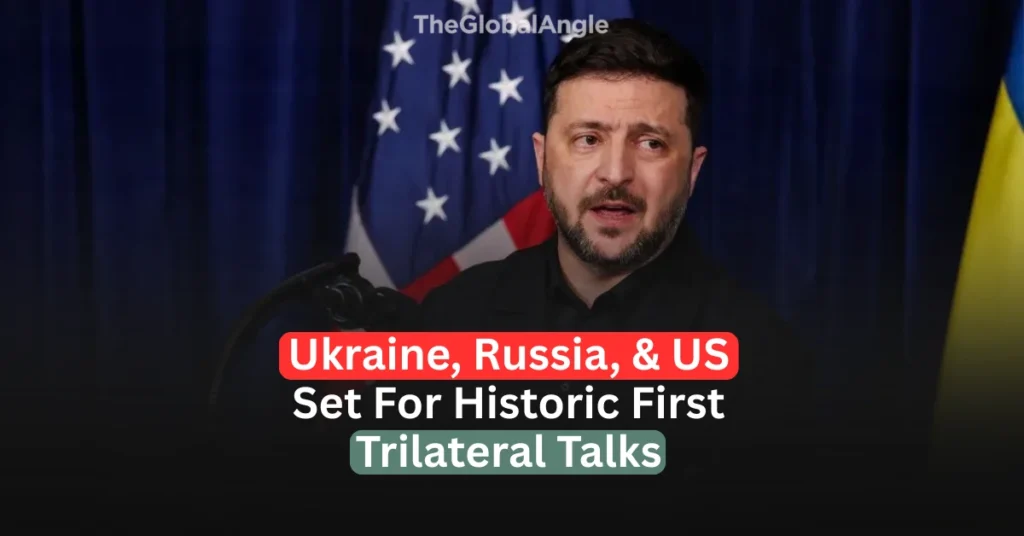
The Davos-Moscow-Abu Dhabi Diplomatic Circuit
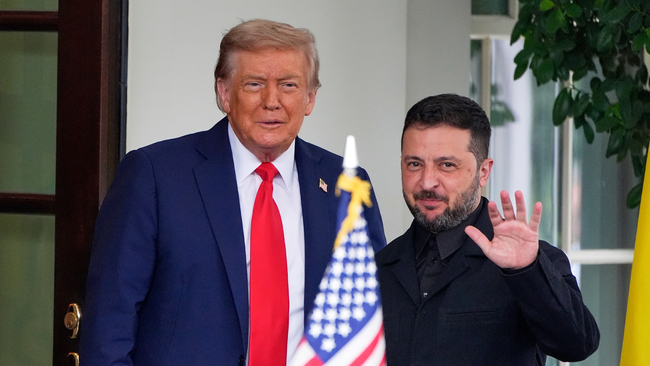
The path to Abu Dhabi began in the Swiss Alps. On Thursday, President Zelenskyy met with President Trump at the World Economic Forum in Davos. Zelenskyy described the meeting as “productive and substantive,” confirming that the terms of US security guarantees for Ukraine had been finalized. These guarantees are a critical prerequisite for Kyiv, ensuring long-term protection against future aggression as part of any peace deal.
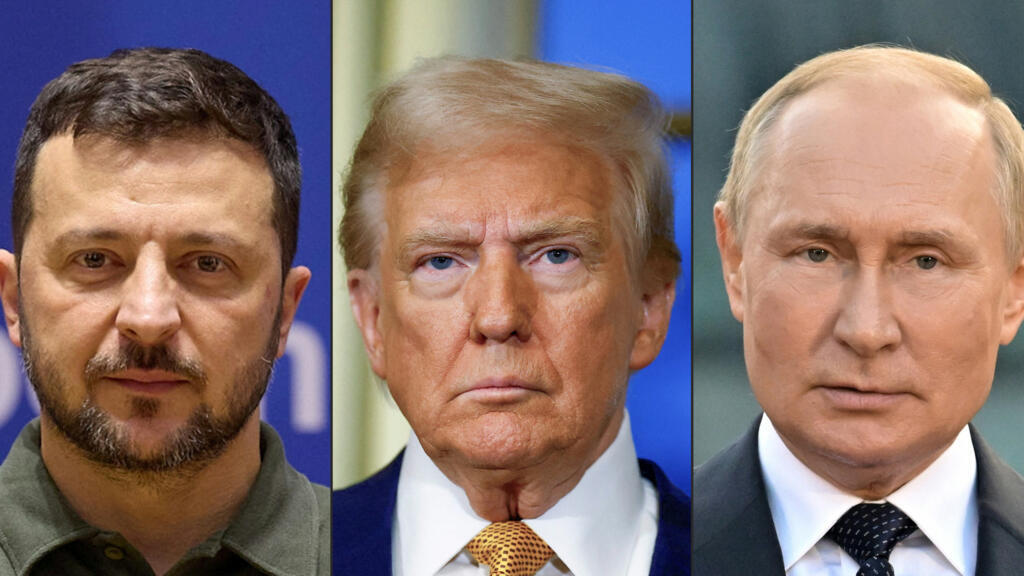
Simultaneously, a US delegation led by special envoy Steve Witkoff and Trump’s son-in-law Jared Kushner traveled to Moscow. In a rare late-night meeting at the Kremlin, they held four hours of talks with President Putin. Russian Presidential Aide Yuri Ushakov described these talks as “exceptionally substantive” and “trusting,” paving the way for the Russian delegation—led by General Igor Kostyukov, head of the GRU military intelligence agency—to fly to the UAE for the trilateral session.
Key Players in the Abu Dhabi Talks
| Nation | Key Representatives | Role/Focus |
| United States | Steve Witkoff, Jared Kushner | Mediation & Security Guarantees |
| Russia | Gen. Igor Kostyukov (GRU), Kirill Dmitriev | Military Terms & Sanctions Relief |
| Ukraine | Senior Negotiating Team (Unspecified) | Security & Territorial Integrity |
The “One Last Issue” and the Deal on the Table
According to US envoy Steve Witkoff, the negotiations have been whittled down to “one last issue.” While he did not publicly specify the sticking point, analysts believe it centers on the territorial status of the Donbas region and the control of the Zaporizhzhia nuclear power plant.
Zelenskyy has previously indicated that while 90% of the framework is agreed upon, the “thorny issues” involve Russian demands for Kyiv to cede territory in eastern Ukraine that Moscow claims but does not fully control. The Abu Dhabi talks are expected to focus on a “security working group” to resolve these military lines, while a separate “economic working group” discusses post-war recovery and the lifting of sanctions.
The Proposed Peace Framework Components
| Component | Status | Details |
| Security Guarantees | Finalized | US commitment to defend Ukraine (Non-NATO) |
| Economic Recovery | Near Agreement | “Prosperity Framework” for reconstruction |
| Territorial Lines | Disputed | The “One Last Issue” (Donbas/Zaporizhzhia) |
| POW Exchange | Ongoing | Continuous swaps as confidence builders |
Context: War Continues Amidst Peace Talk
Despite the diplomatic breakthrough, the war on the ground remains brutal. Just hours before the announcement of the Ukraine Russia US Trilateral Talks 2026, Russian drone attacks left thousands of residents in Kyiv without heat in sub-zero temperatures. In Odesa, a strike on a residential building killed a teenager, serving as a stark reminder of the stakes involved.
Zelenskyy used his platform in Davos to criticize European allies for their hesitation in seizing frozen Russian assets, arguing that the aggressor should pay for the destruction. He warned that while talks are positive, “peace will not happen tomorrow” without continued military pressure on Moscow.
Future Outlook: A Deal or a Stalemate?
The Abu Dhabi summit represents the most serious attempt yet to end the conflict. The presence of high-ranking military officials like Gen. Kostyukov suggests that the talks have moved beyond political rhetoric to the technical details of a ceasefire. If the trilateral group can solve the “territorial puzzle,” the world could see a formal peace treaty signed within weeks.
However, if Russia refuses to compromise on the occupation of Zaporizhzhia or demands total demilitarization of Ukraine, the talks could collapse, leading to a renewed and potentially more violent phase of the war in the spring of 2026.
FAQ
When are the Ukraine Russia US Trilateral Talks taking place?
The meetings are scheduled for Friday, January 23, and Saturday, January 24, 2026, in Abu Dhabi, UAE.
Who is representing Russia in these talks?
The Russian delegation is led by General Igor Kostyukov, the director of the GRU military intelligence agency.
What is the “one last issue” delaying the peace deal?
While not officially confirmed, it is widely believed to be the final territorial boundaries in eastern Ukraine and the control of the Zaporizhzhia nuclear plant.
Did Zelenskyy meet Putin directly?
No, Zelenskyy met with President Trump in Davos, while US envoys met Putin in Moscow. The trilateral talks involve delegation officials, not the presidents themselves.
ALSO READ: How Trump’s ‘Board of Peace’ aims to reshape international diplomacy beyond Gaza