Analysis: Trilateral Peace Talks Abu Dhabi 2026 and the Donbas Deadlock
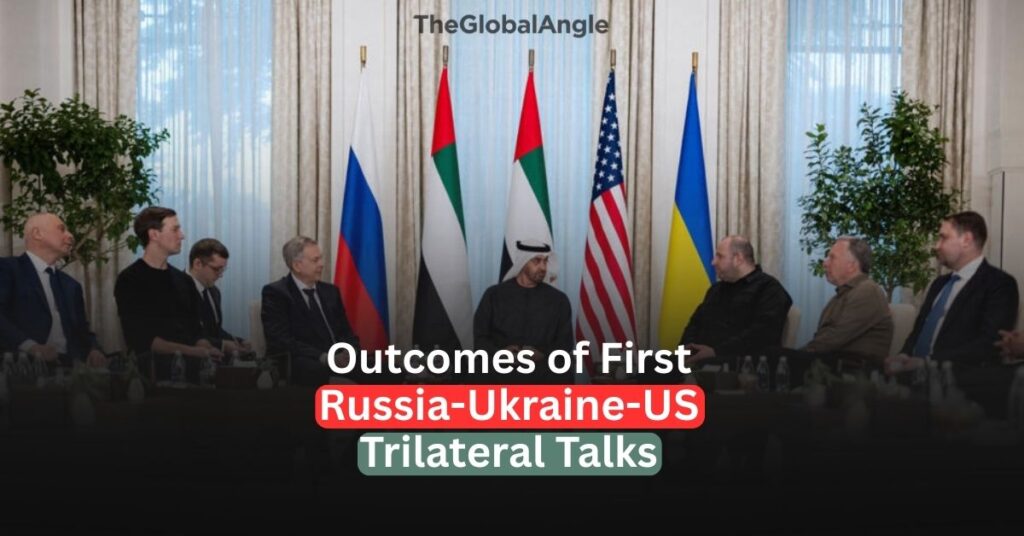
The international diplomatic machinery shifted into high gear this Friday as Ukrainian, Russian, and United States officials convened in the United Arab Emirates for the Trilateral Peace Talks Abu Dhabi 2026. These high-stakes negotiations, unfolding on January 23 and 24, represent the most direct attempt yet to broker an end to the nearly four-year war. However, the atmosphere inside the negotiation room remains tense, with no immediate signs of compromise on the critical issue of territorial control, specifically regarding the eastern industrial heartland of Donbas.
The backdrop to these talks is grim. As diplomats debate lines on a map in the warmth of Abu Dhabi, Ukraine is in the grip of its worst energy crisis since the invasion began in 2022. Intensified Russian airstrikes have plunged major cities, including Kyiv, into darkness and freezing temperatures, creating a “humanitarian catastrophe” that appears timed to exert maximum leverage on the Ukrainian delegation.
The Territorial Impasse: The Battle for Donetsk
The central obstacle at the Trilateral Peace Talks Abu Dhabi 2026 is the status of the Donetsk region. Despite four years of grinding, attritional warfare, Ukraine still holds approximately 20% of the Donetsk oblast—roughly 5,000 square kilometers (1,900 sq miles). Moscow has made it clear that a ceasefire is conditional on Kyiv ceding this entire territory.
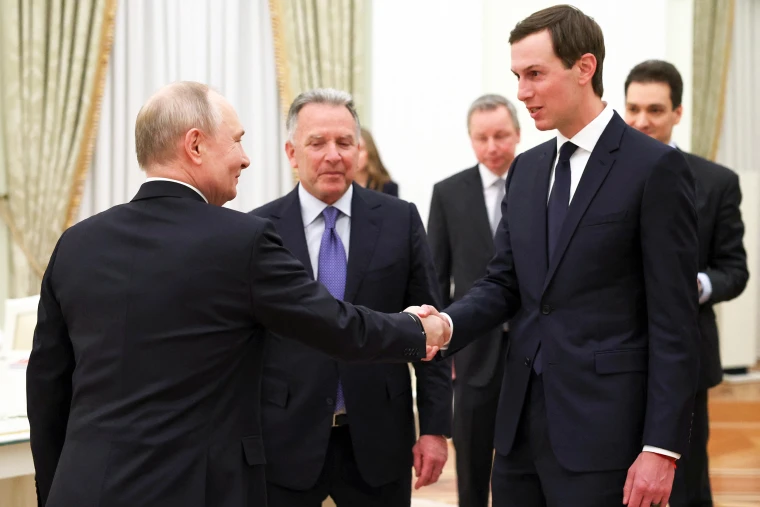
Kremlin spokesman Dmitry Peskov emphasized on Friday that Russia’s demand for full control of Donbas is “a very important condition.” Sources close to the Kremlin have referenced an “Anchorage formula”—a framework allegedly agreed upon between U.S. President Donald Trump and Russian President Vladimir Putin during a summit in Alaska last August. This formula reportedly proposes handing Russia full control of Donbas while freezing the front lines in Ukraine’s south and east.
For Ukrainian President Volodymyr Zelenskyy, this demand is politically toxic. Polls indicate that the Ukrainian public has little appetite for territorial concessions, and withdrawing from land that the Russian military failed to capture by force would be viewed as a capitulation. Rustem Umerov, head of the Ukrainian delegation, stated that the talks focused on the “further logic of the negotiation process,” signaling that a breakthrough on the map remains elusive.
The “Anchorage Formula” vs. Kyiv’s Stance
| Component | Russian Demand (“Anchorage Formula”) | Ukrainian Position |
| Donetsk Region | Full control (including the 20% held by Kyiv) | Refusal to cede unconquered land |
| Front Lines | Frozen status in South/East | Withdrawal of Russian troops |
| Security | Neutral status for Ukraine | Robust Western security guarantees |
| Assets | Use frozen funds for occupied areas | Reparations paid to Ukraine |
Energy Warfare as Diplomatic Leverage
The timing of the Russian escalation against Ukraine’s energy infrastructure is not coincidental. Kyiv’s energy minister described Thursday as the power grid’s “most difficult day” since November 2022. Maxim Timchenko, head of Ukraine’s largest private power producer, warned that the country is nearing a humanitarian collapse. By dismantling the heating and power grid as temperatures plunge, Moscow is effectively negotiating through force, raising the cost of the war for Ukraine with every passing hour of the summit.
The US Role: Security Guarantees Ready?
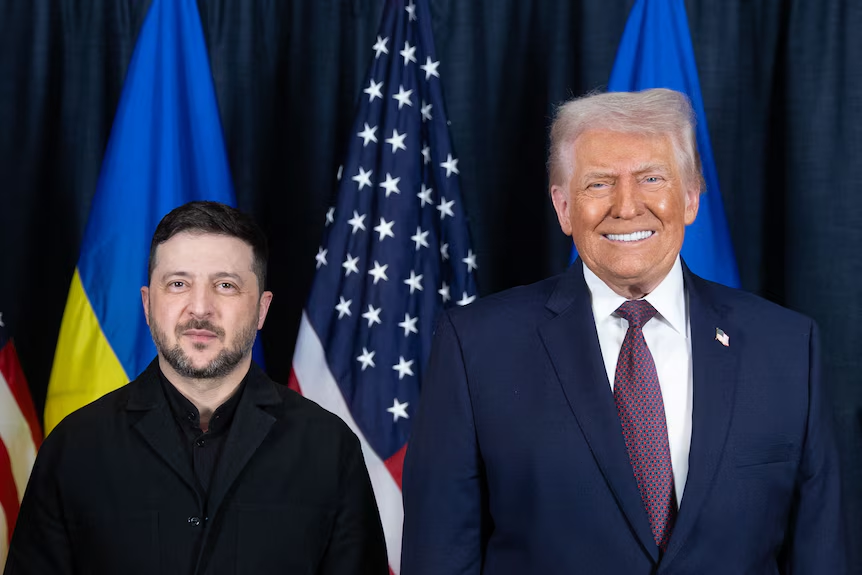
The Trilateral Peace Talks Abu Dhabi 2026 follow immediately after a pivotal meeting between President Zelenskyy and U.S. President Donald Trump at the World Economic Forum in Davos. Zelenskyy emerged from that meeting stating that a deal on U.S. security guarantees for Ukraine is essentially ready, waiting only for a date and venue for signature.
These guarantees are the linchpin of any potential deal for Kyiv. Without binding assurances from Western allies that prevent a future Russian invasion, Ukraine views any ceasefire as merely a pause for Moscow to rearm. The U.S. pressure on Kyiv to reach a deal is mounting, but the administration is simultaneously managing the delicate balance of pushing for peace without appearing to force a surrender of Ukraine’s sovereignty.
Future Outlook: The Asset Dispute and Final Day
As the talks move into their final scheduled day on Saturday, a new economic front has opened. Russia has proposed using $5 billion of its assets frozen in the United States to fund the recovery of Russian-occupied territories. Zelenskyy dismissed this idea as “nonsense,” maintaining the demand that Russia must pay reparations.
The outcome of the Trilateral Peace Talks Abu Dhabi 2026 will likely hinge on whether the U.S. can bridge the gap between Moscow’s maximalist territorial demands and Kyiv’s refusal to cede the remaining pockets of free Donbas. If the talks conclude on Saturday without a framework, the war is poised to enter a fifth year, likely characterized by even more brutal attacks on Ukraine’s civilian infrastructure.
FAQ
What are the Trilateral Peace Talks Abu Dhabi 2026?
They are high-level negotiations between officials from Ukraine, Russia, and the United States held on January 23-24, 2026, aimed at ending the war in Ukraine.
What is the main disagreement in the talks?
The primary stumbling block is territorial control. Russia demands Ukraine surrender the remaining 20% of the Donetsk region it still controls, which Ukraine refuses to do.
What is the “Anchorage formula”?
It is a reported framework favored by Moscow, allegedly discussed between Trump and Putin, which would grant Russia full control of the Donbas region and freeze other front lines.
How is the energy crisis affecting the negotiations?
Russia has intensified airstrikes on Ukraine’s power grid during the talks, causing massive blackouts and heating failures to pressure Kyiv into making concessions.
ALSO READ: Historic First Trilateral Talks Ukraine Russia US 2026 is set in Abu Dhabi to end the war.
ALSO READ: How Trump’s ‘Board of Peace’ aims to reshape international diplomacy beyond Gaza