Budget 2026 Expectations: Positives, Negatives, and the Strategic Roadmap
As the countdown begins for the Union Budget presentation on Sunday, February 1, 2026, the financial corridors of New Delhi are buzzing with speculation. Finance Minister Nirmala Sitharaman is poised to present a budget that must navigate a complex global landscape defined by geopolitical instability and aggressive protectionism, specifically the 50% tariffs imposed by the United States under President Donald Trump. The Budget 2026 Expectations are therefore centered on a dual strategy: strengthening domestic resilience while maintaining fiscal discipline.
Industry leaders and economists emphasize that this budget cannot merely be an accounting exercise. It must be a policy intervention to shield the Indian economy from the “Trump Shock” while addressing internal structural bottlenecks in sectors like real estate, automotive, and MSMEs. The focus is expected to shift towards the “quality of growth,” prioritizing job creation and wage stability over simple headline GDP figures.
The Auto Sector: Pushing for a Green Revolution
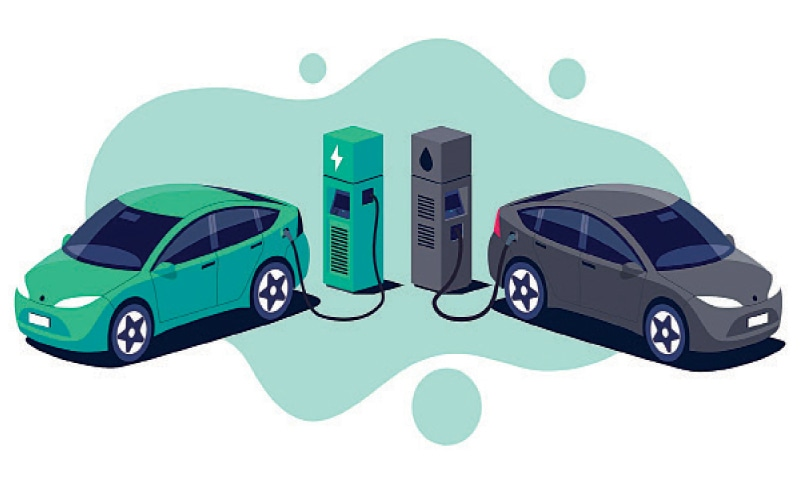
The electric vehicle (EV) industry is at the forefront of the Budget 2026 Expectations. Stakeholders argue that the current momentum needs a legislative steroid shot to transition from early adoption to mass market penetration. The primary demand is the recalibration of the Production-Linked Incentive (PLI) scheme. Experts note that stringent eligibility criteria have left many domestic players out of the safety net, hampering the “Make in India” ambition.
Simultaneously, the cost of ownership remains a barrier. There is a strong industry consensus urging the government to slash the GST on EV charging services from the current 18% to 5%. Such a move would directly reduce the operational cost for consumers. Furthermore, incentivizing the conversion of heavy commercial vehicles to electric is seen as a critical step to combat the hazardous pollution levels plaguing metros like Delhi and Mumbai, where AQI levels frequently breach 400.
Proposed Reforms for the EV Ecosystem
| Area of Concern | Current Policy Status | Budget 2026 Expectation |
| Charging Services | 18% GST Rate | Reduction to 5% GST |
| PLI Scheme | High Entry Barriers | Eased Eligibility Norms |
| Heavy Transport | Limited Support | Incentives for E-Trucks |
| R&D | Standard Deduction | Weighted Tax Deduction |
Real Estate and Infrastructure: The Urban Renewal
The real estate sector is clamoring for a reality check in the upcoming budget. Developers, represented by CREDAI, argue that the current definition of “affordable housing”—capped at ₹45 lakh—is disconnected from the ground reality of land prices in 2026. Revising these limits is considered essential to unlock tax benefits for both builders and buyers, potentially reviving the stagnating residential market in Tier-1 cities.
Parallel to this is the demand for a “National Rental Housing Mission.” With rapid urbanization, a formalized rental market is necessary to support the migrant workforce. For the salaried class, the hope lies in raising the home loan interest deduction limit from ₹2 lakh to ₹5 lakh, a move that would significantly increase disposable income.
ALSO READ: Which Maharashtra Municipal Corporation topped the 2025-26 budget rankings?
The Balance Sheet: Expected Positives vs. Negatives
Analyzing the data and industry submissions reveals a clear dichotomy in the Budget 2026 Expectations. The government has clear opportunities to stimulate growth, but it is constrained by fiscal realities.
Expected Positives
- MSME Credit Unlock: The introduction of digital platforms utilizing GST and ITR data could finally solve the “missing middle” credit crisis, offering collateral-free loans up to ₹50 lakh.
- Domestic Manufacturing Shield: Enhanced capital expenditure in defense—particularly following “Operation Sindoor”—will likely insulate domestic manufacturers from global supply chain disruptions.
- Healthcare Boost: A proposed ₹5,000 crore PLI scheme for medical devices and duty cuts on APIs could strengthen India’s pharmaceutical sovereignty and expand Ayushman Bharat to gig workers.
Expected Negatives & Risks
- State Fiscal Deficits: The combined fiscal shortfall of states has widened to 3.3% of GDP in FY25. This rising debt burden could limit the Centre’s ability to pass on more grants or interest-free loans.
- Tariff Impact: Despite internal measures, the 50% US tariffs may still hurt export-oriented sectors like gems & jewellery if the budget does not offer specific countervailing duties or support to fix the dore-vs-bullion duty gap.
- Import Duty Imbalances: Domestic precious metal refiners face a disadvantage due to duty gaps in Free Trade Agreements. If unaddressed, this could hurt local value addition.
Future Outlook: The Fiscal Glide Path
The ultimate test for Finance Minister Sitharaman will be adhering to the fiscal glide path while accommodating these demands. The widening fiscal deficit at the state level serves as a warning sign that unbridled spending is not an option.
The Budget 2026 Expectations suggest a shift towards “Cyber-Physical Security” as a capital expenditure priority. Recognizing cybersecurity for critical national infrastructure (power grids, oil networks) as a national asset rather than an IT expense marks a maturity in policy planning. If the government can execute these structural reforms while keeping the deficit in check, it may successfully navigate the turbulent economic waters of 2026.
FAQ
What are the key tax expectations for homebuyers in Budget 2026?
Homebuyers are expecting the government to increase the tax deduction limit on home loan interest from ₹2 lakh to ₹5 lakh to account for inflation and rising property costs.
How does the budget plan to help the EV sector?
The industry expects a reduction in GST on charging services to 5% and a modification of the PLI scheme to include more domestic manufacturers.
What is the “missing middle” problem for MSMEs?
It refers to the difficulty mid-sized enterprises face in accessing credit. The budget is expected to address this through digital lending platforms based on GST data.
Will the budget address the US tariff hike?
Yes, the budget is expected to focus on boosting domestic consumption and strengthening local manufacturing to insulate the economy from the 50% US tariffs.
ALSO READ: A new oil era? The US moves to control Venezuelan crude as India looks for a high-stakes escape from Russian oil pressure.