Analysis: India EU Free Trade Deal 2026: 6 Major Outcomes
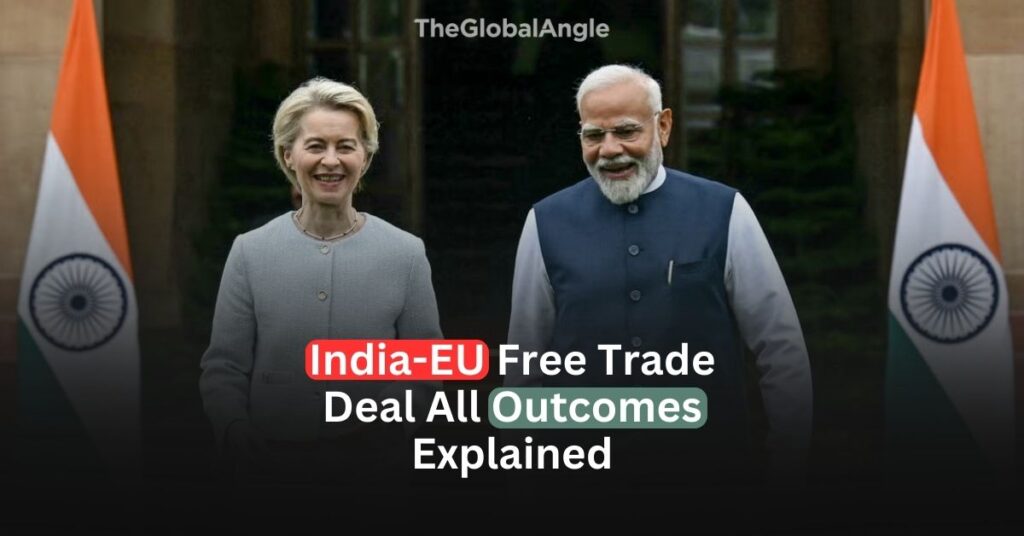
The geopolitical and economic landscape of Eurasia is set for a definitive shift this week. Following a pivotal meeting between Union Commerce Minister Piyush Goyal and EU Trade Commissioner Maroš Šefčovič on Sunday, both sides have confirmed that the India EU Free Trade Deal 2026 is in the “final stretch.” The formal announcement of the conclusion of negotiations is expected at the India-EU Summit in New Delhi on January 27, 2026.
This agreement, described by Minister Goyal as the “mother of all deals,” concludes nearly two decades of complex negotiations. It arrives at a critical juncture, with global trade facing headwinds from new US tariffs and supply chain fractures. The deal promises to integrate the Indian economy with the European Single Market, offering significant gains in automobiles, services, and textiles while establishing a new strategic defence partnership.
1. The Automotive Breakthrough: Tariffs Slashed
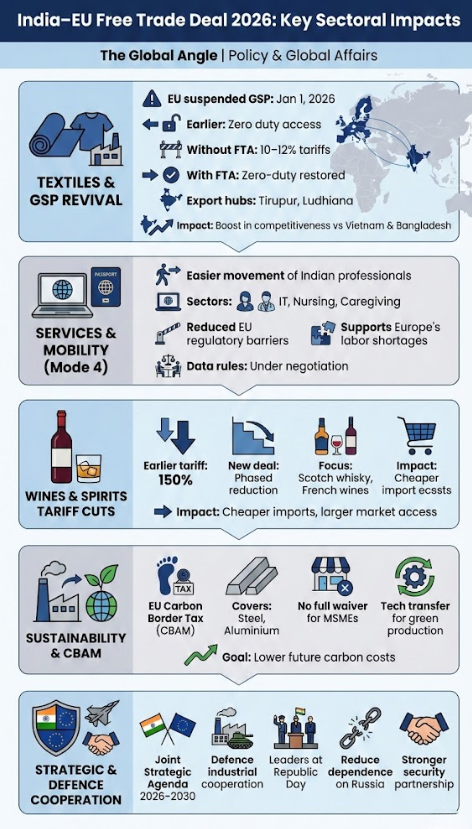
The most significant concession in the India EU Free Trade Deal 2026 is the restructuring of India’s automotive import duties. For decades, India has protected its domestic car market with tariffs ranging from 70% to 110%. Under the new pact, New Delhi has agreed to slash these duties to 40% for specific categories of European vehicles.
- Target Segment: This reduction specifically targets luxury Internal Combustion Engine (ICE) cars with an import price exceeding €15,000 (approx. ₹13.5 Lakh).
- The Quota: Sources indicate that this benefit will be capped by a quota system, allowing roughly 200,000 vehicles annually at the reduced rate. This volume is significant enough to disrupt the premium segment without flooding the mass market.
- The Glide Path: The agreement also outlines a roadmap to further reduce these tariffs to 10% over the coming years, opening the door for European giants like Volkswagen, BMW, and Mercedes-Benz.
Who Benefits? (The “Test Market” Strategy)
This deal is a game-changer for enthusiasts and European manufacturers. Lower duties allow brands to bring in global niche models to “test” the Indian market before committing to local manufacturing.
- Performance Models: Expect steep price drops for high-performance imports like the BMW M2, Mercedes-AMG series, and Audi RS models.
- Niche Favorites: It opens the door for models previously deemed “too expensive” for India, such as the Volkswagen Golf GTI, Skoda Octavia RS, and the Land Rover Defender (which is manufactured in Slovakia, an EU member state).
- Supercars: Ultra-luxury brands like Ferrari, Lamborghini, and Porsche (ICE models) will also see their landed costs decrease significantly.
The “Protectionist Pause” for EVs
However, the deal includes a critical safeguard for India’s homegrown giants. Electric Vehicles (EVs) have been deliberately excluded from these immediate tariff cuts.
Future Parity: Tariff liberalization for EVs will only begin after this five-year window, giving domestic players time to mature their supply chains and technology to global standards.
The 5-Year Shield: The deal mandates a five-year “protectionist pause” for EVs. This is designed to shield Tata Motors and Mahindra & Mahindra—who have invested billions in local EV technology—from a sudden influx of subsidized European EVs.
ALSO READ: India to slash car tariffs to 40% in historic pact with EU
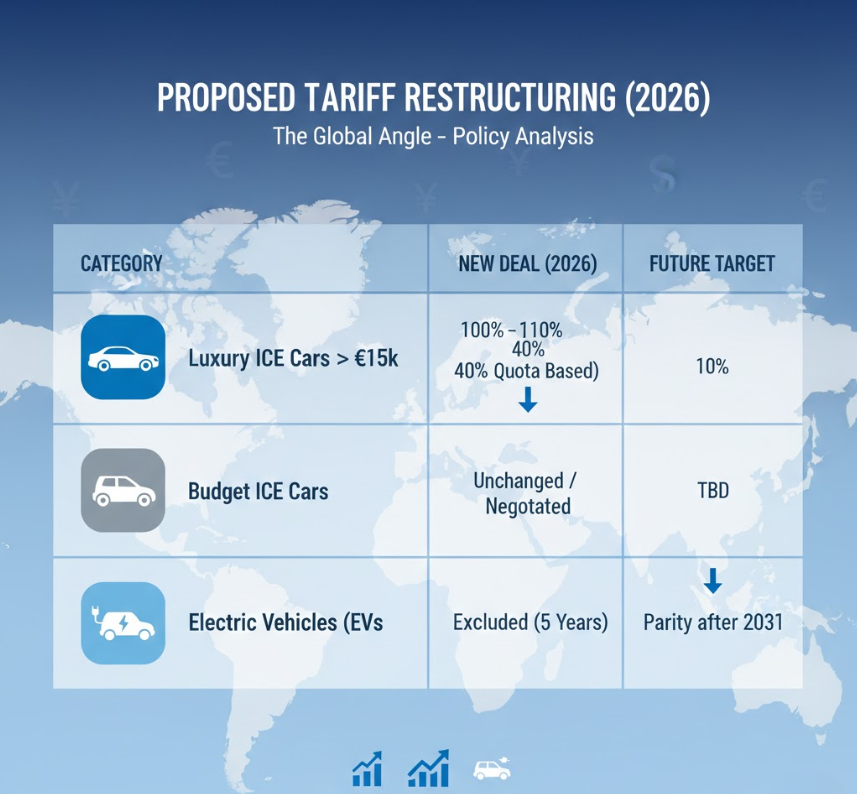
Auto Tariff Restructuring Structure
| Vehicle Category | Current Import Duty | New Deal Duty (2026) | Future Target |
| Luxury ICE Cars (>€15k) | 100% – 110% | 40% (Quota Based) | 10% |
| Electric Vehicles (EVs) | 70% – 100% | Excluded (5 Years) | Parity after 2031 |
2. Textiles and the GSP Solution: A Critical Rescue Mission
For India’s textile champions in Tirupur, Ludhiana, and Surat, this deal is not just an opportunity; it is a rescue mission.
- The Crisis (Jan 1, 2026): On New Year’s Day, the EU suspended India’s benefits under the Generalized Scheme of Preferences (GSP). This was a massive blow, as 87% of Indian exports to the EU—including apparel and made-ups—lost their preferential low-tariff access. Suddenly, Indian exporters faced standard duties of 12%, making them significantly more expensive than competitors from Bangladesh (0% duty) and Vietnam (preferential rates).
- The FTA Fix: The Free Trade Agreement acts as an immediate corrective mechanism. By slashing these tariffs back to 0%, the deal levels the playing field instantly. Industry estimates suggest this could boost India’s textile exports to the EU by $3–5 billion in the first two years alone, restoring margins that were wiped out by the GSP suspension.
3. Services and Mobility: Beyond Just “Visas”
While Europe gets access to India’s 1.4 billion consumers, India gets access to Europe’s job market—but with a structured, high-skill focus.
- The “Legal Gateway”: The “Mode 4” negotiations have reportedly birthed a pilot project: a “European Legal Gateway Office”. This will streamline work permits for Indian professionals in specific high-demand sectors like ICT (Information and Communications Technology), nursing, and healthcare.
- Mutual Recognition: A key victory for India is the push for Mutual Recognition Agreements (MRAs) on professional qualifications. This means a nursing degree or a chartered accountancy certification from India could be recognized in EU member states without the need for redundant requalification exams, removing a massive non-tariff barrier.
4. Wines and Spirits: The “Premium” Compromise
The reduction of the notorious 150% tariff on alcohol is a headline grabber, but the “fine print” protects domestic interests.
- The Minimum Import Price (MIP): Much like the auto sector deal, the tariff cuts are expected to be linked to a Minimum Import Price. This ensures that cheap European table wines or mass-market spirits do not flood the Indian market and hurt local farmers or manufacturers.
- Target Demographic: The duty cuts will primarily benefit premium Scotch whisky, French Cognac, and high-end wines. This allows European distillers to tap into India’s booming upper-middle class—the largest whiskey-drinking demographic in the world—while keeping India’s domestic “IMFL” (Indian Made Foreign Liquor) industry safe from low-cost competition.
5. The Sustainability Challenge: Tech over Taxes
The EU’s Carbon Border Adjustment Mechanism (CBAM)—effectively a carbon tax on steel, aluminum, and cement—was a potential deal-breaker. India wanted a waiver; Europe said no.
- The Middle Path: Instead of a waiver, the partnership focuses on mitigation. The deal includes a “Green Technology Transfer” framework. European companies will share proprietary green manufacturing technologies (like hydrogen-based steel production) with Indian MSMEs.
- The Goal: This allows Indian exporters to lower their carbon footprint, thereby paying significantly lower carbon taxes at the EU border. It turns a punitive tax barrier into a catalyst for modernizing India’s heavy industry.
6. Strategic and Defence Cooperation: A New Security Architecture
The “Joint Strategic Agenda 2026-2030” elevates this relationship from transactional trade to a deep security alliance.
The 5 Pillars: The new agenda rests on five pillars: Security & Defence, Technology & Innovation, Prosperity, Connectivity, and People-to-People ties. This ensures that even if trade hits a snag, the strategic momentum—driven by shared concerns over regional stability—keeps the partnership moving forward.
Diversification: For India, this is about reducing reliance on Russian military hardware. The agenda emphasizes defence industrial collaboration, meaning we could soon see European defence majors co-developing platforms (drones, naval systems) in India under the “Make in India” banner.
Future Outlook: Ratification Timeline
While the “conclusion of negotiations” will be announced on January 27, the deal is not yet law. The text must undergo legal scrubbing and, crucially, ratification by the European Parliament. This process can take over a year. However, the political will demonstrated by the leadership in New Delhi and Brussels suggests that both sides are committed to fast-tracking this economic integration.
FAQ
When will the India EU Free Trade Deal 2026 be signed?
The conclusion of negotiations is expected to be announced on January 27, 2026. The formal signing and ratification will follow after legal review.
How much will car import duties decrease?
Duties on European luxury cars (>€15,000) are set to drop from 110% to 40% immediately, with a future target of 10%.
Are Electric Vehicles included in the tariff cuts?
No, Electric Vehicles (EVs) are excluded from tariff reductions for the first five years to protect domestic Indian manufacturers.
What does the deal mean for Indian professionals?
The deal includes a mobility partnership facilitating easier visa norms and movement for skilled professionals in IT, healthcare, and other service sectors.
Will European wines and spirits become cheaper in India?
Yes, the agreement addresses the high tariffs (currently up to 150%) on European alcohol. Duties on premium Scotch whisky and French wines are set to be significantly reduced, making them more affordable for Indian consumers.
How does the deal help the Indian textile industry?
The FTA acts as a crucial lifeline by eliminating tariffs on Indian textile exports to the EU. This restores the competitive edge Indian exporters lost when the EU suspended the Generalized Scheme of Preferences (GSP) benefits in early 2026.
What is the “Mother of All Deals”?
This is a term used by Indian officials, including Commerce Minister Piyush Goyal, to describe the magnitude and ambition of this FTA. It highlights the sheer size of the two economies involved and the comprehensive nature of the pact, covering everything from goods and services to digital trade and defence.
How does the deal address the EU’s Carbon Tax (CBAM)?
While the EU did not grant a full waiver for its Carbon Border Adjustment Mechanism (CBAM), the deal includes a supportive framework. This allows for technology transfer to help Indian MSMEs adopt greener manufacturing processes, mitigating the impact of the carbon tax on steel and aluminium exports.
Who are the key leaders finalizing this deal?
The deal is being finalized under the guidance of Indian Prime Minister Narendra Modi, European Commission President Ursula von der Leyen, and European Council President António Costa, with Commerce Minister Piyush Goyal and EU Trade Commissioner Maroš Šefčovič leading the negotiations.
ALSO READ: Inside the high-stakes Trilateral Peace Talks in Abu Dhabi as Ukraine faces a winter crisis
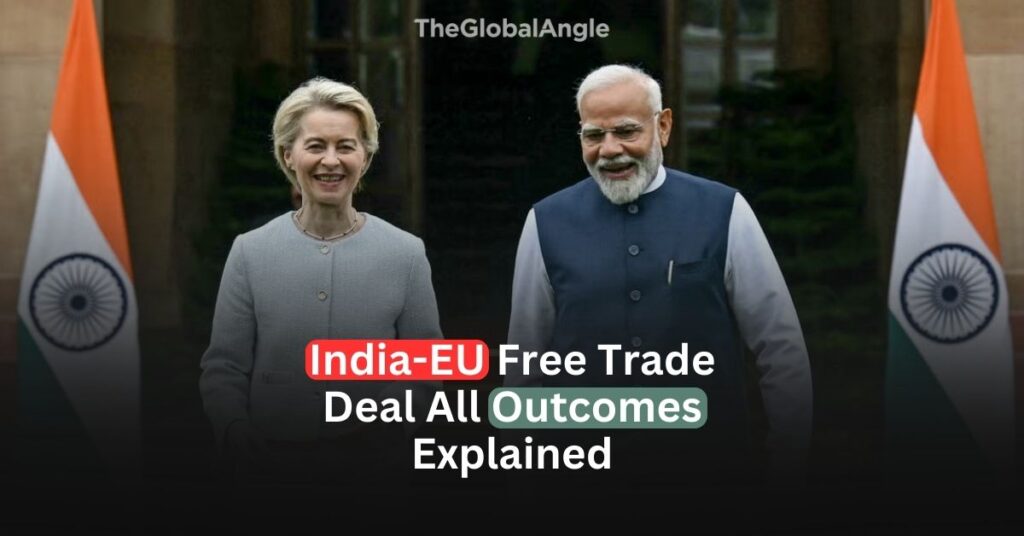
Analysis of the India-EU Free Trade Deal 2026 outcomes and tariff cuts
Analysis: India EU Free Trade Deal 2026: 6 Major Outcomes The geopolitical and economic landscape…
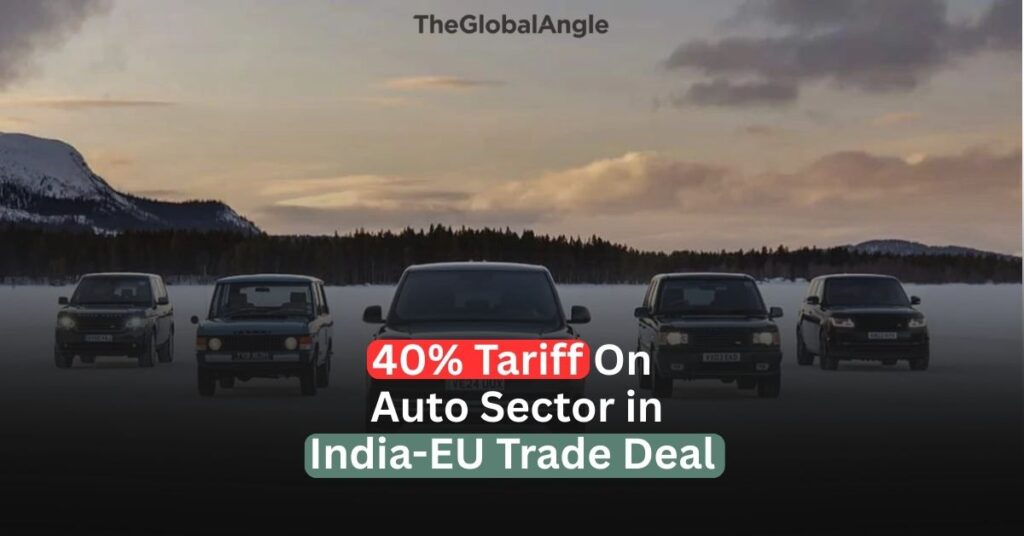
India to slash car tariffs to 40% in historic pact with EU.
India EU Trade Deal 2026: Car Tariffs Slashed to 40% The geopolitical and economic landscape…
Budget 2026: Will FM Sitharaman deliver a shield against Trump’s tariffs and a boost for the middle class?
Budget 2026 Expectations: Positives, Negatives, and the Strategic Roadmap As the countdown begins for the…
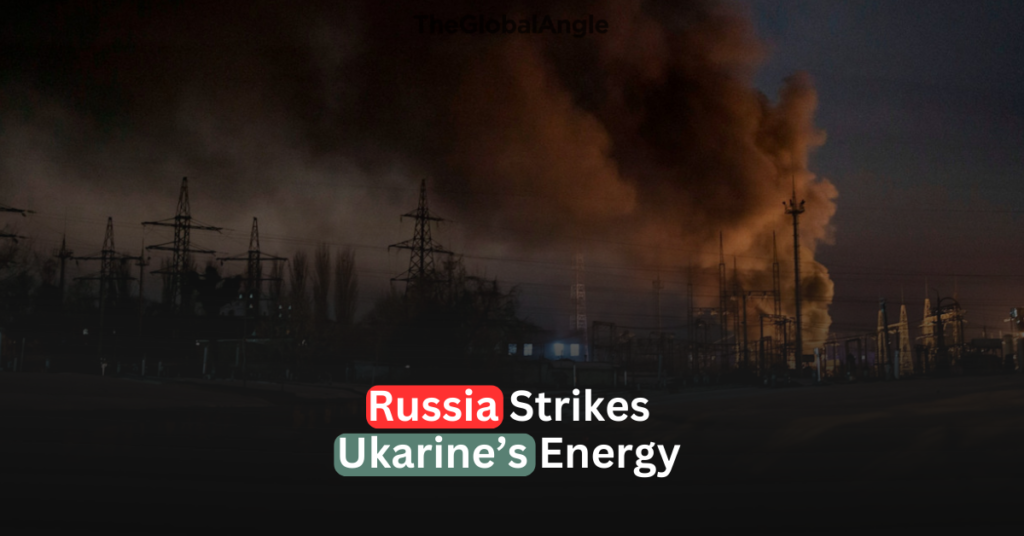
Russia plunges 1.2 million into darkness as Abu Dhabi peace talks hit a wall
Analysis: Russia Ukraine Energy Attack Jan 2026 & Peace Talk Impact The geopolitical paradox of…
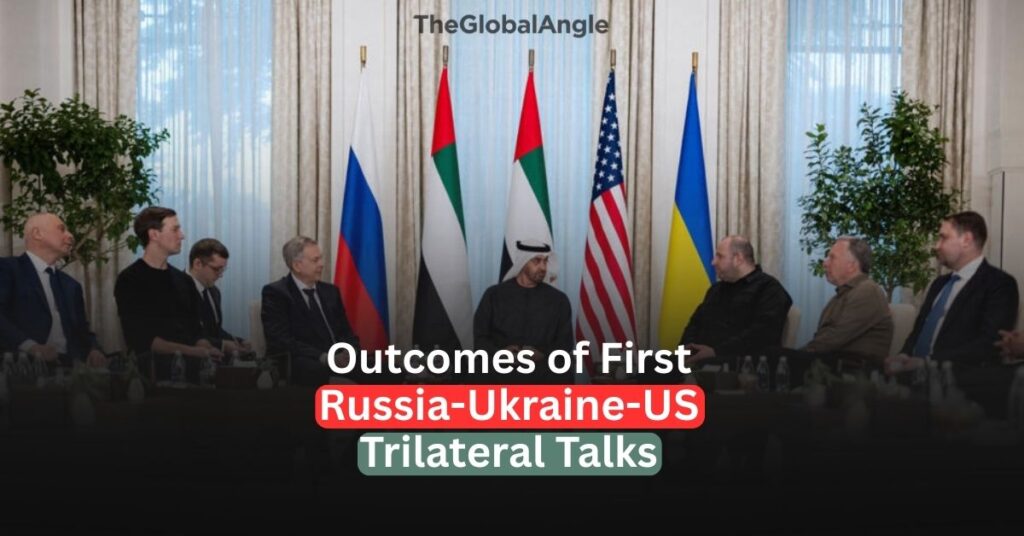
Inside the high-stakes Trilateral Peace Talks in Abu Dhabi as Ukraine faces a winter crisis
Analysis: Trilateral Peace Talks Abu Dhabi 2026 and the Donbas Deadlock The international diplomatic machinery…
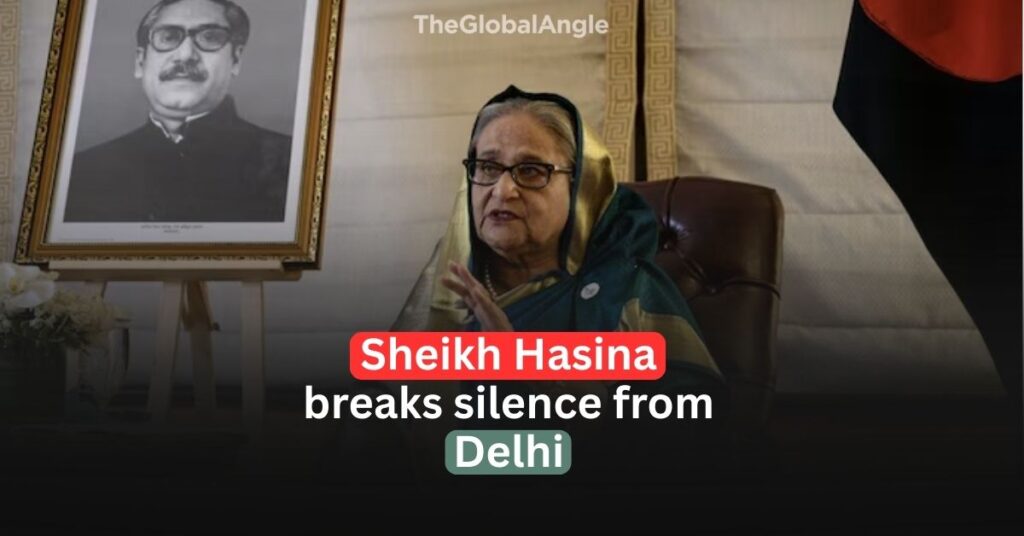
“Valley of Death”: Sheikh Hasina breaks silence from Delhi, slams Yunus regime ahead of Bangladesh 2026 elections.
Analysis: Sheikh Hasina Delhi Statement & Bangladesh Crisis 2026 The political volatility in South Asia…