Key Takeaways
- The Comeback: Tarique Rahman returned to Bangladesh in December 2025 after 17 years of exile in London to lead the BNP to a landslide victory.
- Political Lineage: The eldest son of two former heads of state, he is now set to become the Prime Minister, solidifying his role as the paramount leader of the post-Hasina era.
- Vision for India: Rahman has signaled a “pragmatic reset” in relations with New Delhi, emphasizing mutual respect and economic cooperation over past ideological hostilities.
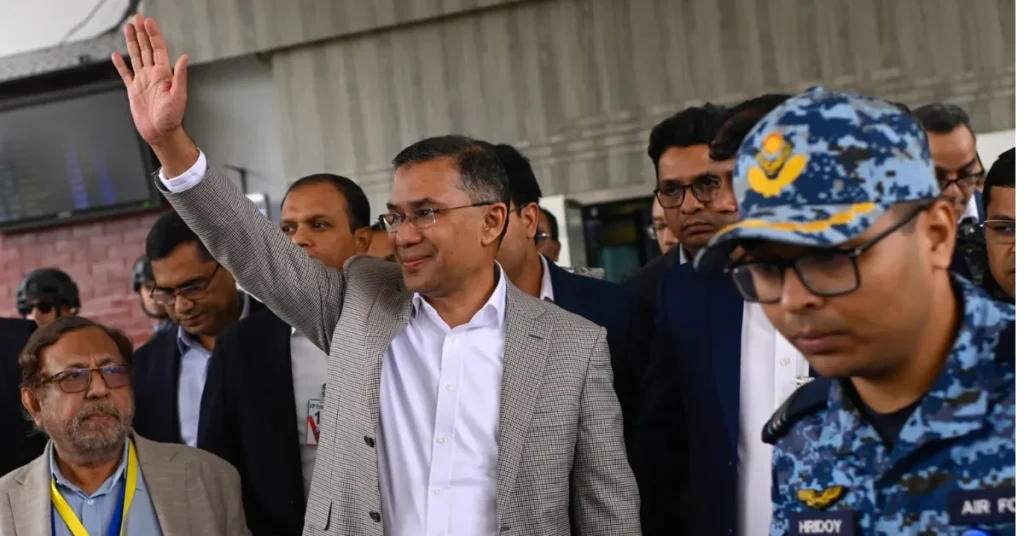
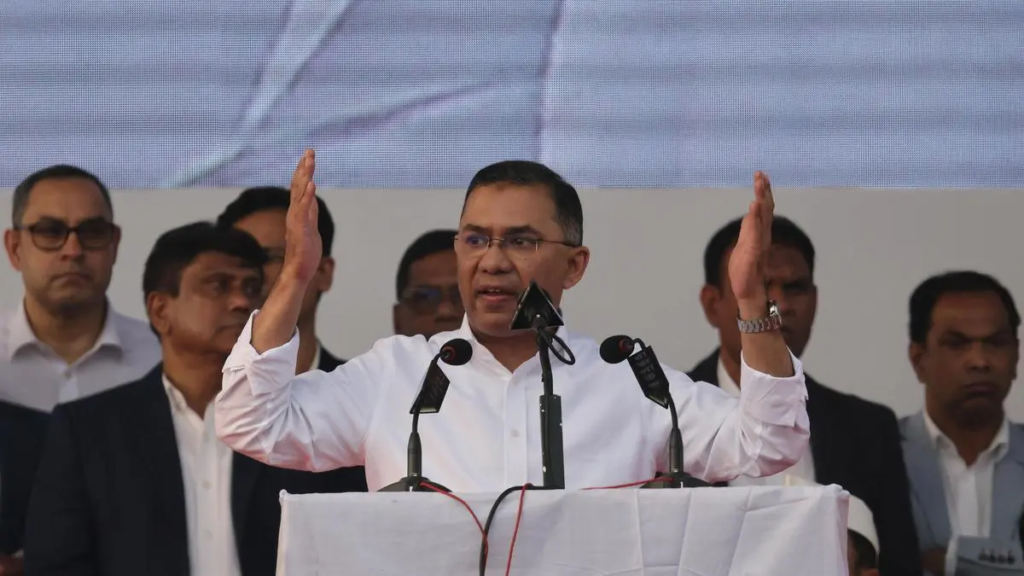
In the wake of the historic Bangladesh Election 2026, one name dominates the headlines: Tarique Rahman. Once a polarizing figure living in self-imposed exile in London, Rahman has orchestrated a massive political comeback, leading the Bangladesh Nationalist Party (BNP) to a decisive victory. As he prepares to take the oath of office, the world—and particularly neighbor India—is asking: Who is the man now steering Dhaka?
The Scion of a Dynasty
Born on November 20, 1965, Tarique Rahman is the eldest son of Ziaur Rahman (Bangladesh’s 7th President and BNP founder) and Begum Khaleda Zia (three-time Prime Minister). Often referred to as the “Crown Prince” of Bangladeshi politics, his rise was initially overshadowed by his mother’s dominance.
However, his political career hit a turbulence in 2007-08 during the military-backed caretaker government when he was arrested on corruption charges. Alleging political persecution and citing medical reasons, he left for London in 2008, where he remained for nearly two decades.
The Return of the Exile (December 2025)
Rahman’s return was not guaranteed until the dramatic ouster of Sheikh Hasina in the “July Revolution” of 2024. Following the fall of the Awami League government, the legal barriers preventing his return were systematically cleared by the courts.
In December 2025, Rahman touched down in Dhaka to a rapturous welcome, ending 17 years of physical absence. His return filled the vacuum left by his ailing mother, Khaleda Zia, who passed away shortly after, formally passing the baton of party leadership to him on January 9, 2026.
His Importance in the New Bangladesh
Tarique Rahman’s victory in the 2026 election is more than just a win for the BNP; it is a generational shift.
- Unifying Figure: He is credited with keeping the BNP united remotely from London during the darkest years of the Hasina crackdown.
- The “31-Point” Architect: Rahman campaigned on a structural reform agenda, promising a “Rainbow Nation” and a “Welfare State.” His manifesto includes a bicameral parliament, term limits for the Prime Minister, and a balance of power—direct responses to the authoritarianism of the previous regime.
- Gen Z Appeal: By aligning with student protesters and the National Citizen Party, he successfully rebranded the BNP from a traditional dynastic party to a vehicle for the 2024 revolution’s aspirations.
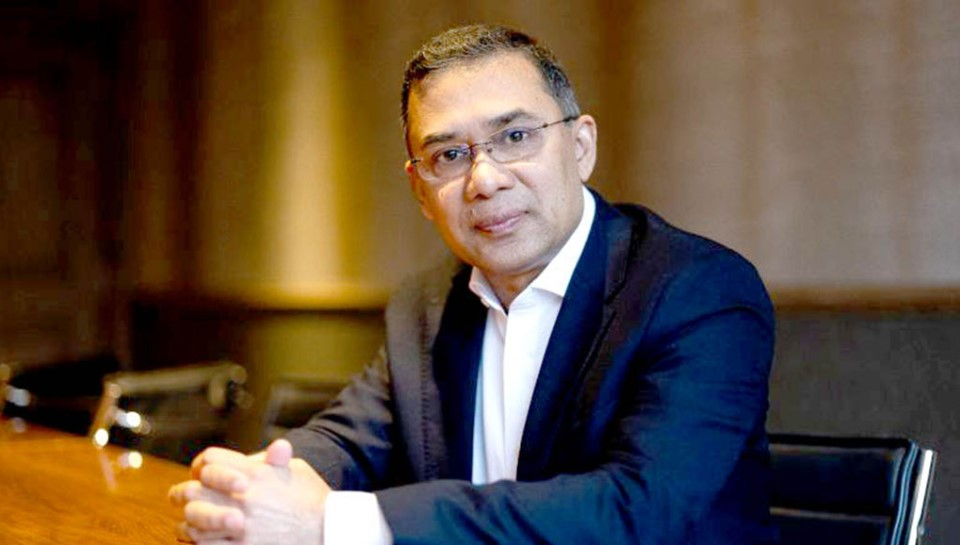
Vision for India: From Hostility to Pragmatism
For New Delhi, the BNP’s return initially triggers memories of the 2001-2006 era, which was marked by strained ties and security concerns. However, Tarique Rahman has actively sought to redefine this relationship in 2026.
1. “Mutual Respect” Policy
Rahman has moved away from anti-India rhetoric, instead calling for a relationship based on “sovereign equality.” His advisors have engaged with Indian diplomats, signaling that economic necessities—trade, water sharing, and connectivity—will prioritize over ideology.
2. Minority Rights Assurance
Aware of Indian concerns regarding the safety of Bangladesh’s Hindu minority, Rahman has made public assurances. During his victory rallies, he emphasized that “religion is personal, but the state belongs to everyone,” distancing himself from the radicalism often associated with the BNP’s former ally, Jamaat-e-Islami.
3. The Hasina Factor
The most delicate issue will be the status of Sheikh Hasina, currently in India. While Rahman’s base demands justice for the “July massacres,” his initial comments suggest he prefers legal processes over political vendettas, potentially avoiding an immediate diplomatic rupture with New Delhi.
As Tarique Rahman assumes the mantle of Prime Minister, he faces the dual challenge of rebuilding a fragile economy and navigating the complex geopolitics of South Asia. For India, he represents a new reality in Dhaka—one that requires fresh engagement and cautious optimism.
Frequently Asked Questions
Is Tarique Rahman the Prime Minister of Bangladesh?
He is the Prime Minister-designate. Following the BNP’s majority win in the February 12, 2026 election, he is expected to take the oath of office within days.
Why was Tarique Rahman in exile?
He left Bangladesh in 2008 for medical treatment after being arrested by a military-backed government. He remained in London due to multiple legal cases filed during Sheikh Hasina’s tenure, which he claimed were politically motivated.
What is his stance on Jamaat-e-Islami?
While the BNP has historically allied with Jamaat, the 2026 election saw them contest separately. Rahman’s massive majority allows him to govern without relying on Jamaat, potentially allowing for a more moderate, centrist administration.
ALSO READ: Bangladesh Election Results 2026: BNP Sweeps to Power, Tarique Rahman Set to Lead
ALSO READ: Bangladesh Votes 2026: A Landmark Day for Democracy