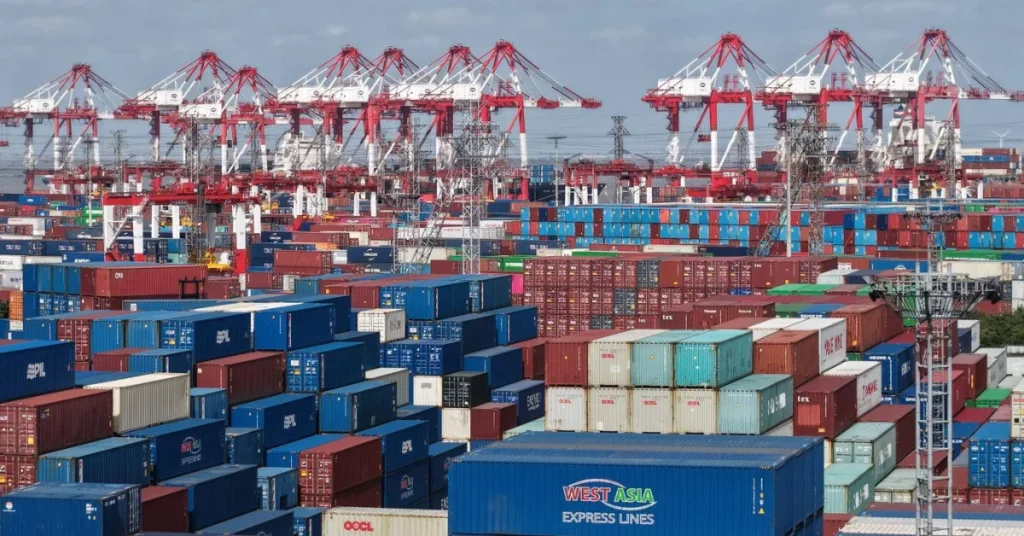
Understanding Tariffs in the 2026 Global Economy
Key Takeaways
- The 2026 Spike: Average applied tariffs in the U.S. have risen by nearly 15 percentage points since 2024, marking the most significant protectionist shift in modern history.
- Market Rewiring: Developing nations are losing competitive ground, while supply chains are aggressively shifting to “neutral” zones like Vietnam and India to bypass levies.
- Strategic Countermeasures: Nations are using “Retaliation” and “Currency Devaluation,” while corporations turn to “Tariff Engineering” to mitigate costs.
In early 2026, the global trading system is undergoing its most radical transformation since the founding of the WTO. With the reimposition of aggressive levies by major economies—most notably the United States—the word “tariff” has moved from economics textbooks to the front page.
But what exactly are tariffs, and why have they become the central weapon of modern geopolitical warfare? This deep dive analyzes the mechanics of tariffs, the explosive events of the 2025-2026 trade cycle, and the historical data that warns us of what comes next.
What Are Tariffs?
A tariff is simply a tax imposed by a government on imported goods. It is not paid by the exporting country (e.g., China does not pay the US government); it is paid by the importer (the domestic company bringing the goods in).
Governments generally impose tariffs for two reasons:
- Revenue: To earn money for the state (common in the 19th century).
- Protectionism: To make foreign goods more expensive, thereby encouraging consumers to buy domestically produced alternatives.
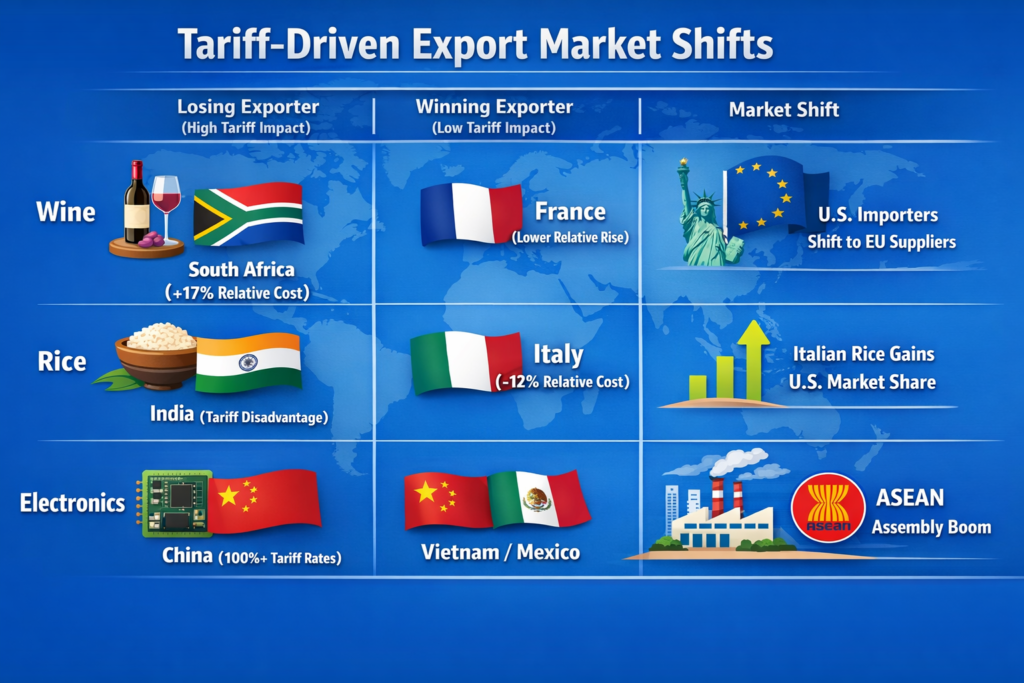
How Tariffs Actually Change Market Share
Tariffs do not stop trade they redirect it. When tariffs increase costs for one country, companies shift sourcing to alternative regions. This leads to a redistribution of global market share rather than a reduction in total trade.
Recent studies show that even a 10% tariff increase can reduce import volumes by over 4%, directly impacting exporters’ market share. As a result, countries not affected by tariffs often gain competitive advantage in global markets.
At the company level, tariffs create a difficult trade-off. Firms that pass costs to consumers risk losing demand, while those that absorb costs face shrinking profit margins. This directly affects their competitiveness and market share.
The 2025-2026 Tariff Timeline
The current market volatility is driven by a series of Executive Orders and legislative moves that began in early 2025. The “Reciprocal Trade” era has replaced the “Free Trade” consensus.
The “National Emergency” Levies (Feb – March 2025)
In February 2025, the U.S. administration cited national security concerns (specifically migration and fentanyl) to invoke the International Emergency Economic Powers Act (IEEPA).
- Mexico & Canada: Hit with a 25% blanket tariff (energy sectors excluded or taxed at 10%).
- China: Existing tariffs were hiked, eventually spiraling to a tit-for-tat escalation where some bilateral rates now touch 125%.
The “Liberation Day” Reciprocal Tariffs (April 2025)
This marked a structural shift. The U.S. introduced a “Reciprocal Tariff” mechanism, essentially stating: “We will tax your goods at the same rate you tax ours.”
- Global Impact: This moved the average tariff rate on US imports from single digits to over 20% by early 2026.
- Developing Nations Hit: According to a February 2026 UNCTAD report, developing economies have seen their “relative tariff disadvantage” widen by 3 percentage points, pricing them out of the US market.
How Countries and Companies Overcome Tariffs
When a tariff wall goes up, trade does not stop—it reroutes. Here are the primary strategies used to overcome these barriers:
1. The “China Plus One” Pivot
To avoid the 60%+ tariffs on Chinese goods, manufacturers are moving final assembly to countries with favorable trade agreements.
- Vietnam & India: These nations have seen a surge in Foreign Direct Investment (FDI) as companies set up “screwdriver plants”—factories that assemble components made elsewhere to change the “Country of Origin” label.
2. Tariff Engineering
Corporations modify their products to fit into a different tax code with a lower rate.
- Example: In the past, Converse added “fuzzy fabric” to the soles of their sneakers to classify them as “slippers” rather than “shoes,” dropping the tariff from 37.5% to 3%. In 2026, we are seeing similar engineering in electronics to bypass “smart device” levies.
3. Currency Devaluation
If a country’s goods become 25% more expensive due to a tariff, that country might allow its currency to drop by 25%. This makes the goods cheaper in dollar terms, effectively canceling out the tariff.
Recent Data: The Winners and Losers (2026 Market Share)
The “uneven” nature of the 2026 tariffs has created stark winners and losers in specific sectors.Z
| Category | Winners | Losers |
|---|---|---|
| Countries | India, Vietnam, Mexico (alternative manufacturing hubs) | China, EU exporters facing tariffs |
| Industries | Domestic manufacturing, protected sectors | Export-driven industries affected by tariffs |
| Companies | Firms with diversified supply chains | Firms dependent on single-country sourcing |
| Consumers | Local producers (indirect benefit) | Consumers facing higher prices |
Historical Context
To understand the danger of the current moment, analysts look to the Smoot-Hawley Tariff Act of 1930.
- The Action: The US raised tariffs on 20,000 imported goods to protect farmers during the Great Depression.
- The Reaction: Global partners retaliated.
- The Result: Global trade plummeted by 66% between 1929 and 1934, deepening the Great Depression.
While 2026 is not 1930, the “tit-for-tat” escalation (e.g., China’s recent 15% retaliatory tax on US farm goods) mirrors the early stages of that trade collapse
Conclusion
Ultimately, tariffs are not just taxes they are tools that reshape global competition. Rather than reducing trade, they redistribute it, shifting market share toward countries and companies that can adapt faster to changing trade rules.
By 2026, global tariffs have risen sharply, with U.S. rates reaching multi-decade highs. This has accelerated supply chain shifts toward countries like India and Vietnam, fundamentally changing global trade patterns.
Sources
McKinsey – Geopolitics and the Geometry of Global Trade 2026 Update
Reuters – US consumers and importers hit hardest by tariffs, ECB study finds
EBC – How tariffs affect inflation and stock markets in 2026
S&P Global – Tariff impacts on sectors and market dynamics
Frequently Asked Questions
Who actually pays the tariff?
The importer pays the tariff to their own government’s customs agency. Typically, this cost is passed on to the consumer in the form of higher prices.
Do tariffs reduce the trade deficit?
Historically, no. While they reduce imports, they often kill exports too (due to retaliation) and increase the value of the domestic currency, making exports less competitive.
What is the ‘De Minimis’ loophole?
This was a rule allowing packages under $800 to enter the US duty-free. In 2025, this was largely closed for Chinese retailers (like Shein and Temu), forcing them to pay tariffs on every small package.
The $1.2 Trillion Shift: Complete China Trade Surplus 2026 Breakdown

Kausar CY
Global Leadership | Europe & Gulf Expertise
Driving strategic growth and operational excellence at Global Angle, with extensive experience across the European and Gulf Political and Global sectors.