Munich Security Conference 2026 – Key Takeaways
- The Theme: The 2026 conference is operating under the grim motto “Under Destruction,” reflecting fears that the post-1945 international order is being demolished rather than reformed.
- The “Trump Factor”: With Donald Trump back in the White House, the conference is dominated by European anxiety over the future of US security guarantees.
- New Leadership: Key figures have shifted—Friedrich Merz hosts as German Chancellor, Mark Rutte attends as NATO Secretary General, and Kaja Kallas represents the EU’s foreign policy.
As the global elite gather at the Hotel Bayerischer Hof from February 13–15, 2026, the mood is starkly different from previous years. The 62nd Munich Security Conference (MSC) is not just a “talk shop” this year; it is a crisis meeting for a West that feels its foundations shaking.
Here is an informational breakdown and fact check of what is happening in Munich right now.
What is the Munich Security Conference 2026?
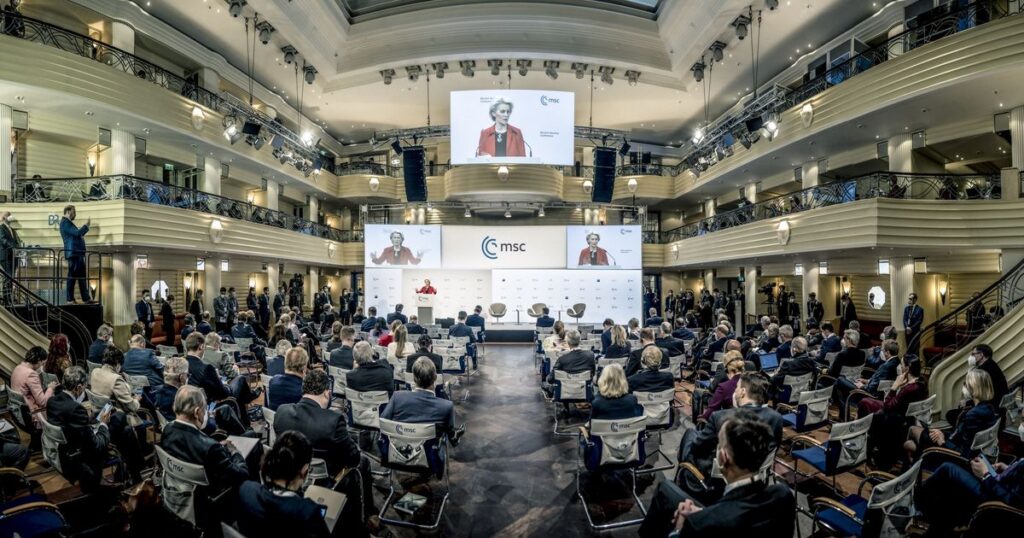
Often called the “Davos of Defense,” the MSC is the world’s leading forum for international security policy.
- Purpose: It is not a place where treaties are signed. Its goal is to be a “marketplace of ideas”—a venue for informal, non-stop diplomatic speed-dating where heads of state, spies, generals, and CEOs can speak off the record.
- The 2026 Goal: To determine if the Western alliance can survive the “wrecking-ball politics” of the current era, or if Europe must finally go it alone.
The 2026 Theme: “Under Destruction”
Every year, the MSC releases a report that sets the tone. The Munich Security Report 2026 is titled “Under Destruction.”
- The Argument: The report argues that we have moved past “instability” into a phase where key actors are actively demolishing the rules-based order—from trade rules (WTO) to human rights norms—without having a blueprint for what comes next.
- Fact Check: Is the order really “under destruction”? The report cites data showing that in G7 nations, a majority of citizens now believe their governments’ policies will make future generations worse off, fueling a desire for disruptive, burn-it-down politics.
Who Is There? (The 2026 Cast)
The attendee list reflects the massive political shifts of the last 18 months.
- Host: Friedrich Merz (Chancellor of Germany). This is his debut as host, signaling a more conservative, defense-heavy German stance.
- The US Delegation: The shadow of President Donald Trump looms large. While Vice President JD Vance has reportedly delivered a “blistering” critique of European free-riding, a bipartisan Senate delegation (including Chris Coons and Thom Tillis) is trying to reassure allies that Congress still supports NATO.
- International Organizations:
- Mark Rutte (NATO Secretary General): Tasked with keeping the alliance glued together.
- Kaja Kallas (EU High Representative): The hawk on Russia, pushing for Europe to seize its own destiny.
- Global South: Leaders from the “BICS” (Brazil, India, China, South Africa) are present, arguing that the “destruction” of the old order is actually an opportunity for a fairer new one.
Key Agenda Items & Fact Checks
1. The Future of Ukraine
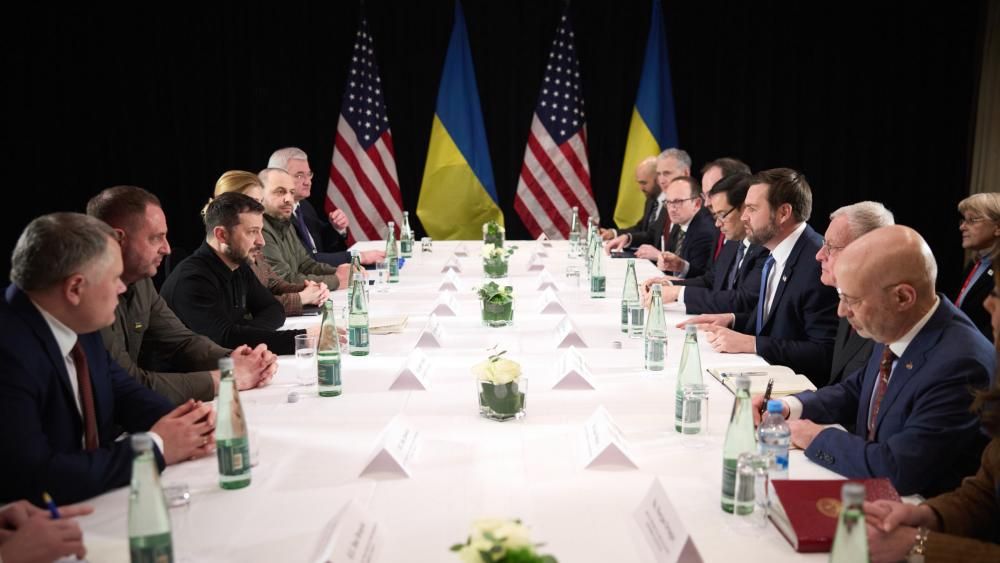
- The Situation: With the war entering its fifth year, “Ukraine Fatigue” is the elephant in the room. President Volodymyr Zelenskyy is in Munich, reportedly facing pressure to consider “transactional” peace deals favored by the new US administration.
- Fact Check: Has US aid stopped? Not officially, but the uncertainty of future aid packages is forcing Europe to discuss “Trump-proofing” its support for Kyiv.
2. European Nuclear Deterrence
- The Debate: A major topic on the main stage is “Mind the Deterrence Gap.”
- The Reality: With doubts about the US nuclear umbrella, serious discussions are happening (mostly behind closed doors) about a “Euro-deterrent”—essentially, how France and the UK’s nuclear arsenals can cover the rest of the EU.
3. The “Global South” Pivot
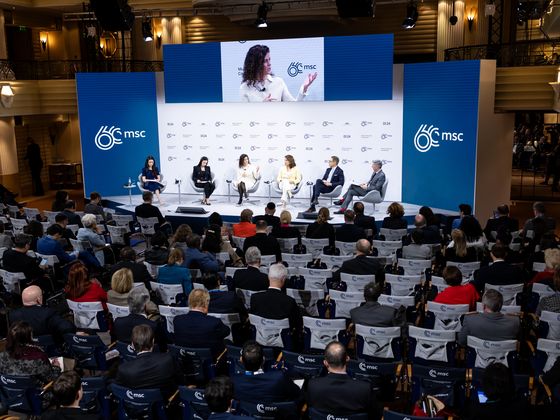
- The Agenda: Sessions like “Reboot or Repair?” focus on debt relief and climate finance.
- The Shift: The conference is trying to shed its image as a “West-only” club. There is a heavy focus on the “Transactionalist” powers—countries like India and Saudi Arabia that refuse to pick a side between the US and China.
Expected Outcomes
The MSC rarely produces a signed document. However, we can expect three tangible outcomes from the 2026 meeting:
- The “Munich Consensus”: A grim acceptance that Europe must hit a 3% or 4% GDP defense spending target (up from the old 2%) to satisfy the new US administration.
- Side Deals: Critical meetings between intelligence chiefs (CIA, Mossad, etc.) often happen in the hotel suites, potentially de-escalating tensions in the Middle East.
- The Narrative: The phrase “Under Destruction” will likely become the buzzword of 2026, defining how governments explain the chaotic world to their voters.
Frequently Asked Questions
Is the Munich Security Conference an official government event? No. It is a private, independent foundation. This allows leaders to speak more freely than they would at the UN or a G7 summit.
Why is the 2026 conference considered so critical? It is the first major transatlantic gathering since the political shifts in both the US (Trump’s return) and Germany (Merz’s Chancellorship), making it the “first date” for the new Western power structure.
What is the ‘Ewald von Kleist Award’? It is the MSC’s highest honor for peace. In 2026, it will likely be awarded to an entity or individual symbolizing resilience against the “destruction” of democratic norms.
Also Read – Fact Check: Did India Stop Buying Russian Oil? The Economic Reality