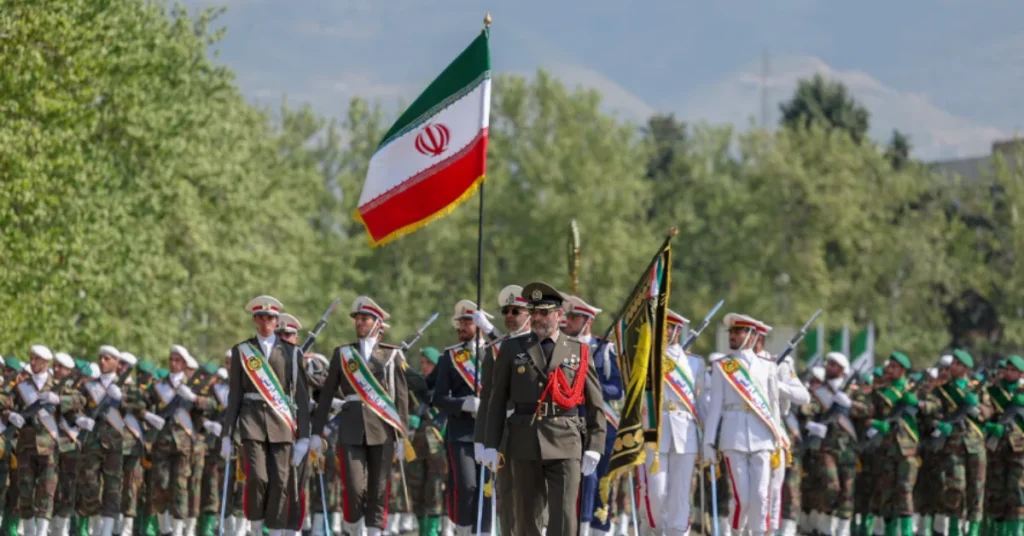
US-Iran Relations
- The Root of Mistrust in US Iran relations: The relationship is still haunted by the 1953 CIA-backed coup that ousted PM Mohammad Mosaddegh and the 1979 Islamic Revolution that followed.
- The Nuclear Rollercoaster: From the 2015 JCPOA deal to the 2018 US withdrawal and the 2025 “snapback” of sanctions, nuclear policy remains the central friction point.
- Current Status (2026): Tensions are at a historic high following the June 2025 Israel-Iran conflict, with Washington and Tehran currently engaging in fragile, indirect talks in Geneva.

The relationship between the United States and Iran is perhaps the most complex and volatile diplomatic standoff of the modern era. As of February 2026, the two nations find themselves at yet another precipice. With the recent collapse of the 2025 Muscat negotiations and the subsequent military flare-ups, understanding the “how” and “why” of this animosity is no longer just a history lesson—it is essential for predicting the future of global energy security and Middle Eastern stability.
This analysis covers the complete timeline of U.S.-Iran relations, dissecting the pivotal moments that transformed close Cold War allies into bitter ideological adversaries.
The Era of Alliance and Intervention (1953–1978)
To understand the current “Death to America” chants in Tehran, one must look back to the Cold War. For decades, Iran was Washington’s “Policeman of the Gulf,” a strategic pillar against Soviet expansion.
The 1953 Coup (Operation Ajax)
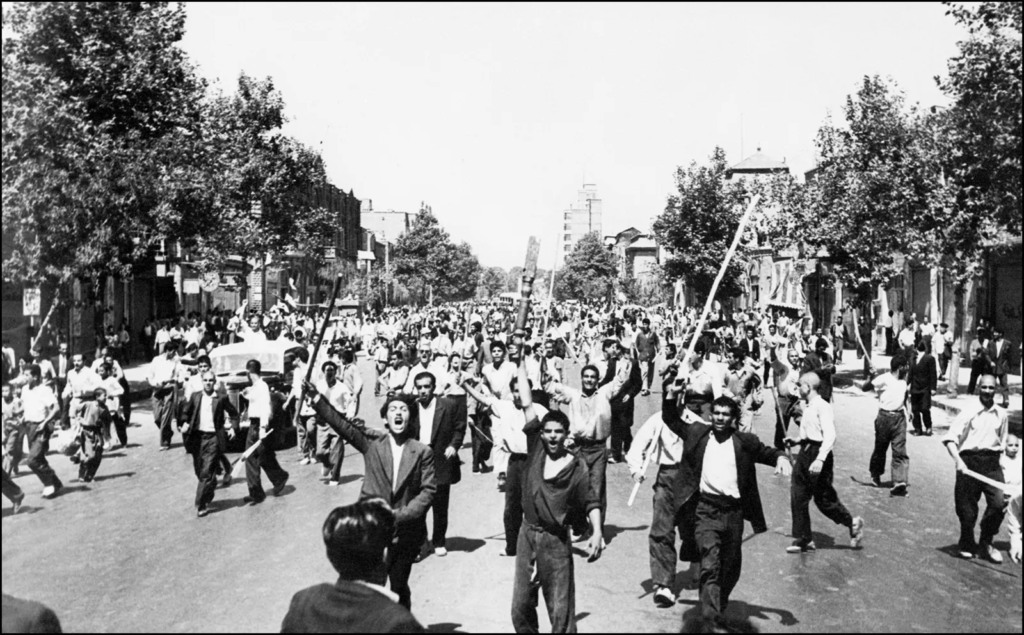
The seminal moment of modern U.S.-Iran history occurred in August 1953. When democratically elected Prime Minister Mohammad Mosaddegh nationalized the Iranian oil industry (threatening British interests), the CIA and UK intelligence orchestrated a coup to overthrow him.
- The Outcome: The Shah, Mohammad Reza Pahlavi, was reinstated as an absolute monarch.
- The Legacy: While it secured cheap oil and a pro-Western ally for 25 years, it destroyed Iranian secular democracy and planted the seeds of deep anti-American resentment that fueled the 1979 revolution.
The Nuclear Beginning (1957)
Ironically, it was the United States that launched Iran’s nuclear program. Under the “Atoms for Peace” program, the U.S. provided Iran with a research reactor and enriched uranium in 1957, viewing the Shah as a stable partner for nuclear energy development.
1979: The Year Everything Changed
The year 1979 marks the definitive fracture in bilateral ties. The Islamic Revolution, led by Ayatollah Ruhollah Khomeini, toppled the Shah, replacing the monarchy with a theocratic Republic deeply hostile to Western influence.
The Hostage Crisis (1979–1981)
In November 1979, Iranian students stormed the U.S. Embassy in Tehran, taking 52 Americans hostage for 444 days.
- US Reaction: President Jimmy Carter severed diplomatic relations in April 1980—a break that remains in effect today.
- Impact: The crisis doomed the Carter presidency and established the “hostage-taking” paradigm that would plague relations for decades.
The Decades of Proxy War (1980–2010)
Following the revolution, the rivalry shifted to regional battlefields.
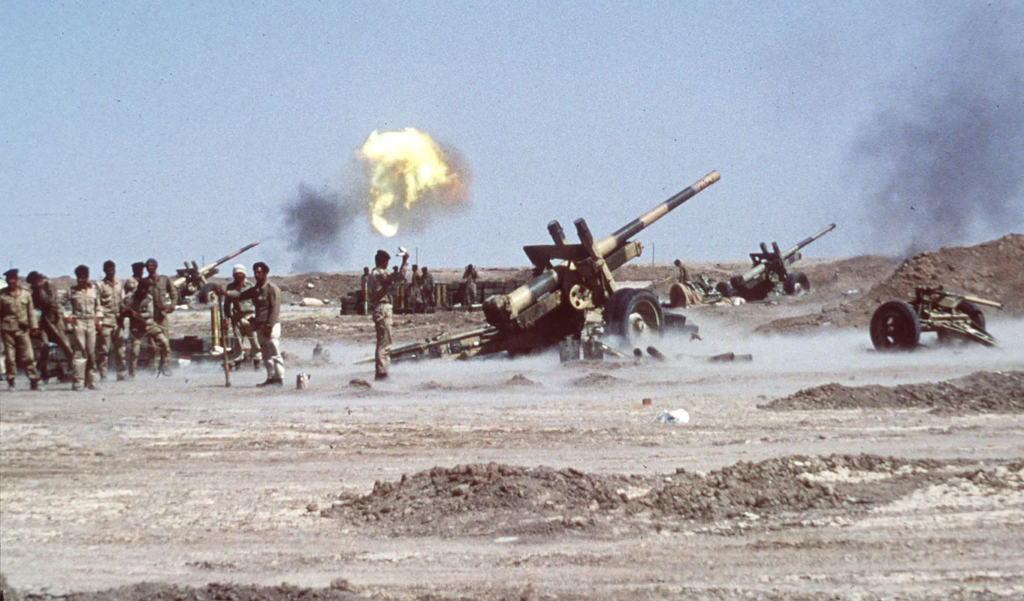
- Iran-Iraq War (1980–1988): The U.S. provided intelligence and support to Saddam Hussein’s Iraq against Iran. The shooting down of Iran Air Flight 655 by a U.S. Navy cruiser in 1988, killing 290 civilians, remains a primary grievance in Tehran.
- The “Axis of Evil” (2002): despite tentative cooperation against the Taliban post-9/11, President George W. Bush labeled Iran part of the “Axis of Evil,” ending hopes of rapprochement and accelerating Iran’s covert nuclear pursuits.
The Nuclear Deal and Its Collapse (2015–2024)
The modern era has been defined by the race to contain Iran’s nuclear ambitions through diplomacy versus sanctions.
The JCPOA (2015)
Under President Obama, the U.S. and world powers signed the Joint Comprehensive Plan of Action (JCPOA). Iran agreed to limit its nuclear program in exchange for sanctions relief. It was hailed as a diplomatic breakthrough.
The “Maximum Pressure” Campaign (2018)
In 2018, the Trump administration unilaterally withdrew from the deal, citing its failure to address Iran’s ballistic missiles and regional proxies. The U.S. reimposed crippling sanctions, and Iran responded by exceeding enrichment limits.
- 2020 Flashpoint: The U.S. assassination of Qasem Soleimani, Iran’s top general, brought the two nations to the brink of direct war.
2025–2026: Escalation and Direct Confrontation
The last 18 months have seen a dramatic deterioration in stability.
- The Failed Muscat Talks (April 2025): Attempts to revive a “less-for-less” nuclear deal in Oman collapsed due to disagreements over sanction waivers.
- The June 2025 Conflict: Following the breakdown of talks, a brief but intense conflict erupted involving Israeli strikes on Iranian military infrastructure. The U.S. moved carrier strike groups to the region to deter total war but stopped short of direct invasion.
- The “Snapback” (October 2025): The UN “snapback” mechanism was triggered, effectively killing the remnants of the JCPOA and restoring international sanctions.
TIMELINE: KEY MOMENTS IN US-IRAN RELATIONS
| Year | Event | Impact on Relations |
| 1953 | CIA Coup (Operation Ajax) | Reinstated the Shah; created lasting anti-US sentiment. |
| 1979 | Islamic Revolution & Hostage Crisis | Ties severed; US imposes first major sanctions. |
| 1988 | USS Vincennes shoots down Flight 655 | 290 Iranian civilians killed; deepens hostility. |
| 2002 | “Axis of Evil” Speech | Ended post-9/11 cooperation; accelerated Iran’s nuclear push. |
| 2015 | JCPOA Signed | Brief diplomatic thaw; nuclear program capped. |
| 2018 | US Withdraws from JCPOA | Return to “Maximum Pressure”; Iran restarts enrichment. |
| 2020 | Qasem Soleimani Assassinated | Near-war scenario; Iran attacks US bases in Iraq. |
| 2025 | Israel-Iran Conflict (June) | Direct military exchange; collapse of diplomatic channels. |
| 2026 | Geneva Talks (Current) | Fragile attempt to prevent full-scale regional war. |
2026: Direct Conflict and Fragile Ceasefire
In 2026, U.S.–Iran relations entered their most dangerous phase in decades. Direct military confrontation erupted, with large-scale strikes and retaliatory attacks across the region.
Following weeks of escalation, both sides agreed to a temporary ceasefire, but negotiations remain fragile and unresolved.
This marks a shift from proxy conflict to direct confrontation—something that had largely been avoided for decades.
The Underlying Pattern
U.S.–Iran relations follow a recurring cycle:
- Intervention or pressure
- Iranian resistance
- Escalation
- Temporary diplomacy
- Breakdown again
This pattern explains why long-term resolution has remained elusive for over 70 years.
The Global Perspective & Future Outlook
As of February 2026, U.S. and Iranian negotiators are meeting in Geneva for what many analysts call “last-chance” diplomacy. The geopolitical landscape has shifted:
- Iran’s Alliances: Tehran has deepened ties with Moscow and Beijing, selling drones for the Ukraine war and joining the BRICS+ economic bloc to sanction-proof its economy.
- US Strategic Shift: Washington is desperate to pivot focus to the Indo-Pacific but remains bogged down by Iranian proxies (Houthis, Hezbollah) disrupting global shipping lanes.
The outlook remains grim. Unless a modus vivendi is reached in Geneva regarding uranium enrichment caps, the likelihood of further military escalation—potentially involving direct U.S. strikes on nuclear facilities—remains high for the remainder of 2026.
Conclusion:
U.S.–Iran relations are not simply a series of events—they are a long-term strategic rivalry shaped by mistrust, ideology, and competing regional interests.
The shift in 2026 toward direct confrontation suggests that this conflict has entered a new and more dangerous phase, with global implications for energy security and geopolitical stability.
Sources
Council on Foreign Relations – U.S. Relations With Iran Timeline
Encyclopaedia Britannica – 2026 Iran Conflict Overview
The Guardian – U.S.-Iran ceasefire developments 2026
Reuters – Iran sets conditions for long-term negotiations
Wall Street Journal – Ceasefire remains fragile in U.S.-Iran conflict
Frequently Asked Questions
Are the US and Iran currently at war?
Technically, no. However, they are engaged in a “gray zone” conflict. This involves cyberwarfare, economic sanctions, and proxy battles in Syria, Iraq, and the Red Sea, alongside the recent flare-ups involving Israel.
What is the ‘Snapback’ mechanism mentioned in 2025 news?
“Snapback” was a clause in the 2015 nuclear deal allowing any participant to force the UN to re-impose all suspended international sanctions if Iran violated the agreement. This occurred in October 2025, isolating Iran economically.
Why does the 1953 coup still matter today?
For Iranian leadership, 1953 is proof that the U.S. does not respect Iranian sovereignty and will always seek regime change. It is the core historical narrative used to justify anti-American foreign policy.
ALSO READ: US Trade 2026: The Complete Economic Breakdown
ALSO READ: Did India Stop Buying Russian Oil? The Economic Reality

Ibrahim is the Founder and Lead Analyst at The Global Angle, an independent digital platform dedicated to factual geopolitical analysis and international affairs. Based in India, he combines an engineering background with a deep focus on global markets, diplomacy, and strategic security. Ibrahim leverages a data-driven, analytical approach to break down complex international conflicts and economic shifts, helping readers see beyond standard news narratives. When he isn’t researching global policy, he focuses on digital publishing, search engine optimization, and platform architecture.