
Introduction
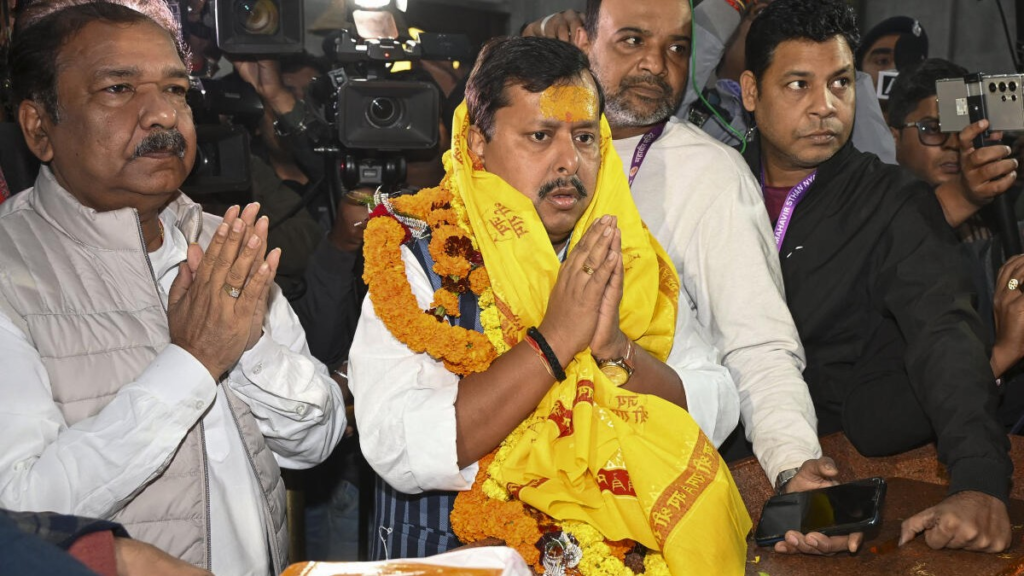
The appointment of Nitin Nabin BJP working president marks a significant moment in the internal evolution of India’s ruling party. More than a routine organisational move, it signals a deliberate generational and strategic recalibration at the top of the Bharatiya Janata Party.
Nabin’s elevation has sparked two immediate questions within political circles: why Bihar, and why now? The answers lie in the BJP’s long-term leadership planning, its reading of upcoming electoral cycles, and its willingness to break from conventional political calculus.
Why Bihar Matters in This Appointment
A Region Seeking Greater Representation
Nitin Nabin becomes the first BJP working president from Bihar. This is not incidental. Bihar remains one of India’s most politically complex states, where caste equations, alliance politics, and regional identities shape electoral outcomes.
By elevating a leader from Bihar to a national organisational role, the BJP signals that eastern India is no longer peripheral to its leadership structure. The move strengthens the perception that organisational performance and loyalty can translate into national responsibility, regardless of regional origin.
Beyond Electoral Arithmetic
What makes this choice notable is that Nabin does not belong to a numerically dominant caste group in Bihar. His community represents a small fraction of the state’s population and has rarely been central to electoral mobilisation.
This reinforces a consistent pattern under Narendra Modi’s leadership: strategic decisions are not always driven by predictable caste arithmetic. Instead, organisational reliability and political judgment appear to carry greater weight.
Why Now? Timing and Political Context
A Generational Transition in Motion
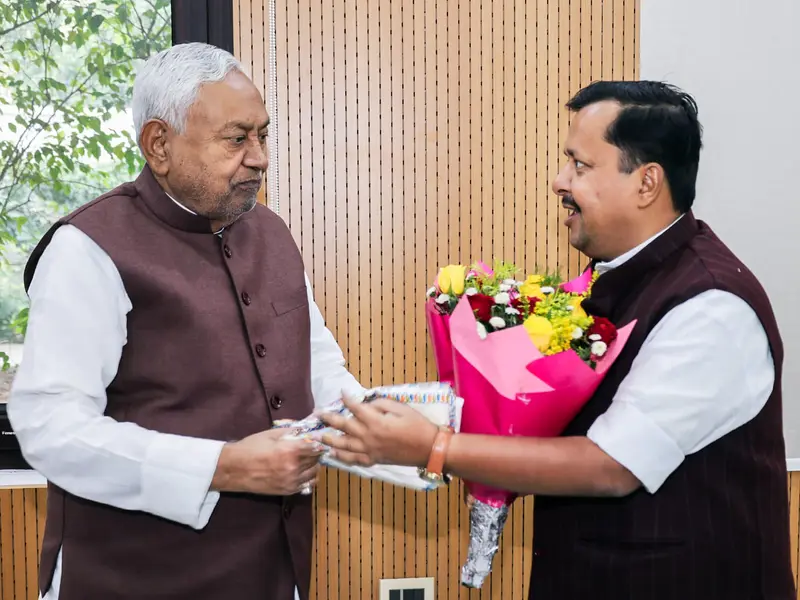
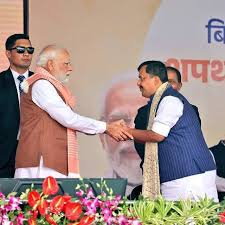
The BJP has undergone multiple leadership transitions over the past decade. After Modi’s rise as the party’s central figure, organisational leadership passed to Amit Shah and later to JP Nadda. Nitin Nabin’s appointment fits into this broader trajectory of generational renewal.
At 45, he represents a younger leadership layer being prepared for future responsibility. His role as working president is widely viewed as a preparatory phase before a full transition at the top once the party’s internal election process is formally initiated.
Aligning Party and Government Cycles
The timing also coincides with a politically dense calendar. Several assembly elections are approaching, and organisational restructuring within the BJP is nearing completion. With this change, expectations of a cabinet reshuffle at the Centre have also gained momentum.
The party appears to be aligning its organisational leadership with future electoral and governance priorities rather than reacting to immediate political pressure.
Who Is Nitin Nabin?
Political Background
Born in 1980, Nitin Nabin entered active politics after the sudden death of his father, a senior BJP organisational leader, in 2006. He won a by-election from Patna and has since established himself as a consistent electoral performer.
He is a five-term legislator and among the youngest leaders to hold such a senior organisational role within the party.
Ministerial and Administrative Experience
Over the years, Nabin has handled several ministerial portfolios in Bihar, including infrastructure-related departments. His tenure has been marked by a low-profile, non-confrontational approach rather than headline-driven politics.
This administrative grounding has helped shape his image as a manager rather than a mobiliser, a quality often valued in organisational leadership.
Organisational Track Record Beyond Bihar
Youth Wing and Campaign Roles
Nabin previously served as president of the Bharatiya Janata Yuva Morcha in Bihar, where he worked on cadre mobilisation and youth outreach. This experience placed him firmly within the party’s organisational pipeline.
He was later entrusted with campaign responsibilities outside his home state, including key roles in Sikkim and Chhattisgarh.
Chhattisgarh as a Turning Point
His organisational work in Chhattisgarh marked a crucial phase in his rise. At a time when the BJP faced an uphill task, his assessment and inputs reportedly shaped the party’s strategic approach.
Subsequent electoral outcomes strengthened his standing within the leadership, leading to greater responsibilities and national-level visibility.
What His Appointment Signals About BJP’s Strategy
Merit and Loyalty Over Visibility
The elevation of Nitin Nabin BJP working president underscores a preference for leaders who combine electoral success with organisational discipline. He is not known for mass rhetoric or ideological grandstanding, but for execution and coordination.
This reflects a leadership style that prioritises internal coherence and administrative effectiveness over public flamboyance.
Strengthening the Leadership Pipeline
By placing a relatively young leader in such a critical position, the BJP reinforces its long-term leadership pipeline. This allows the party to manage succession without abrupt shifts or internal contestation.
It also sends a message to state-level leaders that national roles are attainable through sustained organisational work rather than media prominence alone.
How This Affects the Wider Political Landscape
Contrast With Opposition Leadership Models
Nabin’s rise highlights a contrast with several other national parties, where leadership positions remain concentrated among older figures or family-based hierarchies.
The BJP’s emphasis on grooming leaders through organisational structures allows it to project continuity while adapting to changing political conditions.
Implications for Bihar Politics
While his appointment is national in nature, it also has implications for Bihar. It enhances the state’s visibility within the party and could influence future organisational and electoral decisions there.
It may also reshape internal equations within the state unit, especially as Bihar heads toward another election cycle.
Conclusion
The appointment of Nitin Nabin BJP working president is not a symbolic gesture. It reflects a calculated move by the BJP’s top leadership to manage generational transition, regional representation, and organisational stability in one step.
Why Bihar, and why now, becomes clearer when viewed through this lens. The party is investing in leaders who have demonstrated administrative competence, organisational loyalty, and electoral resilience, even if they do not fit conventional political templates.
Whether this strategy strengthens the BJP’s organisational effectiveness across regions will become evident in the elections ahead.
Does this generational shift deepen the party’s institutional strength, or will it create new internal pressures as leadership transitions accelerate?
Frequently Asked Questions
1. Who is Nitin Nabin?
Nitin Nabin is a five-term BJP legislator from Bihar and currently serves as the party’s national working president.
2. Why was Nitin Nabin appointed now?
His appointment reflects a planned generational transition and organisational realignment ahead of upcoming elections.
3. Why is Bihar significant in this decision?
Bihar’s representation at the national organisational level signals the BJP’s intent to strengthen leadership diversity and regional balance.
4. Is Nitin Nabin likely to become BJP’s national president?
His working presidency is widely seen as a precursor to a full leadership role once the formal process begins.
Also Read: Strategic BJP Shift: Pankaj Chaudhary UP BJP President Role Explained in 7 Points
Also Read: Strategic Oil Pressure: Trump Oil Price Policy Saudi Arabia Explained in 6 Points
Pingback: Modi Address Ethiopia Parliament: Global South Vision Explained in 7 Points