Key Takeaways
- Bangladesh Election Results 2026: BNP Victory, Tarique Rahman to Lead, and Impact on India
- Landslide Victory: The Bangladesh Nationalist Party (BNP) has secured a commanding majority, leading in over 212 of 299 seats, decimating its main rival, Jamaat-e-Islami.
- New Prime Minister: Tarique Rahman, son of the late Khaleda Zia, is poised to take oath as Prime Minister on Saturday, ending the interim government’s 18-month rule.
- India Relations: PM Narendra Modi has already congratulated Rahman, signaling a pragmatic reset in ties despite the Awami League’s absence from the polls.
The results of the Bangladesh Election 2026 have delivered a decisive mandate. In a historic vote held on February 12, the Bangladesh Nationalist Party (BNP) has emerged as the unchallenged political force in the post-Hasina era. With the Awami League banned and its leadership in exile, the election transformed into a bipolar contest where the BNP successfully positioned itself as the party of stability against the Islamist platform of Jamaat-e-Islami.+1
As the country prepares for a new government, the focus now shifts to how Tarique Rahman will navigate Bangladesh’s economic recovery and its complex relationship with neighbor India.
Bangladesh Election Results 2026: The Numbers
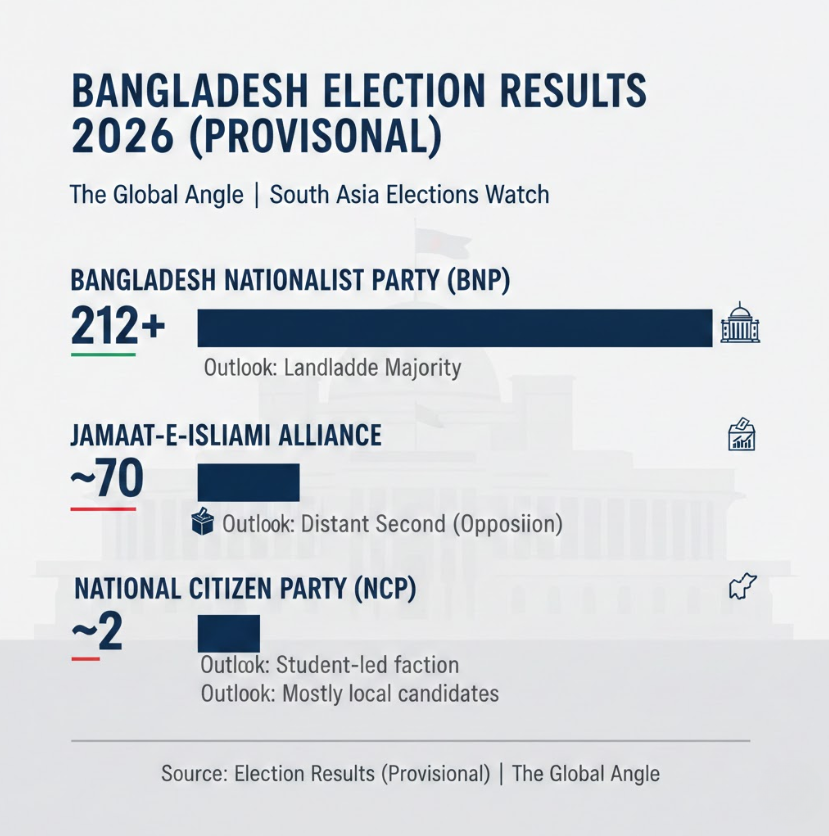
While official final figures are still being tallied by the Election Commission, preliminary results from 299 constituencies paint a clear picture of a BNP wave.
| Party / Alliance | Seats Leading / Won (Provisional) | Key Outlook |
| Bangladesh Nationalist Party (BNP) | 212+ | Landslide Majority |
| Jamaat-e-Islami Alliance | ~70 | Distant Second (Opposition) |
| National Citizen Party (NCP) | ~2 | Student-led faction |
| Independents / Others | ~15 | mostly local candidates |
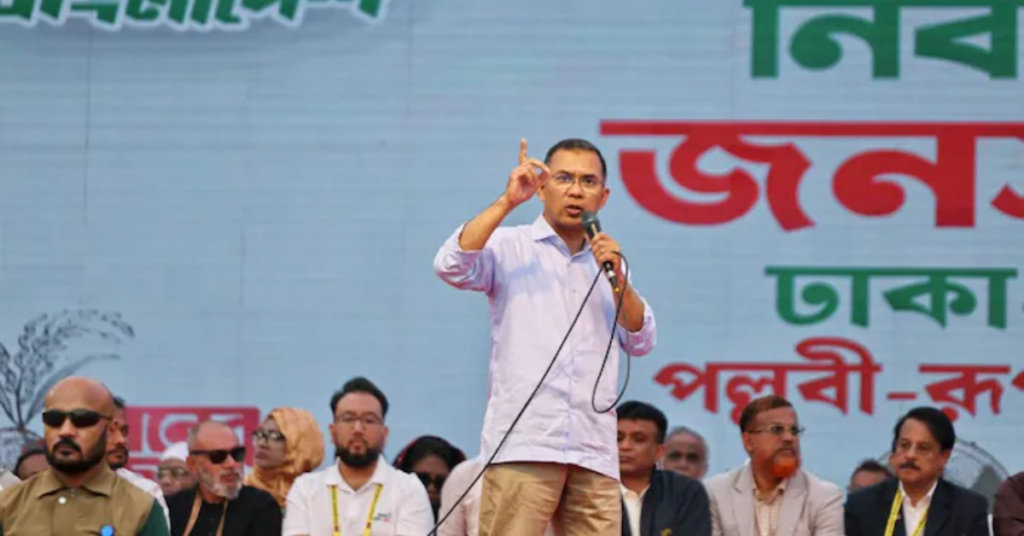
Tarique Rahman’s Personal Triumph:
The BNP Chairman won both his contested seats—Bogra-6 and Dhaka-17—by massive margins. In Bogra, he secured over 216,000 votes compared to just 97,000 for his Jamaat rival, cementing his personal popularity.
What This Means for India: A Pragmatic Reset
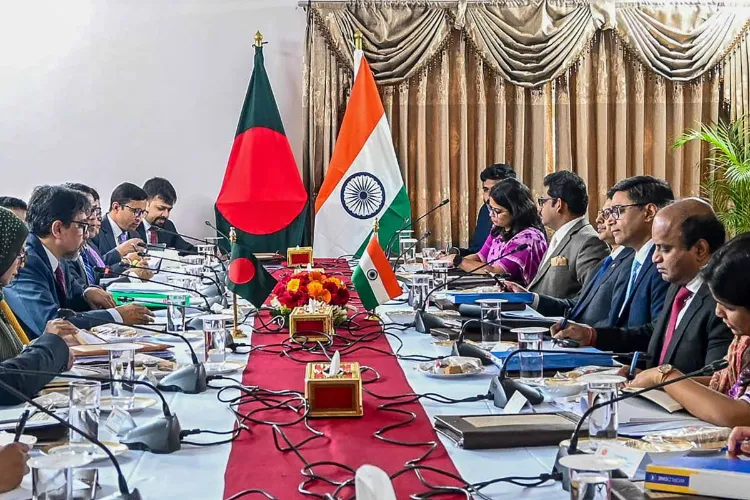
For New Delhi, the 2026 election presents both a challenge and an opportunity. India has historically enjoyed close ties with Sheikh Hasina’s Awami League. The BNP’s return to power after nearly two decades requires a diplomatic recalibration.+1
1. The “Anti-India” Rhetoric vs. Governance Reality
While the BNP has traditionally used anti-India rhetoric to galvanize its base, Tarique Rahman’s victory speech signaled a mature shift. By publicly thanking PM Modi and expressing a desire for “strengthening friendly relations,” Rahman is indicating that economic necessity (trade, water sharing, energy) will trump ideological hostility.
2. Security Concerns
India’s primary concern remains the Jamaat-e-Islami, which has historically been linked to anti-India insurgent groups. However, the election results are a relief for New Delhi: the BNP’s massive mandate means it does not need to rely on Jamaat to form a coalition government. A strong, single-party BNP government is preferable to a weak coalition held hostage by radical Islamist partners.
3. The Fate of Sheikh Hasina
The “elephant in the room” remains the extradition of Sheikh Hasina, currently in exile in India. The BNP base will likely demand her return to face trial. How Rahman handles this delicate issue without rupturing ties with New Delhi will be his first major foreign policy test.
Future Outlook: The “Welfare State” Promise
Tarique Rahman has outlined a 31-point plan to transform Bangladesh into a “Welfare State,” focusing on:
- Economic Reform: Stabilizing the garment sector and curbing inflation.
- Rule of Law: Ending the culture of political vendettas (though the Awami League ban suggests otherwise).
- Global Ties: Balancing relations between China, the US, and India.
As celebrations are muted out of respect for the late Begum Khaleda Zia, the mood in Dhaka is one of cautious optimism. The “Gen Z” revolution of 2024 has finally birthed an elected government. Now, the real work of nation-building begins.
Will Tarique Rahman be able to unite a polarized nation, or will the exclusion of the Awami League haunt Bangladesh’s democracy in the years to come?
Frequently Asked Questions
When will the new government take oath?
Reports suggest that Tarique Rahman and his cabinet are likely to take the oath of office on Saturday, February 14, 2026.
Did the Awami League participate in the 2026 election?
No. The Awami League was banned from contesting, and its leadership rejected the election as “illegal and unconstitutional.”
Who is the new Opposition Leader?
With the Awami League absent, Jamaat-e-Islami is set to become the official opposition party in the Jatiya Sangsad (Parliament).
ALSO READ: Bangladesh Votes 2026: A Landmark Day for Democracy
ALSO READ: Bangladesh Election 2026: Navigating a Historic Transition
The End of “Free Leverage”: How RBI’s 2026 Guidelines Are Reshaping the Broking Industry
Executive Summary (The “Global Angle”) The News: The Reserve Bank of India (RBI) has issued…

The Thermal Masterstroke: Why the 2026 F1 Championship Could Be Decided in Court
F1 vs Mercedes key takeaways – The News: The FIA has launched an emergency e-vote…

Winter Olympics 2026 “A New Era”: How Milano Cortina Rewrote the Olympic Playbook
Winter Olympics 2026 key notes – The News: As the Milano Cortina 2026 Winter Games…
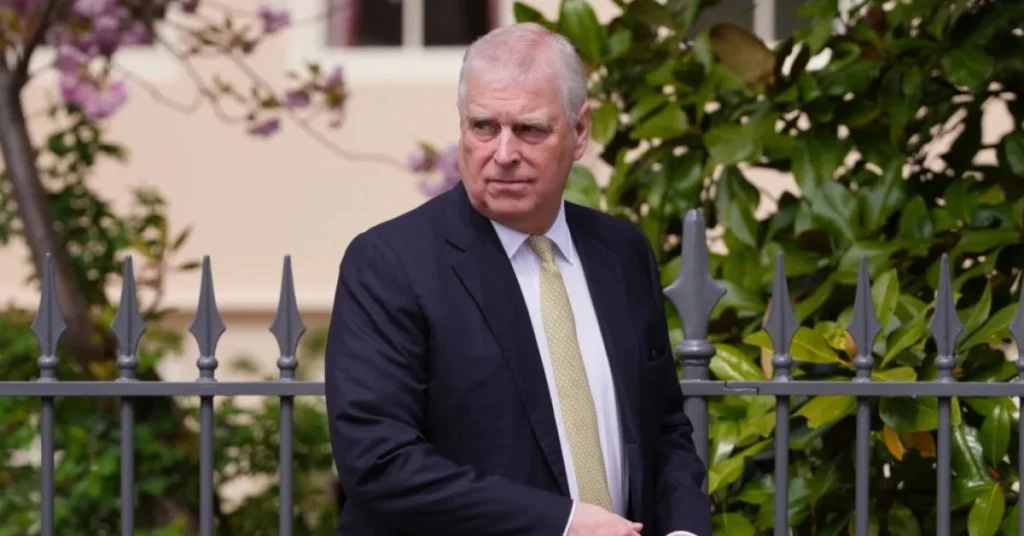
Andrew Mountbatten-Windsor arrest 2026: Why This Redefines Royal Immunity
Executive Summary Andrew Mountbatten-Windsor arrest 2026 The News: On his 66th birthday (February 19, 2026),…

Yoon Suk Yeol life sentence: The Dec 2024 Insurrection & The “Pardon Cycle”
Executive Summary Yoon Suk Yeol life sentence The News: A Seoul court has sentenced former…
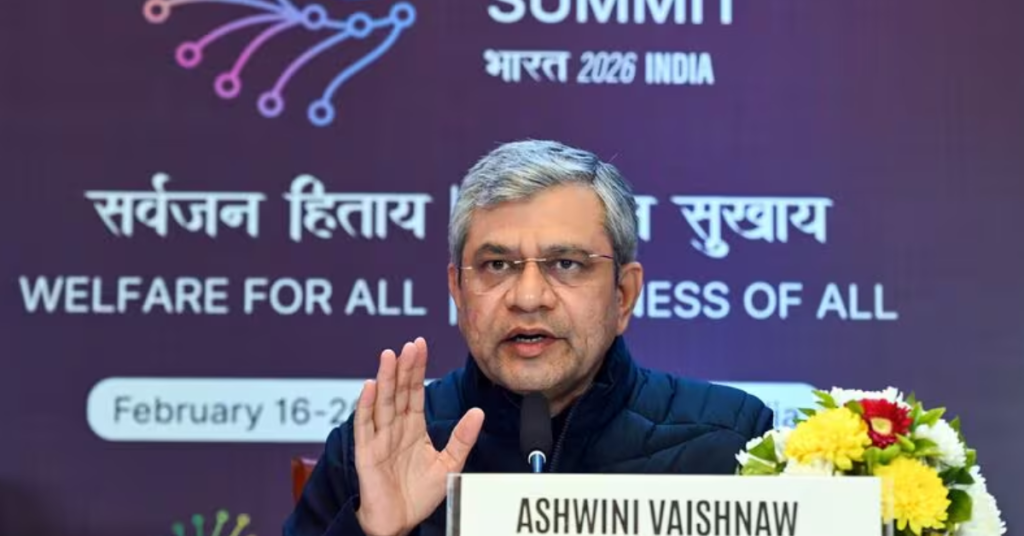
India AI Impact Summit Day 2 Summary: The Day the “AI Hype” Broke the Doors Down
Executive Summary India AI Impact Summit Day 2 Summary The News: Day 2 of the…