
Bangladesh Protests 2025 — Why the Unrest Has Spiraled
Introduction
The Bangladesh protests 2025 represent one of the most intense periods of political unrest in the country in recent memory. What began as mourning for a slain activist quickly became widespread violence, arson, diplomatic tensions, and deep questions about governance and elections.
The immediate cause was the death of youth leader Sharif Osman Hadi, whose shooting and later death ignited anger across Dhaka and beyond. This blog unpacks how events unfolded, why they have escalated, and what it means for Bangladesh’s fragile democracy.
Who Was Sharif Osman Hadi?
Sharif Osman Hadi was a 32‑year‑old student leader and activist, widely seen as a prominent voice of Bangladesh’s youth movements. He emerged as a key figure in the 2024 uprising that toppled the previous government of Sheikh Hasina and gained respect among young voters and activists.
On 12 December 2025, masked assailants shot Hadi in Dhaka while he was out campaigning. He was flown to Singapore for treatment but succumbed to his injuries on 18 December 2025.
His death occurred just weeks before the 12 February 2026 general election, heightening political sensitivities and turning grief into outrage.
How the Violence Spread
From Mourning to Mayhem
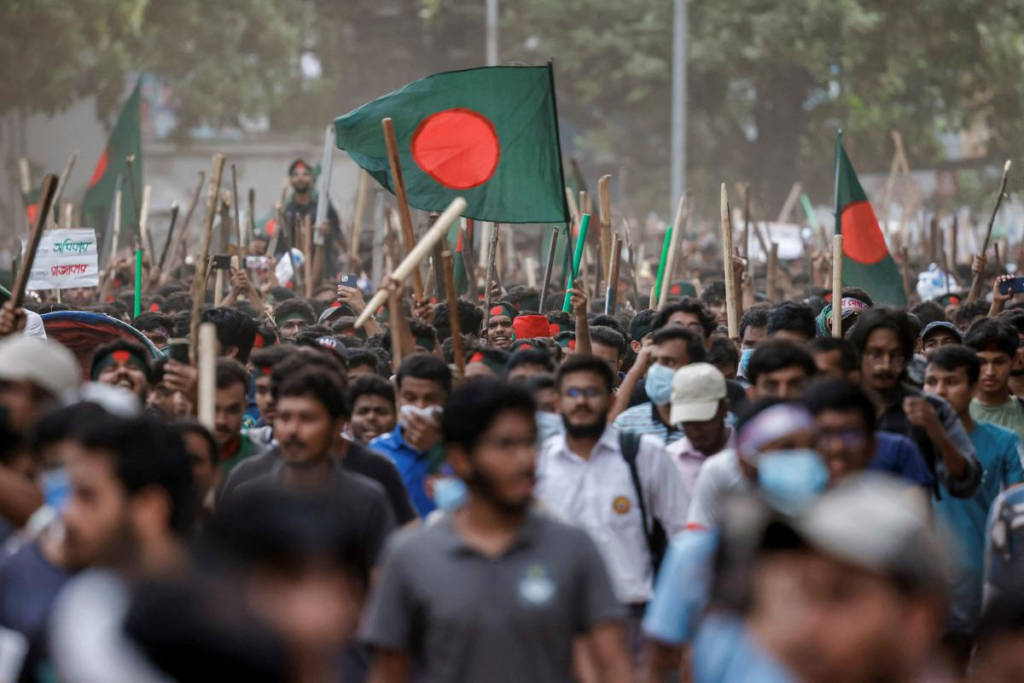
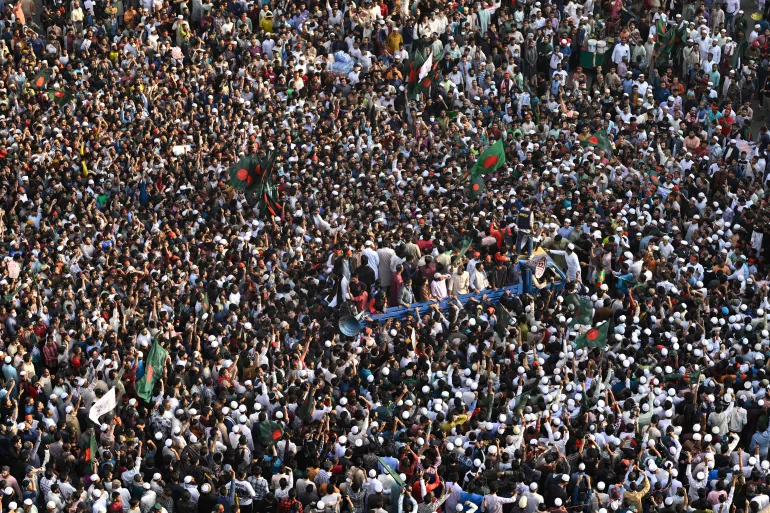
News of Hadi’s death spread rapidly, prompting spontaneous demonstrations across Dhaka. Protesters initially gathered to mourn and demand justice, but soon clashes with security forces and aggressive tactics by some activists escalated the situation.
Security forces quickly mobilised across major urban centres, including Dhaka, to contain the unrest. Reports described roads blocked by large crowds, clashes between protesters and police, and increasing tensions citywide.
Key Flashpoints of the Unrest
Attacks on Media Houses
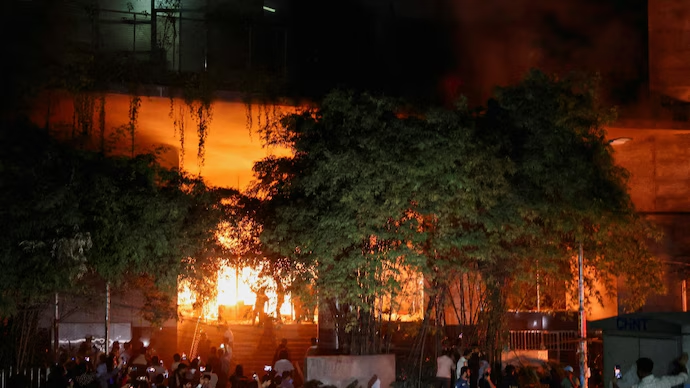
One of the most shocking elements of the Bangladesh protests 2025 has been the targeting of media institutions.
- Protesters stormed and set fire to the offices of The Daily Star and Prothom Alo, two of Bangladesh’s leading newspapers.
- Journalists were trapped inside these buildings amid smoke and flames and had to be rescued from rooftops as fires raged below.
These attacks raised alarm about press freedom and the safety of journalists in any country experiencing large‑scale political disruption.
Cultural and Political Institutions Attacked
The unrest also spread to other symbolic targets:
- Chhayanaut, one of Bangladesh’s oldest cultural organisations, was vandalised and set on fire.
- The partially demolished site of the Bangabandhu Memorial Museum at Dhanmondi was further damaged as protesters vented rage at symbols associated with past political orders.
Such actions highlighted the emotional intensity and deep polarisation within sections of society, where cultural and historical institutions became flashpoints for political expression.
Anti‑India Sentiment and Diplomatic Strain
The protests have taken on an anti‑India dimension in several areas:
- Student groups and political sections accused India of harbouring suspects responsible for Hadi’s shooting.
- Slogans and demonstrations near the Indian High Commission in Dhaka raised diplomatic concerns.
India responded by tightening security around its diplomatic missions and suspending some visa services to protect staff amid the volatile environment.
The diplomatic strain underscores how domestic upheaval in Bangladesh is resonating beyond its borders.
Government Response
Security Measures
Bangladesh’s interim government, led by Muhammad Yunus, condemned the violence and appealed for calm, calling Hadi’s death an “irreparable loss.” The administration deployed police, paramilitary forces, and army contingents to secure Dhaka and other hotspots.
Security personnel were stationed near major media offices, public squares, and diplomatic premises as part of efforts to curb further escalation.
Political Messaging
The interim government warned against mob action, emphasising that violence could derail Bangladesh’s democratic transition. Officials promised a thorough investigation into the shooting and launched a nationwide manhunt for suspects.
Why the Protests Intensified
Political Context and Polarisation
The Bangladesh protests 2025 cannot be understood in isolation. They are rooted in underlying political divisions:
- The 2024 uprising that ousted Sheikh Hasina reshaped political alignments.
- New political formations like Inqilab Moncho, with strong youth and grassroots appeal, challenged traditional party politics.
- A sense of disenchantment among young voters contributed to rising political fervour.
Hadi’s assassination struck at the heart of these tensions, fuelling distrust in security institutions and the interim government.
Elections in the Balance
With national elections scheduled for early 2026, the timing of this crisis is critical. Free and fair polls require a baseline of security and public confidence. The widespread protests and violence threaten to undermine both, creating dilemmas for authorities and political stakeholders.
Impact on Minorities and Civil Freedoms
The unrest has also had a grim human toll beyond politics:
- Reports of violence against minority communities, including attacks on religious minorities, have raised alarm among rights organisations.
- Media freedom advocates condemned the targeting of major newspapers, highlighting a collapse in protections for journalists during crises.
These developments illustrate how political upheaval can spill over into broader civil liberties concerns.
International Reactions
China’s Call for Peaceful Elections
China, a key regional partner of Bangladesh, publicly urged for “safe, stable and smooth elections,” emphasising national solidarity and stability in comments to the media. This reflects concern about the broader geopolitical implications of sustained instability.
Regional Strategic Concerns
Indian parliamentary committees have warned that the ongoing unrest could represent “the gravest strategic challenge” for New Delhi in decades, highlighting risks to bilateral cooperation and regional security frameworks as Bangladesh navigates internal turmoil.
Conclusion: What Lies Ahead
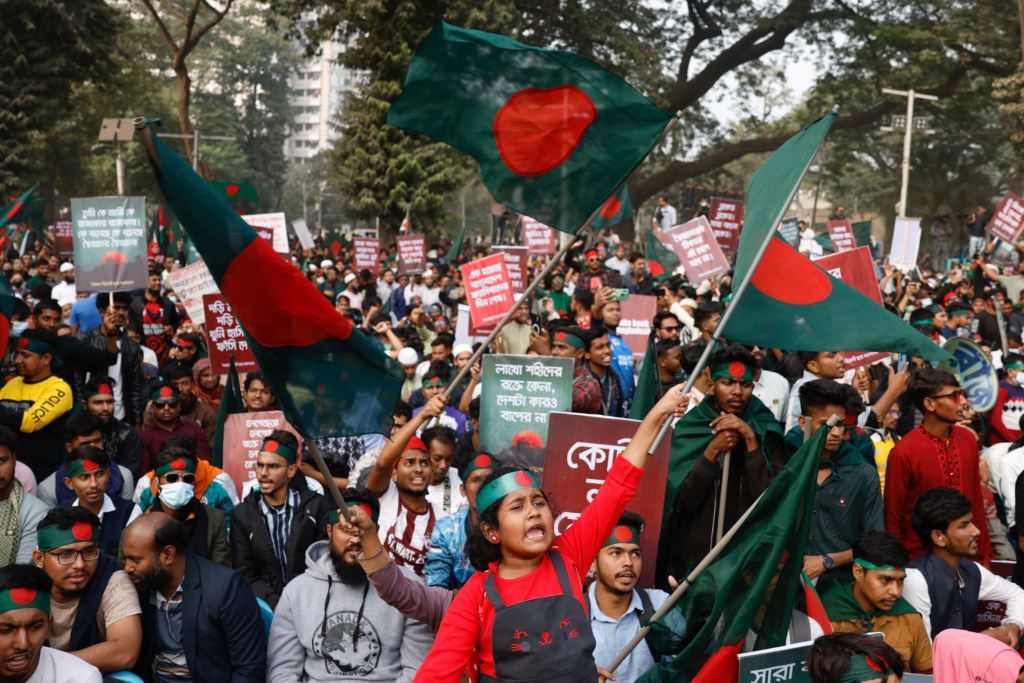
The Bangladesh protests 2025 are a stark reminder of how political transitions can provoke deep social fissures. The death of Sharif Osman Hadi — a prominent youth leader — has catalysed unrest that touches on governance, media freedom, minority safety, foreign policy, and democratic legitimacy.
As the country heads toward elections early next year, the central questions remain:
- Can authorities restore stability without alienating large segments of the population?
- Will justice for Hadi’s killing be delivered credibly?
- Can Bangladesh hold peaceful elections amid such polarisation?
How these pressures are resolved will shape not just Bangladesh’s political future, but its social cohesion and regional role in South Asia.
Frequently Asked Questions
1. What sparked the Bangladesh protests 2025?
The protests erupted after the death of youth leader Sharif Osman Hadi, who was shot earlier in December and died from his wounds.
2. Why were media houses attacked?
Protesters targeted major newspapers like The Daily Star and Prothom Alo, reflecting anger at perceived media alignment with political elites and frustration over political representation.
3. How has the government responded?
The interim government condemned the violence, deployed security forces, and launched investigations into Hadi’s killing.
4. What are the implications for elections?
Sustained unrest could undermine security, public confidence, and the credibility of the upcoming national elections scheduled for February 2026.
ALSO READ: Bangladesh Unrest Sharif Osman Hadi: Dangerous Slide Before Elections
ALSO READ: New Epstein Photos Released: What 70 Images Reveal Now

Pingback: Strategic Escalation: US Blockade Venezuela Oil 5 Signals
Pingback: Imran Khan Release Protests Pakistan: What does it mean?