
Introduction
Bangladesh unrest Sharif Osman Hadi has plunged the country into one of its most volatile moments since the political upheavals of 2024. Violent protests, arson attacks on media, and escalating political tensions have marked rapid deterioration in law and order following the death of a prominent youth leader. This crisis has serious implications for Bangladesh’s political stability and for regional dynamics in South Asia.
Who Was Sharif Osman Hadi?
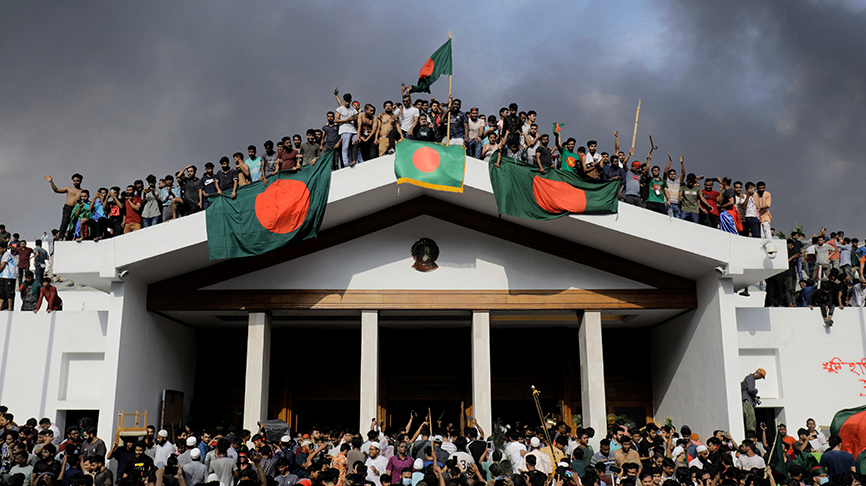
Sharif Osman Hadi was a 32‑year‑old youth leader, serving as spokesman for Inqilab Mancha, a radical student organisation that played a key role in Bangladesh’s 2024 uprising which led to the ouster of former Prime Minister Sheikh Hasina. Hadi had gained prominence as a vocal critic of the ruling establishment and campaigned on issues of accountability and justice.
On 12 December 2025, Hadi was shot in Dhaka by masked assailants while campaigning for a seat in the February 2026 general election. He was airlifted to Singapore for treatment but succumbed to his injuries on 18 December after six days on life support.
His death struck a raw nerve among his supporters and broader sections of urban youth who saw him as a symbol of the 2024 pro‑democracy movement.
How the Violence Erupted
Protests Turn Violent
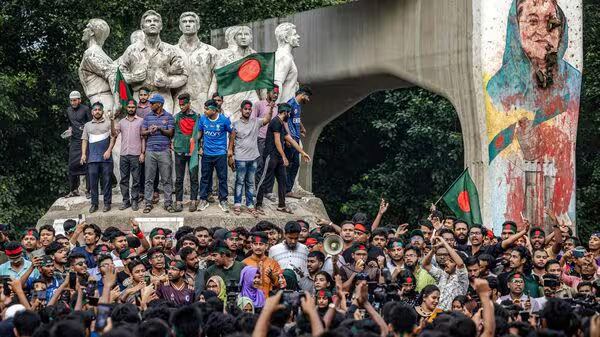
Within hours of news of Hadi’s death, protests in Dhaka and several other cities turned violent. What began as rallies and slogans quickly escalated into looting, arson, and clashes with security forces.
Demonstrators attacked and set fire to the offices of leading newspapers, including Prothom Alo and The Daily Star. These media houses were targeted partly due to perceptions among some protesters of alignment with India and former ruling elites. Journalists were trapped inside buildings amid the blazes before being rescued by security personnel.
Video footage and witness accounts showed mobs storming cultural institutions and vandalising property, including the Chhayanaut cultural centre. Violence also extended to attacks on minority communities and the Indian Assistant High Commission in Chattogram, further complicating diplomatic sensitivities.
Political Context: Elections and Polarisation
Election Countdown
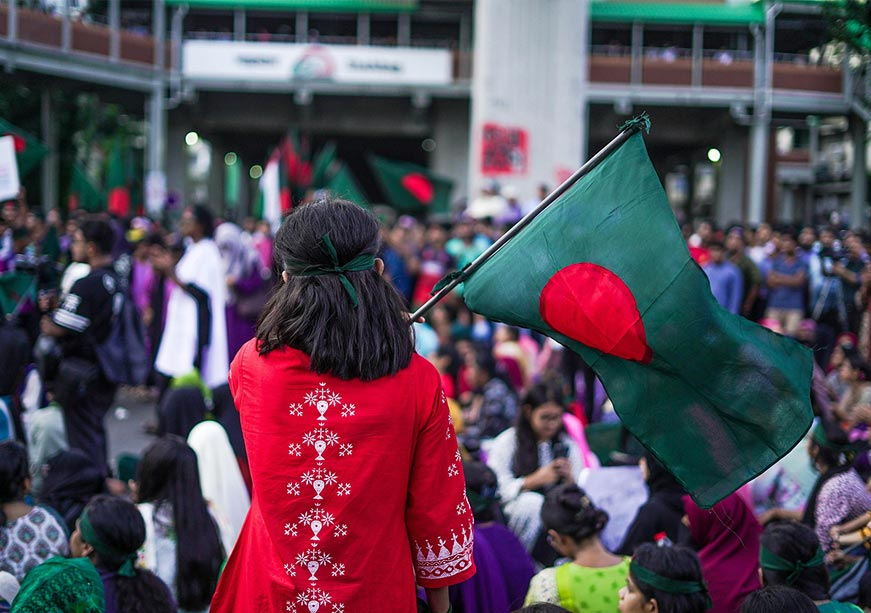
The unrest comes just weeks before Bangladesh’s scheduled parliamentary election on 12 February 2026. The electoral calendar already carries the weight of last year’s dramatic political realignments including the exile of former prime minister Sheikh Hasina to India after mass protests and a regime change in 2024.
Sharif Osman Hadi was an influential voice in the post‑uprising political landscape and was poised to contest the coming elections. His assassination and later death intersected with deep polarisation, raising questions about political violence and competitive stability.
Anti‑India Sentiment and Diplomatic Strain
Hadi’s rhetoric often included sharp critiques of external influence, particularly concerning India. After his death, anti‑India expressions increased among demonstrators, with protests targeting institutions perceived as linked to India. This dynamic has further strained India‑Bangladesh relations, prompting heightened security around Indian diplomatic missions.
China, meanwhile, has publicly called for “peaceful and smooth elections,” underscoring concern from external powers about stability in Bangladesh as a key regional partner.
Government Response and Security Measures
Interim Government’s Appeal
The government under interim chief adviser Muhammad Yunus has tried to balance condemnation of violence with appeals for calm. Yunus declared a national day of mourning for Hadi’s death and pledged a transparent investigation into the shooting.
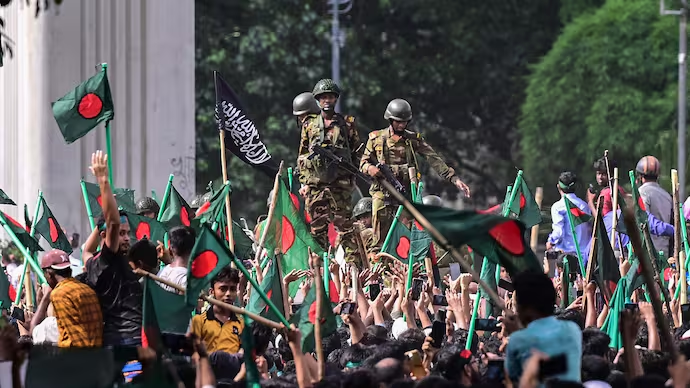
Authorities have also deployed additional forces, including the Border Guard Bangladesh (BGB) and police units, to strategic locations in Dhaka and other hotspots to prevent further escalation. Security operations aim to secure key infrastructure and avert a full breakdown of law and order.
Efforts to Protect Minorities and Press Freedom
The interim government has explicitly condemned incidents of communal violence, including the lynching of a Hindu man during the unrest, and vowed to take strict action against perpetrators.
However, the attacks on major newspapers — both centres of independent journalism — have prompted international concern about press freedom and safety of journalists. The halt of Prothom Alo and The Daily Star’s publications underlines a troubling climate for media operations.
Societal and Regional Impact
Deepening Divisions
The Bangladesh unrest Sharif Osman Hadi demonstrates how politically charged environments can quickly fracture social order. The protests have reflected not just grief but deep frustrations with governance, perceptions of injustice, and fears about the direction of national politics.
The targeting of media, cultural institutions, and minority communities signals broader fault lines including narratives around secularism, identity, and political legitimacy.
Implications for Regional Stability
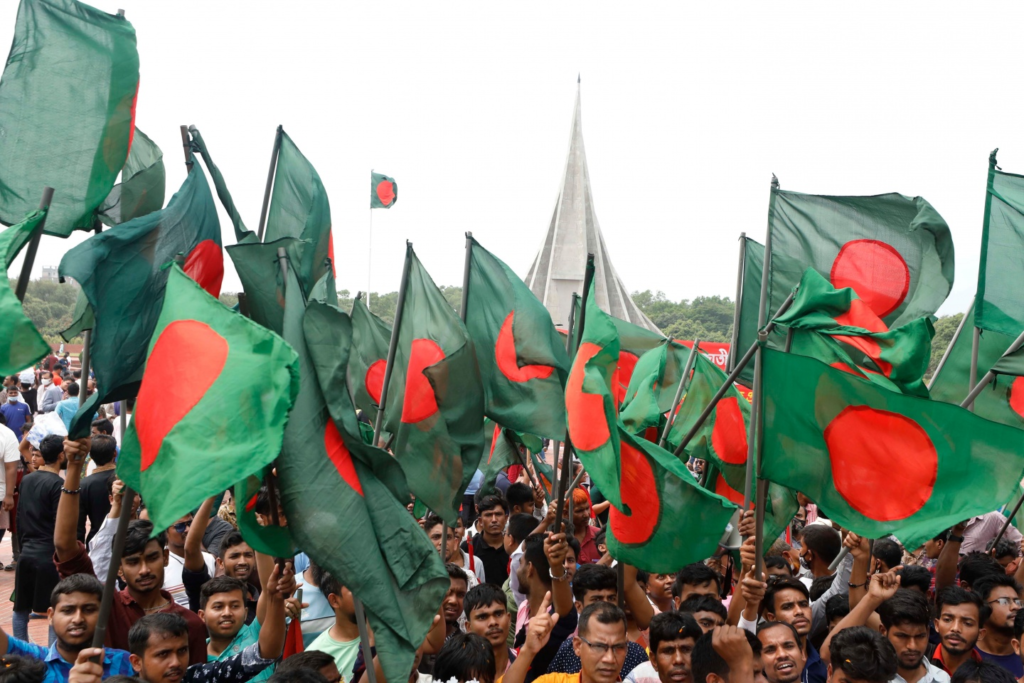
For India, the situation presents significant strategic concerns. Bangladesh is a key neighbour with extensive economic, cultural, and security linkages. Escalating anti‑India sentiment among protest groups complicates diplomatic engagements and could affect cross‑border cooperation, trade, and people‑to‑people ties.
China’s expressed desire for stable elections also reflects a broader geopolitical calculus in South Asia, where external actors are keen to shape alignment and influence in a changing Bangladesh.
The Road Ahead
Upcoming Elections as a Test
With parliamentary elections scheduled for February 2026, how Bangladesh manages this unrest will be pivotal. Free, fair, and peaceful elections are crucial for democratic legitimacy, but the current climate of violence and political distrust challenges that ideal.
Authorities and political stakeholders face difficult decisions about security, civil liberties, and the integrity of the electoral process.
Need for Dialogue and Accountability
Long‑term stability depends on addressing underlying grievances including political exclusion, concerns over justice for political violence, and broader economic and social inequalities. Accountability for Hadi’s killing, credible investigations into unrest, and inclusive political dialogue could help defuse tensions.
Conclusion
The Bangladesh unrest Sharif Osman Hadi crisis is more than a sequence of violent protests. It is a reflection of deep political fractures, contested narratives about power and legitimacy, and the difficulties of managing democratic transitions under strain. As Bangladesh approaches a critical election, the country confronts urgent questions about law and order, institutional resilience, and societal cohesion.
Whether it moves toward a stable democratic process or slips into prolonged disorder will depend on how leaders, institutions, and society at large respond to this defining moment.
Frequently Asked Questions
1. What triggered the Bangladesh unrest?
The unrest was triggered by the death of youth leader Sharif Osman Hadi after he was shot while campaigning for the 2026 election.
2. Why were media houses attacked?
Protesters targeted media outlets perceived as aligned with certain political factions and external influences, reflecting broader political tensions.
3. How is the interim government responding?
The interim government has deployed security forces, declared a day of mourning, condemned communal violence, and pledged to investigate the shooting.
4. What are the risks to the upcoming elections?
Ongoing unrest, polarisation, and security challenges could undermine election logistics, turnout, and perceptions of fairness and stability.
ALSO READ: New Epstein Photos Released: What 70 Images Reveal Now
ALSO READ: Strategic BJP Shift: Pankaj Chaudhary UP BJP President Role Explained in 7 Points

Pingback: Bangladesh Protests 2025 | Osman Hadi - TheGlobalAngle
Pingback: Crisis: Motaleb Sikder Bangladesh Political Violence 5 Point