
China Sanctions US Defence Firms, Raising Stakes Over Taiwan
Introduction
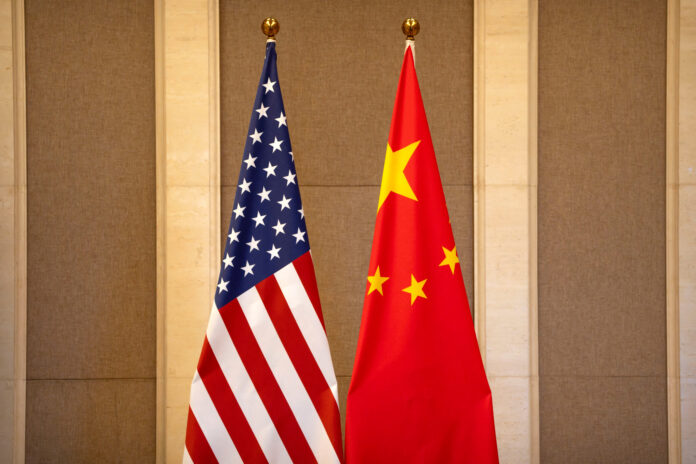
China sanctions US defence firms in a sharp escalation of tensions between Beijing and Washington, triggered by a major American arms package for Taiwan. On December 26, China announced sanctions targeting 20 US defence companies and 10 individuals linked to arms sales to the island.
The move underscores how Taiwan remains the most sensitive and destabilising issue in US-China relations. Beijing’s response signals that it is prepared to use economic and legal tools to push back against what it sees as repeated provocations.
What China Announced
China’s foreign ministry said the sanctions freeze assets held in China by the targeted firms and individuals. Domestic organisations and individuals in China are also barred from conducting business with them.
In addition, the individuals named face entry bans, effectively cutting them off from China. Those targeted include senior executives from US defence firms and the founder of a major defence technology company.
The measures mark one of Beijing’s broadest sanctions packages against the US defence sector.
Which Companies Are Affected
Among the firms named are well-known players in the US defence industry.
China included Boeing’s St. Louis branch, along with Northrop Grumman Systems Corporation and L3Harris Maritime Services. These companies play key roles in manufacturing and supplying advanced defence systems.
By targeting both corporations and individuals, China is signalling that it intends to raise personal and institutional costs for involvement in Taiwan-related arms sales.
The Trigger: US Arms Sales to Taiwan
The sanctions follow Washington’s announcement of $11.1 billion in arms sales to Taiwan, described as the largest such package ever approved.
From Beijing’s perspective, this move crosses a critical threshold. Chinese officials argue that such sales undermine regional stability and embolden Taiwan’s self-governing authorities.
The timing of China’s response suggests it was calibrated to send a clear deterrent message.
Why Taiwan Is a Red Line for Beijing
China’s foreign ministry described Taiwan as the “core of China’s core interests” and the first red line in relations with the United States.
Beijing considers Taiwan part of its territory and has consistently opposed any foreign military support for the island. Taiwan, for its part, rejects China’s sovereignty claims and maintains its own democratic government.
This fundamental disagreement lies at the heart of repeated crises between China and the US.
Washington’s Legal Position
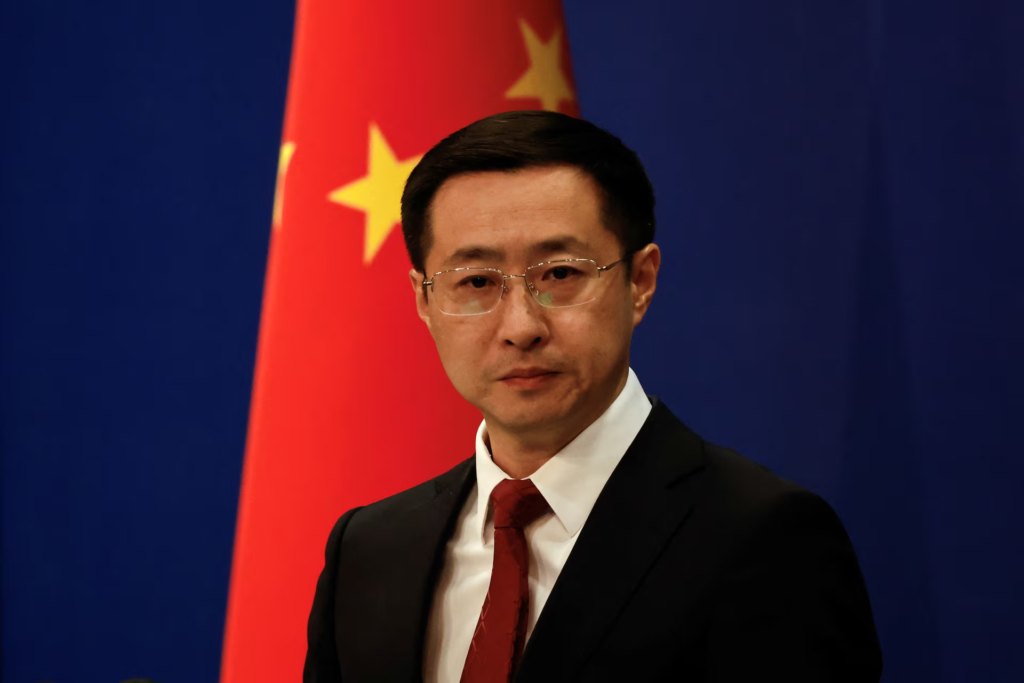
The United States is bound by domestic law to provide Taiwan with the means to defend itself.
US officials argue that arms sales are defensive in nature and intended to maintain deterrence rather than provoke conflict. However, these transactions have long been a source of friction with Beijing.
Each new arms package reinforces a cycle of action and response that continues to strain bilateral ties.
Why This Matters Now
China sanctions US defence firms at a moment when trust between the world’s two largest economies is already fragile.
The sanctions reflect Beijing’s growing willingness to use economic coercion selectively, targeting firms it believes are directly involved in sensitive security issues.
They also show that China is responding not just rhetorically but through concrete punitive measures, even if the immediate economic impact may be limited.
Limits of the SanctionsDespite their symbolism, the practical impact of the sanctions may be constrained.
Many US defence firms have limited direct exposure to the Chinese market due to existing export controls and security restrictions. However, reputational costs and future market access remain concerns.
For executives named individually, the travel bans carry personal consequences and reinforce Beijing’s message that accountability will be personal as well as corporate.
Broader Implications for US-China Relations
The sanctions add another layer of tension to an already complex relationship.
They come amid disputes over technology controls, trade restrictions, and strategic competition in the Indo-Pacific. Taiwan remains the most volatile flashpoint, with both sides unwilling to compromise on core positions.
Each escalation narrows diplomatic space and increases the risk of miscalculation.
How Allies and Partners May Read This
China’s move will be closely watched by US allies and defence partners.
Countries supplying arms to Taiwan or cooperating with the US on Indo-Pacific security may reassess their exposure to Chinese retaliation. The sanctions highlight the potential costs of involvement in Taiwan-related defence arrangements.
For smaller states, the episode underscores the pressures of navigating great-power rivalry.
What Comes Next
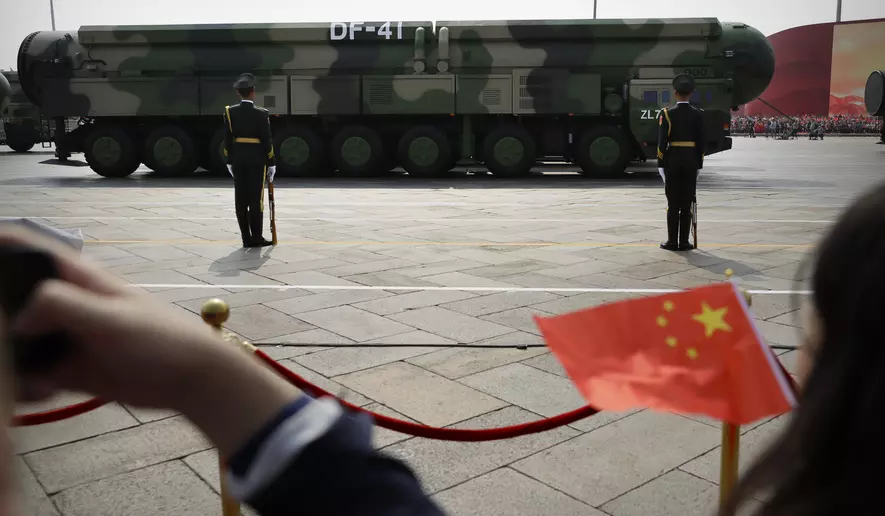
Beijing has urged Washington to halt arms sales to Taiwan and warned of further responses if such actions continue.
The US has shown no sign of reversing its policy. As a result, further sanctions or countermeasures cannot be ruled out.
Much will depend on whether either side seeks to stabilise ties through dialogue or allows the cycle of retaliation to deepen.
Conclusion
China sanctions US defence firms not merely as punishment, but as a strategic signal.
The move reflects Beijing’s determination to defend its position on Taiwan using all available tools short of direct confrontation. For Washington, it reinforces the costs of maintaining its long-standing commitment to Taiwan’s defence.
As tensions harden, the challenge for both sides will be managing rivalry without letting it tip into crisis.
Frequently Asked Questions
Why did China sanction US defence firms?
Because of US arms sales to Taiwan, which Beijing views as a violation of its core interests.
What do the sanctions involve?
Asset freezes in China, business bans, and travel restrictions on named individuals.
Will the sanctions seriously hurt US companies?
Immediate economic impact may be limited, but reputational and long-term risks exist.
Could this escalate further?
Yes. Both sides have warned of stronger responses if tensions continue.
ALSO READ: US Strike on ISIS in Nigeria Raises New Questions on Security and Sovereignty
ALSO READ: US Quarantine of Venezuelan Oil Signals New Phase in Pressure on Maduro
Pingback: Calculated Pressure: Israel Pushing US Into Iran War 5 Ways