Executive Summary
- Delhi on High Alert The News: As of Saturday, February 21, 2026, New Delhi has been placed under a severe high alert following specific intelligence inputs regarding an Improvised Explosive Device (IED) plot by the banned outfit Lashkar-e-Taiba (LeT), primarily targeting religious heritage sites in the Chandni Chowk and Red Fort areas.
- The Hidden Link: The threat is directly tied to the geopolitical fallout of the February 6 suicide bombing at a Shia mosque in Islamabad, Pakistan. While the Islamic State (ISKP) claimed responsibility for that attack, Pakistan’s attempts to shift the blame externally have seemingly agitated cross-border proxy groups seeking “revenge.”
- The Outlook: Expect a highly visible, prolonged security presence across the National Capital Region (NCR). With global events like the AI Impact Summit currently underway in Delhi, the city’s counter-terrorism grid—including AI surveillance and quick reaction teams is operating at maximum capacity.
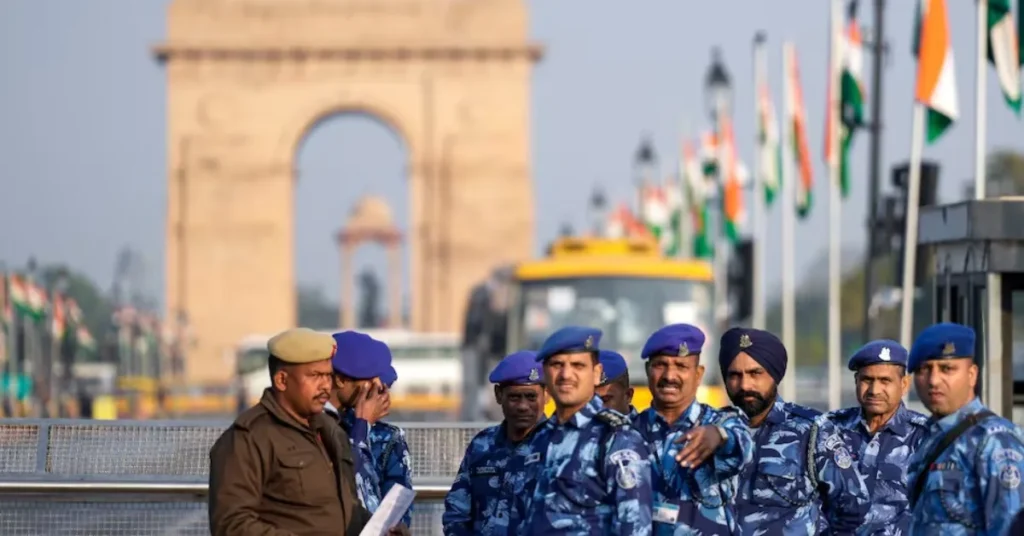
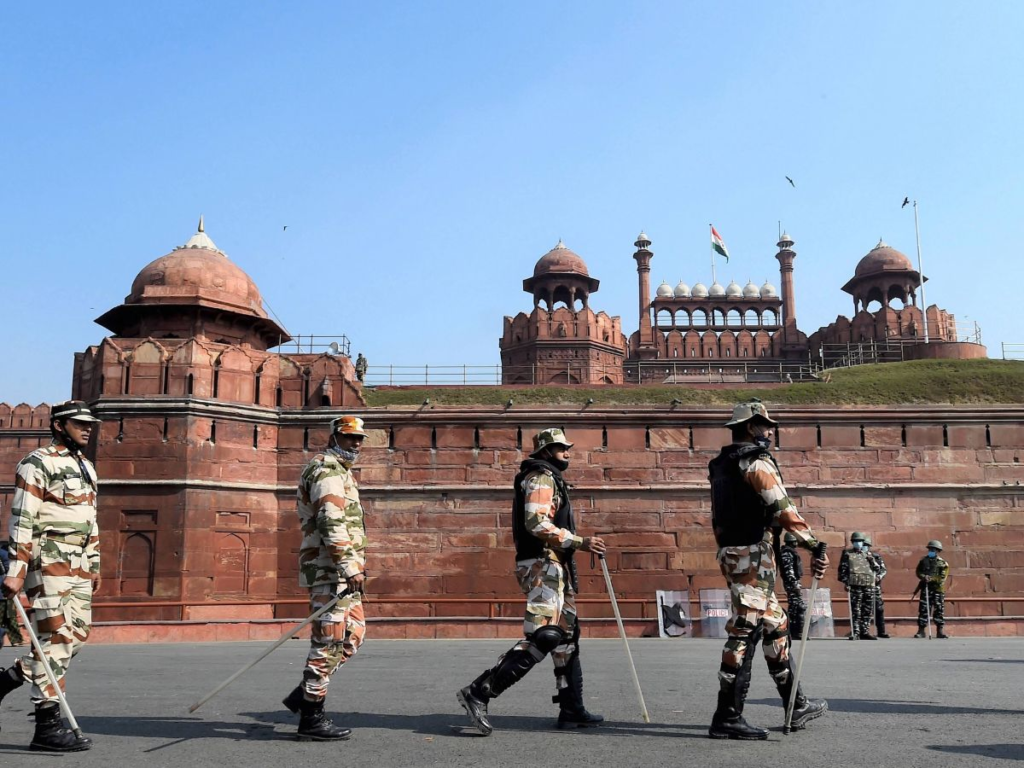
This weekend, the bustling lanes of Chandni Chowk and the historic perimeters of the Red Fort look noticeably different. The usual vibrant market chaos has been met with heavily armed commandos, bomb disposal squads, and multi-layered barricades.
Delhi is once again in the crosshairs of a major security threat. But this current high alert isn’t just a routine drill; it is the direct result of a complex, cross-border blame game that spilled over from a tragic event in a neighboring capital. Here is a comprehensive breakdown of the intelligence inputs, the geopolitical narratives, and how the city is securing itself.
The Core Analysis: The “Revenge” Motive and Misplaced Blame
To understand the heightened security in Delhi, we must look at what happened 15 days ago in Pakistan.
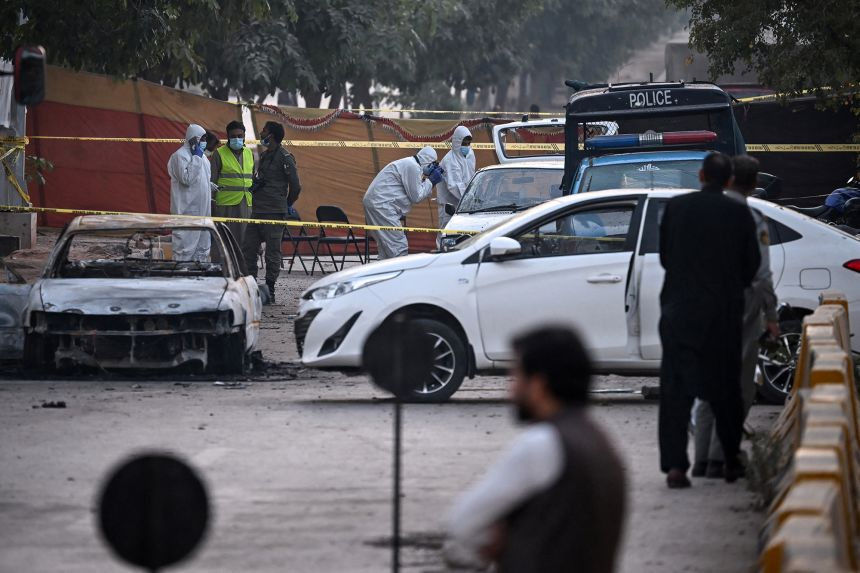
On February 6, 2026, a devastating suicide bombing targeted the Khadija Tul Kubra Shia mosque in Islamabad, claiming at least 32 lives. Within hours, the Islamic State (ISIS/ISKP) officially claimed responsibility for the massacre on its Telegram channels, framing it as part of their ongoing sectarian violence.
However, in the immediate aftermath, Pakistani defence officials publicly implied that external state actors specifically pointing fingers at India and Afghanistan were involved in funding and orchestrating the attack.
New Delhi vehemently and categorically dismissed these allegations. The Ministry of External Affairs issued a strong rebuttal, stating it was unfortunate that Pakistan chose to “delude itself by blaming others for its home-grown ills,” calling the allegations “as baseless as it is pointless.”
Despite the clear ISIS connection, intelligence agencies intercepted communications revealing that Pakistan-based Lashkar-e-Taiba (LeT) handlers are allegedly using this false “revenge” narrative to radicalize foot soldiers and plot retaliatory IED strikes against prominent Hindu temples in India.
The Ground Reality: Securing Chandni Chowk
The intelligence inputs received prior to Republic Day, and specifically refreshed this Saturday, are highly targeted.
The primary threat centers around a prominent temple in the crowded Chandni Chowk area, mere hundreds of meters from the Red Fort. Because these areas attract tens of thousands of daily visitors and were recently focal points for Mahashivratri celebrations, the potential for mass casualties is high.
The Tactical Response by Delhi Police:
- Strategic Deployment: A DCP-rank officer, flanked by specialized commandos, has been permanently stationed at highly sensitive religious sites.
- Surveillance Nets: AI-powered CCTV monitoring, which was massively upgraded ahead of the 2026 Republic Day, is being used to track suspicious vehicular and pedestrian movement in real-time.
- Inter-Agency Coordination: The Delhi Police Special Cell is working in tandem with the National Investigation Agency (NIA) and central intelligence bureaus to track sleeper cell communications, particularly those attempting to recruit local organized crime syndicates.
The Historical Parallel: The November 2025 Echoes
Security agencies are taking zero chances, primarily because the city is still recovering from a recent breach.
Just months ago, on November 10, 2025, a deadly car explosion occurred near Gate 1 of the Red Fort Metro Station, resulting in over a dozen fatalities. That blast exposed a deeply entrenched terror module linked to Jaish-e-Mohammed, leading to sweeping arrests across Faridabad and Kashmir. The NIA only recently received a court extension to finalize their chargesheet for that November attack. The psychological and tactical proximity of this new LeT threat to the site of the November bombing has put the entire security apparatus on a hair-trigger.
[Recent Timeline of Regional Security Events]
| Date | Incident / Security Update | Strategic Context |
| Nov 10, 2025 | Red Fort Metro Station Explosion | Exposed a major cross-border sleeper cell network; NIA currently investigating. |
| Feb 6, 2026 | Islamabad Mosque Attack | ISIL claims responsibility for the tragic blast, but Pakistan hints at external involvement. |
| Feb 21, 2026 | Delhi High Alert Initiated | Intelligence flags potential IED threats in Chandni Chowk by LeT, motivated by false “revenge” narratives. |
Delhi on High Alert Future Outlook: The Public’s Role
While the heavy police presence might seem alarming, officials have stressed that these measures are entirely precautionary. With Delhi currently hosting international delegates for the India AI Impact Summit, maintaining an impenetrable security blanket is non-negotiable.
Law enforcement continues to urge the public to remain vigilant. The most effective counter-terrorism tool in a densely populated urban center like Delhi is an alert citizenry. If you see unattended baggage, suspicious vehicles, or unusual activity, utilizing emergency helplines is paramount.
Final Verdict: The current alert in Delhi highlights a dangerous reality of modern geopolitics: when a neighboring state struggles to manage its internal extremism and deflects blame, the ripple effects directly threaten the stability and security of surrounding nations.
Frequently Asked Questions
Why is there a high security alert in Delhi today?
Delhi is on high alert due to credible intelligence inputs suggesting that the banned terrorist organization Lashkar-e-Taiba (LeT) is plotting an IED attack targeting prominent religious sites, particularly around the Chandni Chowk and Red Fort areas.
How is the Islamabad blast connected to the Delhi threat?
Following the February 6, 2026, Shia mosque bombing in Islamabad, Pakistani officials implied external involvement. Intelligence suggests LeT handlers are using this baseless allegation to fuel a “revenge” narrative and justify planning retaliatory strikes in India, despite the Islamic State claiming responsibility for the Pakistan attack.
Is it safe to visit Chandni Chowk and the Red Fort right now?
While the areas remain open, there is a massive and highly visible security presence, including commandos, barricades, and vehicle checks. Visitors should expect delays, carry proper identification, and remain highly vigilant, reporting any suspicious activity to the authorities immediately.
ALSO READ: Trump new 10% global tariff: Why India’s Tariff Dropped to 10% After Trump’s Supreme Court Defeat
Delhi on High Alert: Why Delhi is on High Alert Following the Islamabad Blast
Executive Summary Delhi on High Alert The News: As of Saturday, February 21, 2026, New…

US Iran Conflict Oil Prices Impact: How a US-Iran Conflict Could Rewire Global Oil and Hit India 2026
Executive Summary US Iran conflict oil prices impact The News: As President Donald Trump openly…
Trump new 10% global tariff: Why India’s Tariff Dropped to 10% After Trump’s Supreme Court Defeat
Executive Summary Trump new 10% global tariff The News: In a massive 6-3 decision, the…

Google Gemini 3.1 Detailed Review and Comparison: Decoding the Gemini 3.1 Upgrade and the February Outage
Executive Summary Google Gemini 3.1 Review The News: Google has officially rolled out Gemini 3.1…

The 2026 India-EU Free Trade Agreement :”Mother of all deals or A Loophole to enter India”
Executive Summary (The “Global Angle”) The News: On January 27, 2026, after two decades of…
Trump JPMorgan lawsuit 2026: Why JPMorgan is Moving Trump’s Lawsuit to Federal Court
Executive Summary Trump JPMorgan lawsuit 2026 The News: JPMorgan Chase has aggressively pushed back against…