F1 vs Mercedes key takeaways –
- The News: The FIA has launched an emergency e-vote to close a controversial engine loophole, threatening to outlaw Mercedes’ ingenious compression ratio design by August 1, 2026.
- The Hidden Link: Red Bull Powertrains, initially suspected of using the exact same trick, has defected to form a supermajority against Mercedes after failing to replicate the performance gains
- The Outlook: If the FIA retroactively bans the engine mid-season, Mercedes is preparing for unprecedented legal action in civil courts, which could financially paralyze the sport’s cost-cap ecosystem.
The 2026 Formula 1 season has not even officially begun, but the paddock is already engulfed in a constitutional crisis. With the sport entering its most radical era of technical regulations in a decade, the battle lines have shifted from the wind tunnel to the boardroom.
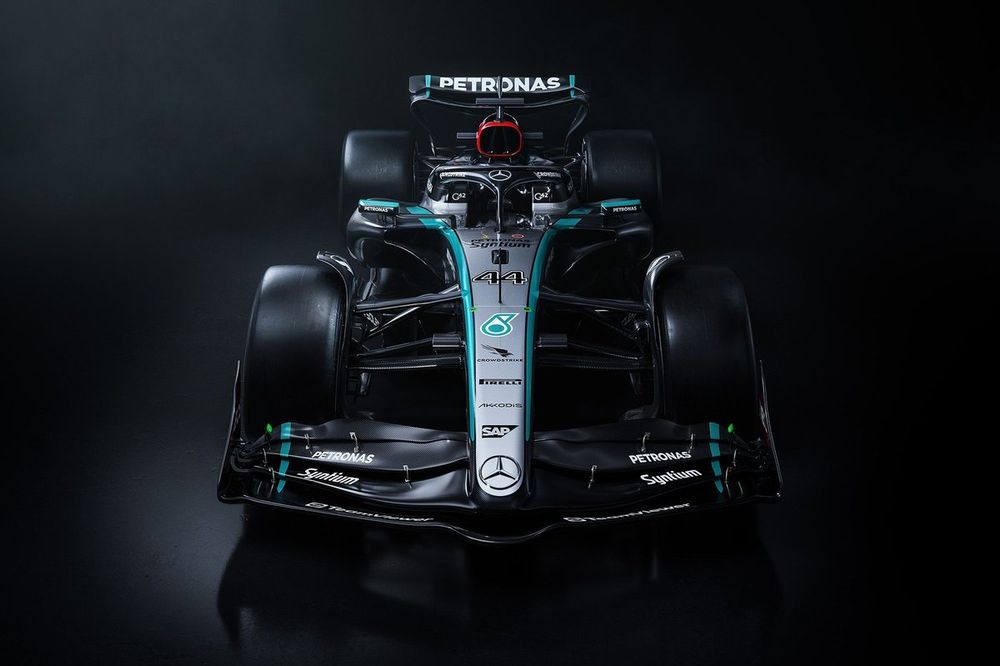
At the center of the storm is a single, seemingly innocuous sentence in the FIA technical rulebook regarding how an engine is measured. Mercedes has interpreted this sentence with surgical precision, extracting a massive performance advantage. Rival teams are furious. The FIA is scrambling to rewrite the rules. And Mercedes is threatening to drag the entire sport into a courtroom if they do.
Here is the unbiased breakdown of the engineering, the politics, and the legal threats defining the start of the 2026 grid.

The Core Analysis: The 1:16 vs. 1:18 Thermal Trick
To understand the controversy, you have to look at the physics of the internal combustion engine (ICE).
Under the previous regulations, F1 engines operated with a geometric compression ratio of 18:1. To help attract new manufacturers like Audi and Ford for 2026, the FIA lowered this limit to 16:1, making it an easier engineering target. Crucially, Article C5.4.3 of the regulations dictates that this ratio must be measured at ambient temperature—meaning when the engine is turned off and cold in the garage.
Mercedes engineers realized a fundamental law of thermodynamics: metal expands when heated.
By utilizing highly specific alloys, the Mercedes power unit complies perfectly with the 16:1 limit during the FIA’s cold garage checks. However, when the engine hits its operating temperature of roughly 130°C on the track, the thermal expansion of the internal components pushes the piston closer to the cylinder head. This effectively raises the compression ratio back toward 18:1 during the race.
The result? An estimated performance uplift of 10kW to 13 horsepower. In Formula 1 terms, this equates to roughly 0.3 to 0.4 seconds per lap. It is a devastating, championship-winning margin.
Mercedes Team Principal Toto Wolff has been unapologetic. His defense is bulletproof in its literalness: the engine passes the mandated test exactly as written. Furthermore, Mercedes reportedly kept the FIA informed during the development phase and received written clarification that their interpretation was legal.
The Historical Parallel
This situation perfectly mirrors the legendary 2009 Brawn GP “Double Diffuser” controversy. Like Mercedes today, Ross Brawn read the exact wording of a new regulatory era and found a geometric gap. Rivals claimed it violated the “spirit” of the rules and demanded an immediate ban. The FIA ultimately ruled in Brawn’s favor because the engineering adhered strictly to the written text, proving that in F1, the “spirit” of the law means nothing compared to the letter of the law.
The Politics of the Paddock: Red Bull’s Defection
While Ferrari, Audi, and Honda immediately lodged formal complaints, Red Bull Racing remained noticeably silent throughout the winter.
Paddock consensus assumed Red Bull Powertrains had discovered the same loophole. However, paddock insiders now suggest Red Bull attempted the thermal expansion trick but could not replicate the stable horsepower gains Mercedes achieved. Realizing they were staring down a massive deficit, Red Bull shifted their allegiance.
They turned their back on Mercedes and joined the opposition. This political pivot is critical. To push a rule change this late in the game requires a “supermajority” (four of the five engine manufacturers, plus the FIA and FOM). Red Bull’s defection provided the exact votes needed to challenge Mercedes.
This week, the FIA launched an e-vote proposing a new measurement protocol: starting August 1, 2026, compression ratios will be measured not just cold, but also heated to 130°C.
The Legal Threat: Total War
Mercedes is not taking this lying down. Changing an engine regulation mid-season after a manufacturer has spent tens of millions of dollars under a strict budget cap is virtually unprecedented.
Mercedes-Benz Chairman Ola Källenius and Toto Wolff are reportedly prepared to initiate “total war.” If the FIA forces the August 1 rule change, Mercedes has threatened legal action in standard civil courts, citing immense financial damages and unfair regulatory practices. They argue that penalizing a team for out-engineering the grid based on the FIA’s own poorly written rulebook is a breach of sporting integrity.
| F1 Faction | Stance on 16:1 Regulation | Strategic Motivation |
| Mercedes | Strict text interpretation (Ambient measurement only) | Protect a multi-million dollar R&D investment and a ~13hp advantage. |
| Red Bull / Ford | Demand “hot testing” at 130°C | Erase Mercedes’ advantage after failing to master the thermal expansion trick. |
| Audi, Ferrari, Honda | Demand immediate regulatory closure | Ensure a level playing field for the new engine era. |
| FIA | Proposing a mid-season rule change (August 1) | Attempting to appease the majority while desperately avoiding a lawsuit. |
Future Outlook: The Next 6 Months
The outcome of the FIA’s 10-day e-vote will dictate the entire 2026 season. Here is what to watch for:
- The Injunction: If the supermajority votes to enforce hot-testing by August 1, expect Mercedes’ legal team to file an immediate injunction to delay the implementation until 2027.
- The “Split” Championship: If the rule change holds, Mercedes will dominate the first half of the season but will be forced to introduce a heavily downgraded “B-spec” power unit after the summer break.
- Cost Cap Chaos: Redesigning a combustion chamber mid-season will obliterate Mercedes’ development budget, likely forcing them to sacrifice aerodynamic upgrades to fund the engine compliance.
Final Verdict: Formula 1 is fundamentally an engineering competition. Historically, the sport rewards those who read the grey areas of the rulebook best. If the FIA penalizes Mercedes for doing exactly what the rules permit, it sets a dangerous legal precedent for the future of motorsport innovation.
Frequently Asked Questions
What is a compression ratio in F1?
It is the ratio between the maximum and minimum volume of the engine’s cylinder during a piston stroke. A higher compression ratio extracts more mechanical energy from a given air-fuel mixture, resulting in greater horsepower and fuel efficiency.
Why did Red Bull vote against Mercedes?
While initially silent, Red Bull (partnering with Ford Powertrains) reportedly realized they could not successfully replicate the performance gains of the Mercedes thermal expansion trick. To prevent Mercedes from running away with the championship, they joined Ferrari, Audi, and Honda to form the supermajority needed to vote for a rule change.
Can the FIA legally change the rules mid-season?
Yes, but usually only for explicit safety reasons. Changing a performance-based technical regulation mid-season requires a supermajority vote from the teams. Because Mercedes received prior clarification from the FIA that their design was legal, a retroactive ban exposes the governing body to massive civil lawsuits regarding financial damages under the cost cap.
Also Read – https://theglobalangle.com/2026-winter-olympics-womens-free-skating/