
ICE Shooting Minneapolis: What Happened and Why It Matters
Introduction
ICE shooting Minneapolis has become a flashpoint in America’s immigration and policing debate after a federal immigration agent fatally shot a 37-year-old woman during a confrontation in the city. The incident has triggered sharply conflicting narratives from Washington and Minnesota officials, raising serious questions about use of force, accountability, and federal enforcement tactics.
What happened on a residential street in Minneapolis is now reverberating far beyond the city, touching on civil rights, federal authority, and public trust.
What Happened in Minneapolis
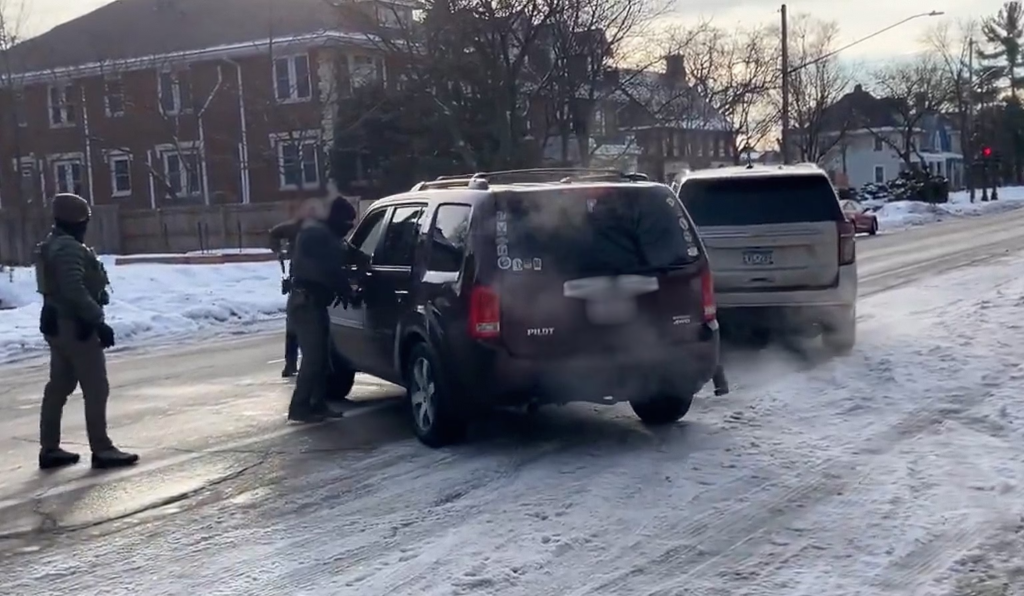
The shooting occurred around 10:25 a.m. when federal immigration agents approached a woman seated in a maroon SUV that was blocking a residential roadway. Video footage circulating online shows agents attempting to open the vehicle’s door as protesters stood nearby.
Moments later, the vehicle began to move. An agent positioned near the front of the SUV fired multiple shots. The vehicle then crashed into a parked car. The woman, later identified as Renee Nicole Good, was pronounced dead.
Local police confirmed that she was inside the vehicle when approached and attempted to drive away. Whether the agent was struck or in imminent danger remains disputed.
Competing Accounts From Washington and Minnesota
Federal officials described the woman as a violent actor who attempted to weaponise her vehicle against officers. The U.S. administration framed the shooting as an act of self-defence during a dangerous enforcement operation.
Minnesota leaders rejected that account. The Minneapolis mayor accused federal agents of reckless conduct and said the killing reflected a misuse of power. State officials urged the public not to accept what they described as political propaganda before a full investigation.
The stark divergence in narratives has deepened mistrust between local authorities and federal immigration agencies.
Why ICE Was Operating in Minneapolis
The deployment of hundreds of immigration agents to Minneapolis followed allegations of large-scale welfare and childcare fraud in the state. Federal authorities said the operation aimed to enforce deportation orders and investigate financial crimes.
Local officials countered that the presence of ICE had escalated tensions, disrupted communities, and endangered public safety. Minneapolis leaders said immigration enforcement was spilling into routine civic life, including near schools and residential areas.
The operation is one of the largest federal immigration deployments in a U.S. city in recent years.
Public Reaction and Protests
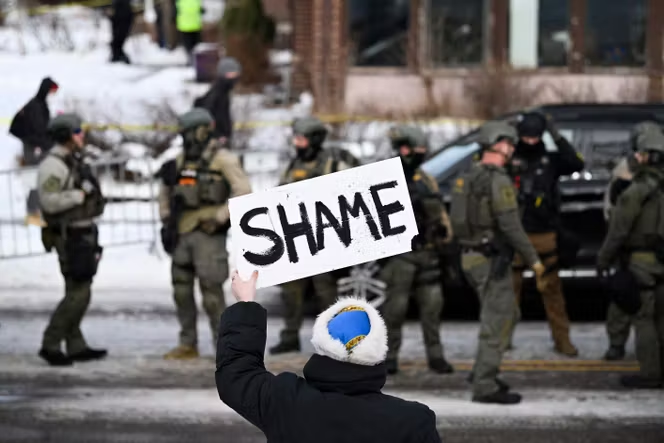
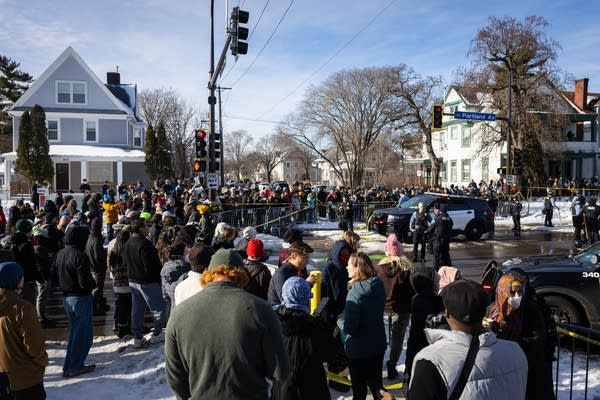
The killing sparked immediate protests across Minneapolis, with residents demanding ICE leave the city. Demonstrations were later organised in other U.S. cities as well.
Community leaders linked the incident to broader concerns about militarised immigration enforcement and racial targeting. The shooting occurred roughly a mile from the site where George Floyd was killed in 2020, intensifying emotional and historical resonance.
Schools in Minneapolis cancelled classes, citing safety concerns amid heightened unrest.
Federal Investigation and Accountability Questions
Federal authorities said the shooting will be investigated, with the FBI tasked with reviewing the incident. Officials confirmed the agent involved was previously injured in another line-of-duty incident earlier this year.
Key questions remain unresolved:
Was lethal force necessary?
Did the situation meet the threshold for self-defence?
Were crowd-control and de-escalation protocols followed?
Until independent findings are released, the credibility gap between federal and state authorities is likely to widen.
Bigger Implications for Immigration Enforcement
The ICE shooting Minneapolis incident highlights the growing friction between federal immigration policy and local governance. As immigration enforcement expands into cities resistant to aggressive tactics, clashes over authority and accountability are becoming more frequent.
It also raises concerns about transparency when federal agencies operate in civilian spaces amid protests. For many Americans, the case underscores how immigration policy is no longer confined to borders but is reshaping urban policing itself.
Conclusion
The death of a woman during an ICE operation has become more than a tragic encounter. It is a test of accountability, truth, and the limits of federal power in American cities.
As investigations proceed, the question is no longer just about what happened in Minneapolis, but whether institutions can restore trust when narratives diverge so sharply.
Can enforcement coexist with public safety without crossing irreversible lines?
Frequently Asked Questions
1. What is the ICE shooting Minneapolis incident?
It refers to a fatal shooting of a woman by a U.S. immigration agent during an enforcement operation in Minneapolis.
2. Was the shooting ruled self-defence?
Federal authorities claim self-defence, but local and state officials dispute this. Investigations are ongoing.
3. Why were ICE agents deployed in Minneapolis?
The deployment followed federal allegations of welfare and childcare fraud and efforts to enforce deportation orders.
4. Who is investigating the incident?
Federal authorities have said the FBI will investigate the shooting to determine accountability.
ALSO READ: Trump Says Venezuela Will Give Oil to U.S: What Changes for Energy and Diplomacy
ALSO READ: Why Trump Wants Greenland and Why It Alarms Europe

Pingback: Explosive Standoff: Mamata Banerjee ED Raid Controversy 5 Signals
Pingback: Critical Shift: 5 Impacts of Trump’s Donroe Doctrine in 2026
Pingback: Breaking Shift: 5 Impacts When Trump Says US Will Hit Drug Cartels on Land