Imran Khan Release Protests Pakistan: Street Pressure Builds on the State
Introduction
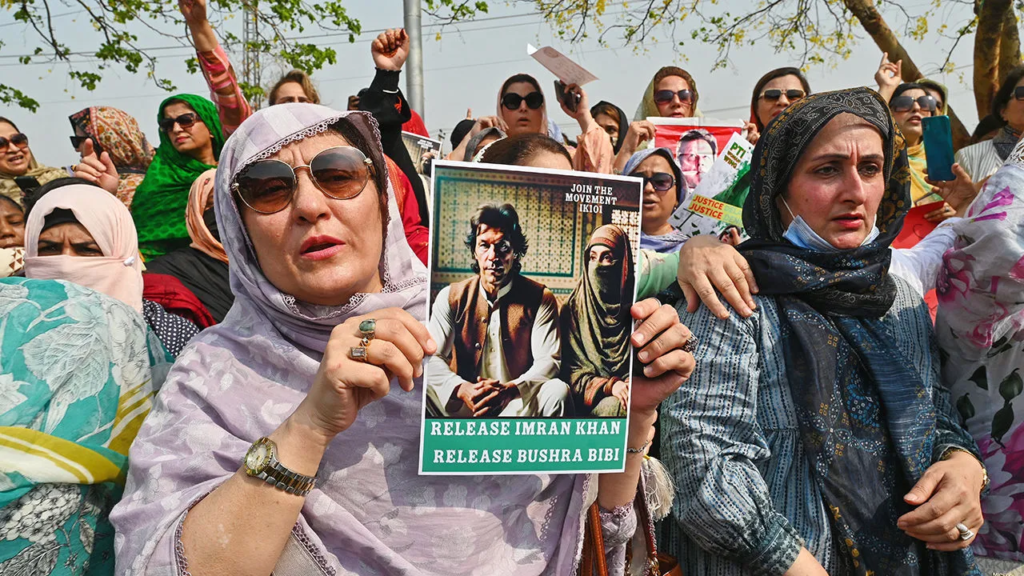
Imran Khan release protests Pakistan are entering a decisive phase as political mobilisation intensifies across the country. The Pakistan Tehreek-e-Insaf (PTI) has announced a “full-force” street movement, saying the action follows direct instructions from its jailed founder.
The government, however, has pushed back strongly, accusing PTI leaders of exploiting protests to fuel unrest and undermine public order. The standoff reflects deeper instability in Pakistan’s political system, where incarceration, street power, and state authority continue to collide.
What the PTI Has Announced
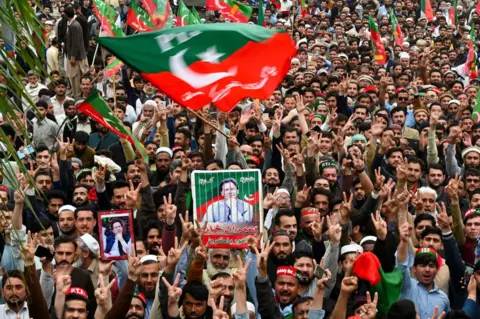
According to statements cited by ANI, PTI plans to launch a nationwide street movement demanding Imran Khan’s release from jail. Khyber Pakhtunkhwa Chief Minister Ali Amin Gandapur Afridi said the party would mobilise supporters at full scale.
PTI leaders insist the movement is political and constitutional in nature. They argue that sustained public pressure is necessary to challenge what they describe as politically motivated cases against Khan.
The announcement signals a shift from episodic protests to a more coordinated strategy.
Government’s Response and Allegations
Pakistan’s government has accused PTI of using protests as a cover for chaos. Officials claim demonstrations are being leveraged to incite disorder, disrupt governance, and challenge the writ of the state.
Authorities argue that street mobilisation risks destabilising an already fragile security and economic environment. PTI has rejected these accusations, maintaining that the protests are peaceful and aimed solely at securing political justice.
This clash of narratives has hardened positions on both sides.
Why Imran Khan’s Detention Remains Central
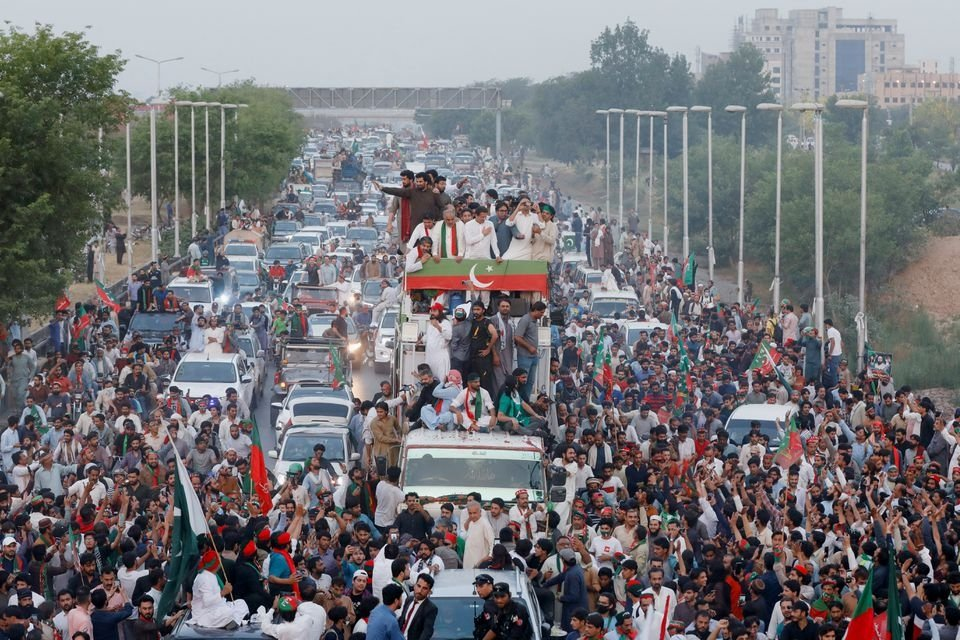
Imran Khan’s imprisonment continues to be the emotional and political core of PTI’s mobilisation. For his supporters, Khan represents resistance against entrenched power structures.
For the state, his detention is framed as the result of legal proceedings, not political vendetta. The lack of consensus on legitimacy has kept tensions alive, preventing de-escalation.
As long as Khan remains in jail, PTI appears unwilling to retreat from street politics.
Street Politics and Pakistan’s Political History
Imran Khan release protests Pakistan fit into a long tradition of street-led political pressure in the country. Mass mobilisation has historically been used to force negotiations, resignations, or judicial interventions.
However, repeated reliance on street power has also weakened institutional pathways for dispute resolution. Each cycle of protest deepens mistrust between political parties and state institutions.
The current mobilisation risks reinforcing that pattern rather than breaking it.
Why This Matters Now
The timing of PTI’s “full-force” movement is critical.
Pakistan is facing economic stress, governance challenges, and persistent security concerns. Large-scale protests add pressure to law enforcement and administrative systems already stretched thin.
For investors, diplomats, and regional observers, escalating protests raise questions about stability and continuity of policy.
Federal–Provincial Dimensions
The involvement of the Khyber Pakhtunkhwa chief minister adds a federal–provincial dimension to the confrontation. A provincial government openly backing street agitation against the federal setup sharpens institutional friction.
This blurring of lines between governance and protest complicates crisis management. It also raises concerns about administrative neutrality during political mobilisation.
Such dynamics make compromise harder.
Limits of Street Pressure
While PTI has demonstrated its capacity to mobilise supporters, sustained protests carry risks.
Extended agitation can lead to fatigue, loss of public sympathy, or clashes that shift focus away from political demands. The government appears to be betting that firm enforcement and narrative control will blunt PTI’s momentum.
Whether street pressure can translate into concrete political outcomes remains uncertain.
What Comes Next
Several paths remain open.
PTI could escalate protests further, forcing negotiations or judicial scrutiny. The government could tighten controls, risking confrontation but asserting authority. A third possibility is mediated dialogue, though current rhetoric suggests little appetite for compromise.
The trajectory will depend on how protests unfold on the ground and how the state responds.
Bigger Implications for Pakistan’s Democracy
Imran Khan release protests Pakistan highlight unresolved questions about democratic accountability.
When political conflicts repeatedly move from courts to streets, institutions lose credibility. At the same time, suppressing political expression risks alienating large sections of the population.
Pakistan’s challenge is not just managing this protest cycle, but rebuilding trust in political and legal processes.
Conclusion
The growing calls for Imran Khan’s release are not just about one leader’s fate. They reflect deeper anxieties about power, justice, and participation in Pakistan’s political order.
As street mobilisation intensifies, the country faces a familiar test: whether confrontation will harden divisions, or whether political actors can find a path away from perpetual crisis.
Can Pakistan break its dependence on street politics, or is escalation now inevitable?
Frequently Asked Questions
Why is PTI launching fresh protests?
PTI says it is acting on Imran Khan’s directions to demand his release.
What does the government allege?
The government accuses PTI of using protests to create unrest and challenge public order.
Are the protests nationwide?
PTI leaders have indicated plans for large-scale mobilisation across regions.
What is at stake politically?
The protests could reshape power dynamics between PTI, the government, and state institutions.
ALSO READ: Unrest in Bangladesh Escalates as Violence, Diplomacy and Fear Collide
ALSO READ: Bangladesh Protests 2025: Unrest After Sharif Osman Hadi’s Death Explained