Executive Briefing (Update: March 2026)
For observers tracking global geopolitics, the Russia-Ukraine war can no longer be analyzed in a vacuum. As of March 24, 2026, a grueling war of attrition in Eastern Europe is directly colliding with the sudden eruption of a major conflict in the Middle East. We analysed the Iran War Impact On Russia Ukraine War.
- The Grinding Stalemate: As the spring 2026 offensive begins, the military reality is anchored in localized attrition. Russia is focusing high-casualty assaults on the Donetsk “Fortress Belt,” while Ukraine has escalated long-range asymmetric drone strikes deep into Russian territory.
- The Middle East Shockwave: The sudden eruption of conflict between the U.S. and Iran has fundamentally altered the European theater. Western air-defense systems are being aggressively diverted to the Persian Gulf, while spiking global oil prices provide a crucial financial windfall for Moscow.
- The Diplomatic Freeze: U.S.-brokered trilateral negotiations aiming for a June 2026 ceasefire are currently paused. Core disagreements remain insurmountable, with Moscow demanding territorial recognition and Kyiv requiring legally binding, “Article 5-like” Western security guarantees.
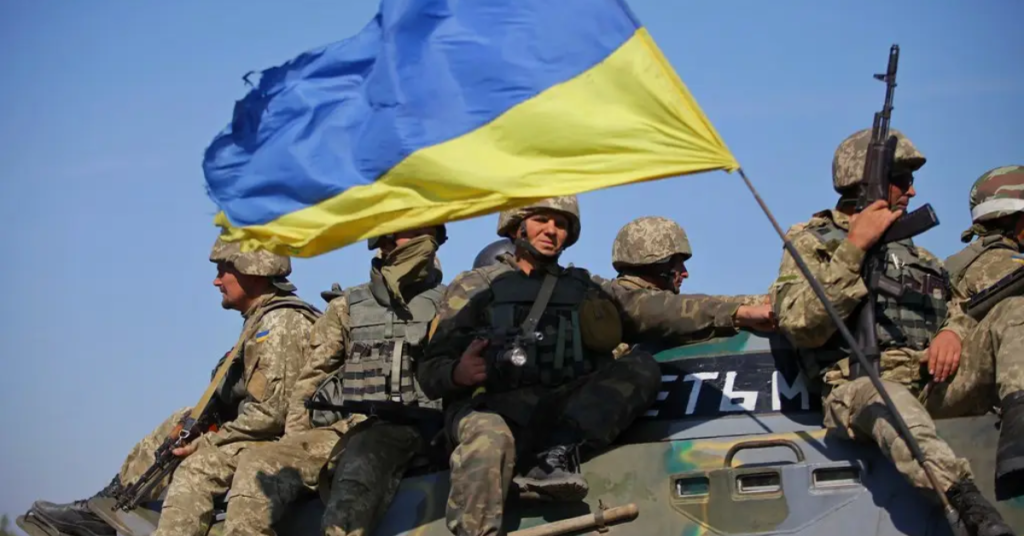
The intertwining of these two global crises is actively reshaping the battlefield, straining international supply chains, and freezing the negotiating table. Here is the complete geopolitical analysis of the current tactical situation, the economic ripple effects of the Middle East war, and the realistic timeline for a ceasefire.
The Battlefield Update: A War of Attrition
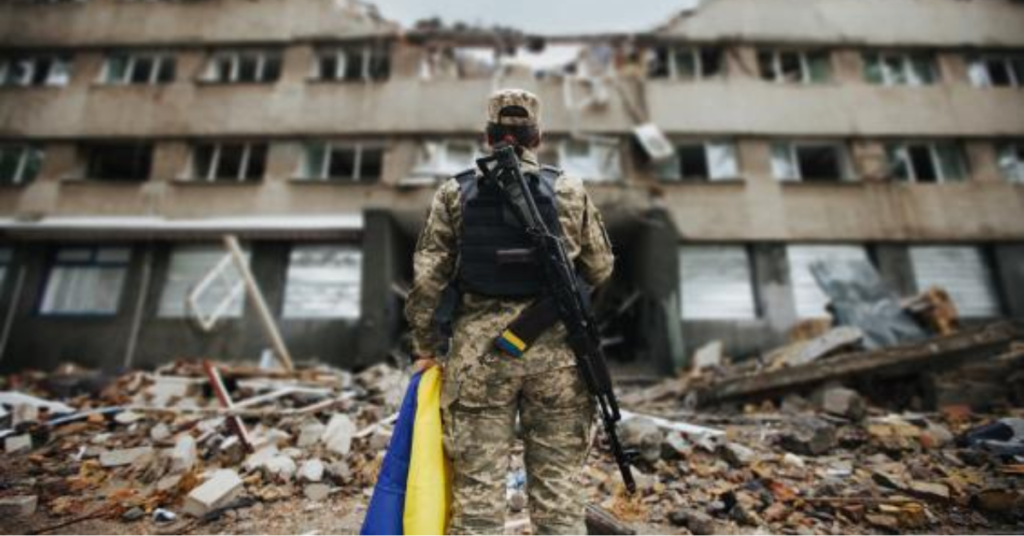
As of late March 2026, the military situation is defined by high-intensity, localized combat. Russian forces have initiated their anticipated spring offensive, heavily targeting Ukraine’s defensive lines in the Donetsk region—specifically the string of fortified cities anchoring the eastern front.
While Russian forces continue to secure incremental territorial gains (averaging 15 to 70 meters per day in active sectors), the attrition rate is staggering. Recent independent estimates indicate total Russian casualties since the war’s onset have surpassed 1.2 million personnel.
In response to the sheer mass of Russian infantry, Ukraine has heavily adapted its tactics. Kyiv is relying on its domestic defense sector, executing long-range drone strikes up to 800 kilometers across the border to target Russian oil refineries, logistics hubs, and military aviation repair plants. Furthermore, regional tensions are expanding, with recent intelligence indicating that Russia is constructing new ground control stations for long-range attack drones in neighboring Belarus.
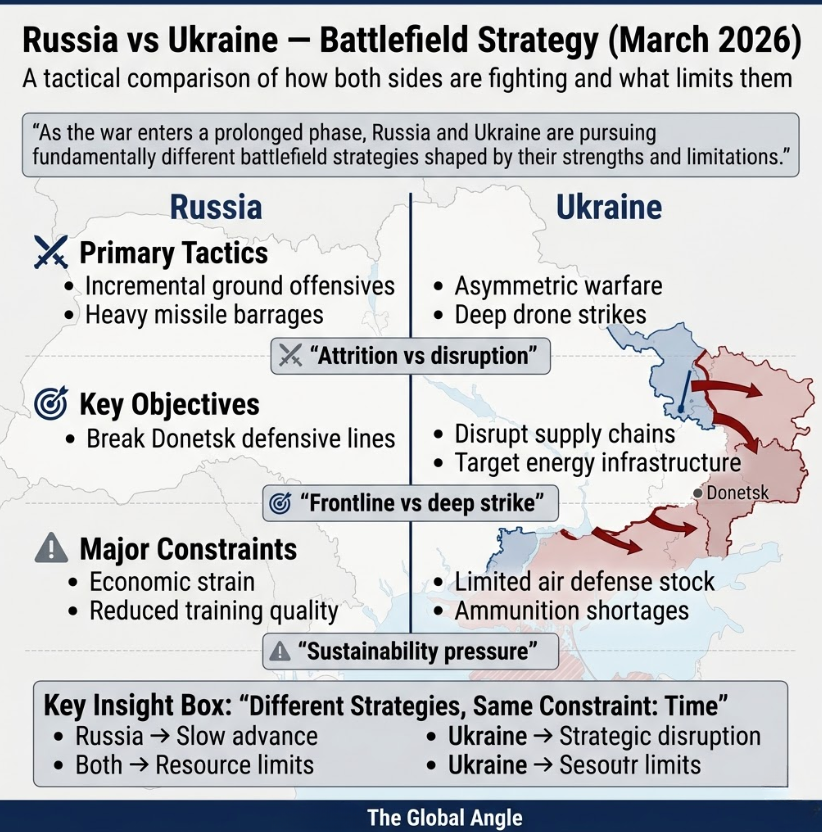
Russia Ukraine War Tactical Overview (March 2026)
| Strategic Element | Russian Forces | Ukrainian Forces |
| Primary Tactics | Incremental, high-casualty ground offensives; sustained ballistic missile salvos. | Asymmetric warfare; deep-strike drone campaigns on Russian energy and military infrastructure. |
| Key Objectives | Breaching the Donetsk “Fortress Belt” before the summer months. | Disrupting supply lines, demoralizing rear-echelon forces, and degrading Russian oil refining capacity. |
| Major Constraints | Mounting economic strain; heavy reliance on abbreviated infantry training cycles. | Diminishing reserves of high-end Western air-defense interceptors and artillery shells. |
How the Middle East War is Changing Europe
The outbreak of direct military confrontation involving the United States, Israel, and Iran has snapped global attention toward the Persian Gulf. This Middle Eastern crisis is actively shifting the strategic balance in Eastern Europe, primarily to Moscow’s advantage.
The impact flows through three primary channels:
- The Global Energy Windfall for Moscow: Western sanctions and Ukrainian drone strikes had pushed Russia’s energy revenues down late last year. However, the conflict in Iran has spooked global energy markets, pushing Brent crude oil well above $80 a barrel. To cope with supply shortages, the U.S. has reportedly considered temporary waivers on some Russian oil sanctions. This price surge provides Moscow with a massive, unexpected economic lifeline to finance its defense budget.
- The Air-Defense Squeeze: The most immediate battlefield spillover for Ukraine is the diversion of military resources. Advanced U.S. air-defense systems, particularly PAC-3 Patriot interceptors, are in critical demand to protect U.S. and allied assets in the Middle East. This strategic diversion leaves Ukrainian cities and energy grids increasingly vulnerable to Russian strikes.
- Diplomatic Distraction: The war in Iran is absorbing the diplomatic and military bandwidth of Washington. With the U.S. heavily focused on the Persian Gulf, Kyiv faces the immense challenge of keeping European security at the top of the international agenda and preventing “aid fatigue” among Western allies.
Middle East Impact: The Military Resource Diversion
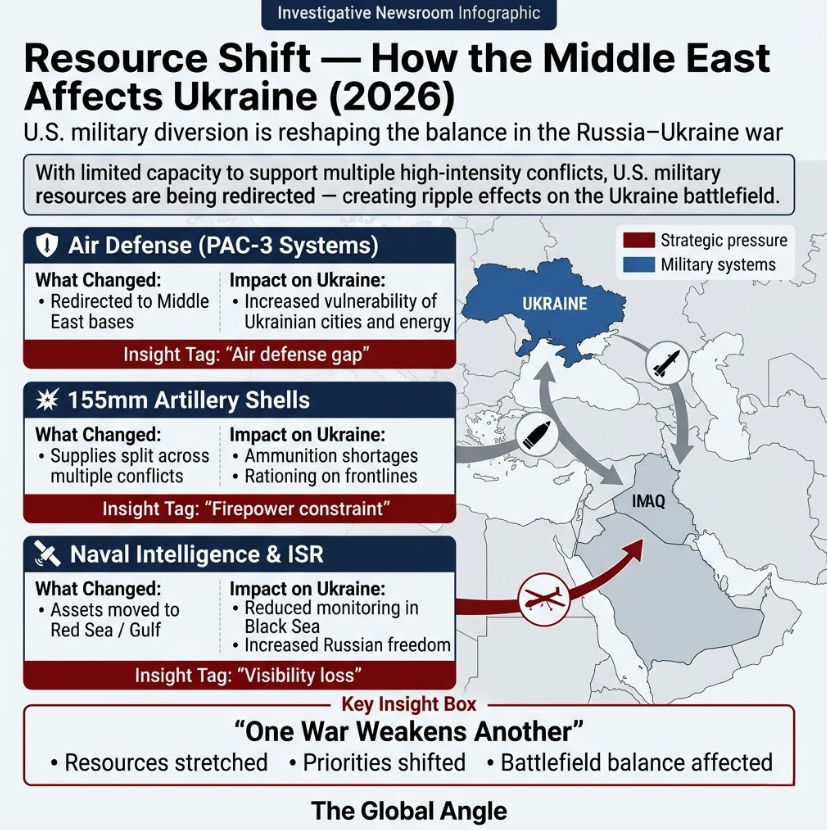
The U.S. defense industrial base is currently incapable of fully supplying two high-intensity conflicts simultaneously. The Middle East crisis has forced a brutal triage of Western military assets.
Iran War Impact On Russia Ukraine War
| Military Asset | Pre-2026 Deployment Focus | Current March 2026 Reality | Impact on Ukraine |
| PAC-3 Patriot Missiles | Defending Kyiv and Odesa from Russian ballistic missiles. | Aggressively rerouted to protect U.S. bases in the Gulf from Iranian strikes. | Severe vulnerability of Ukrainian energy grids and civilian infrastructure. |
| 155mm Artillery Shells | Sustaining the Eastern Ukrainian frontline defenses. | Split allocations to restock Israeli and U.S. Middle East depots. | Imposition of strict daily shell-rationing for Ukrainian frontline units. |
| Naval Intelligence & ISR | Monitoring the Black Sea Fleet and grain corridor. | Carrier Strike Groups and surveillance drones diverted to the Red Sea/Gulf. | Increased operational freedom for Russian naval assets in the Black Sea. |
When Can Peace Talks Be Expected?
Driven by a shift in U.S. administration policy aimed at rapid conflict resolution, early 2026 saw a flurry of diplomatic activity. U.S. envoys brokered trilateral talks (U.S., Ukraine, Russia) in Geneva, with Washington reportedly pushing for a comprehensive peace agreement by June 2026.
However, the path to a ceasefire is currently frozen.
The eruption of the Middle East war has given Moscow less incentive to negotiate while its oil revenues remain high and Western attention is divided. As of late March, the Kremlin confirmed a temporary pause in the trilateral negotiations, claiming the U.S. is too distracted to negotiate in good faith.
Even if talks resume, massive hurdles remain. The diplomatic deadlock is rooted in mutually exclusive core demands: Moscow is threatening to halt peace talks unless Ukraine is willing to cede territory, while Kyiv refuses to surrender land without robust, legally binding security guarantees from NATO allies. A freeze in the conflict may only be possible if the U.S. can successfully leverage economic incentives to bridge the massive gap between the two warring nations, pushing any realistic ceasefire timeline well past the initial June target.
Frequently Asked Questions
Why are peace talks for the Russia-Ukraine war currently paused?
Trilateral peace talks are paused due to insurmountable disagreements over core demands (territorial concessions vs. security guarantees). Additionally, the sudden conflict in the Middle East has diverted the diplomatic focus of the United States, which was acting as the primary mediator, providing Russia with leverage to stall negotiations.
How is the Middle East war directly affecting Ukraine’s military?
The U.S.-Iran conflict is negatively impacting Ukraine by stretching the U.S. defense industrial base. Vital air-defense interceptors (like Patriot missiles) are being prioritized for the Gulf region, leaving Ukrainian airspace more vulnerable to Russian bombardment.
What is Ukraine’s current military strategy?
While maintaining a defensive posture on the ground against Russian assaults in the east, Ukraine is utilizing a “deep strike” strategy. By using domestically produced long-range drones, Ukraine is targeting Russian oil refineries and supply lines to bring the economic and logistical costs of the war directly to Moscow.
ALSO READ: Can China Takeover Taiwan in 2026? Why Does China Wants Taiwan
ALSO READ: Countries Currently at War 2026: The Complete Global Conflict Tracker
Russia Ukraine War 2026: Analysis of Drone and Missile Strikes
Executive Summary of Russia Ukraine War 2026 (25 March 2026) The News: A coordinated Russian…
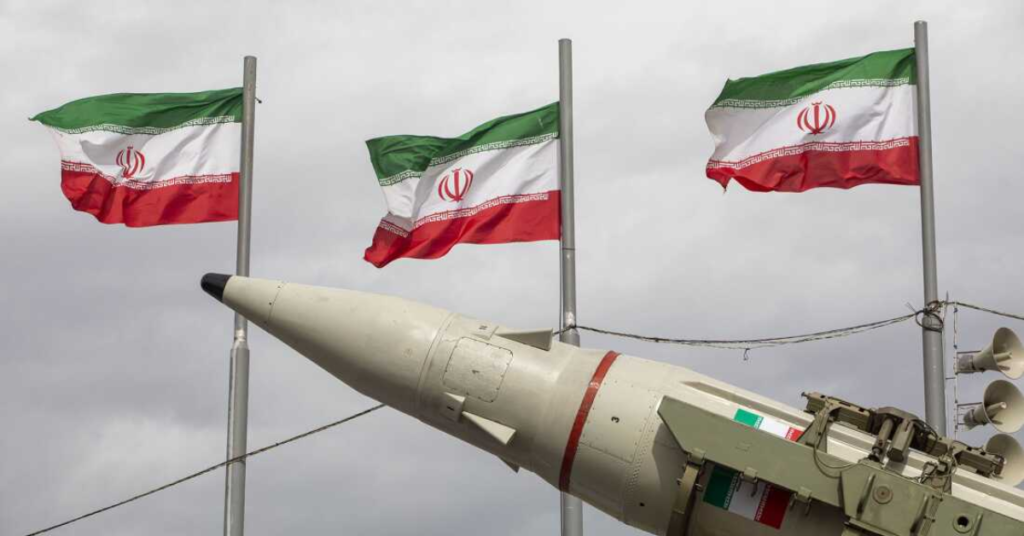
Is the U.S. Losing the Iran War? What are Iran’s Demands For Peace Talks
Executive Briefing (Update: March 2026) The Asymmetric Advantage: Despite weeks of heavy U.S. and Israeli…
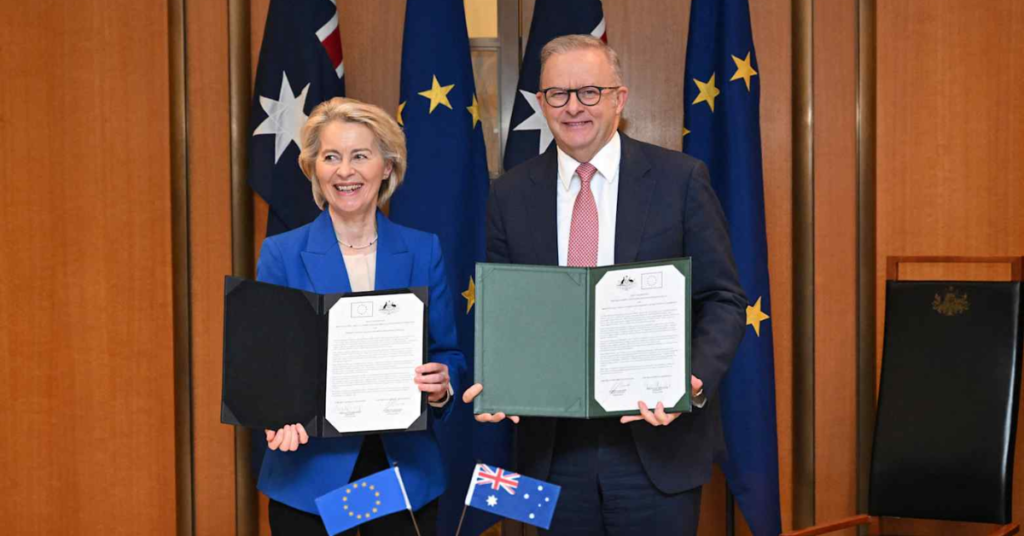
EU Australia Free Trade Agreement: Tariffs, Critical Minerals, and Global Impact
Executive Briefing (Update: March 2026) The A$10 Billion Milestone: Following eight years of complex negotiations,…
Iran War Impact On Russia Ukraine War: Battlefield Updates, Middle East Impact, and Peace Talks
Executive Briefing (Update: March 2026) For observers tracking global geopolitics, the Russia-Ukraine war can no…

Can China Takeover Taiwan in 2026? Why Does China Wants Taiwan
Executive Briefing (Update: March 2026) The Vulnerability: With the United States heavily entrenched in a…
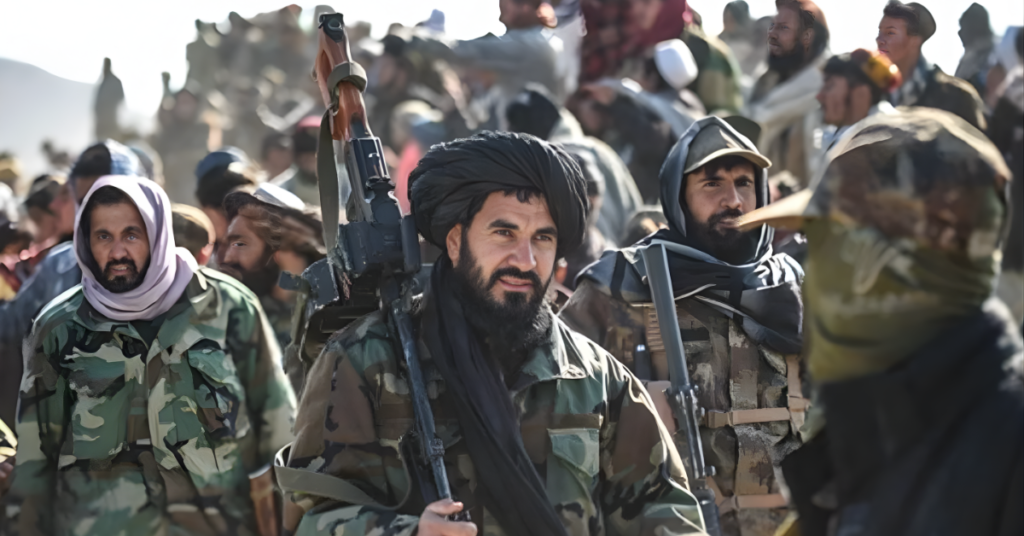
The Pakistan Afghanistan War 2026 Explained: Why Former Allies Are Now Fighting
Executive Briefing (Update: March 2026) The Current Situation: Pakistan Afghanistan War 2026is currently engaged in…

Ibrahim is the Founder and Lead Analyst at The Global Angle, an independent digital platform dedicated to factual geopolitical analysis and international affairs. Based in India, he combines an engineering background with a deep focus on global markets, diplomacy, and strategic security. Ibrahim leverages a data-driven, analytical approach to break down complex international conflicts and economic shifts, helping readers see beyond standard news narratives. When he isn’t researching global policy, he focuses on digital publishing, search engine optimization, and platform architecture.