Israel Recognises Somaliland, Breaking a 30-Year Diplomatic Deadlock
Introduction
Israel recognises Somaliland, marking the first time any country has formally acknowledged the breakaway region’s independence from Somalia. The announcement ends more than three decades of diplomatic isolation for Somaliland and opens a new, controversial chapter in Horn of Africa geopolitics.
The move immediately drew sharp condemnation from Somalia, which called it an attack on its sovereignty. Beyond bilateral ties, the recognition raises wider questions about territorial integrity, precedent in international law, and the growing transactional nature of diplomacy.
What Israel Announced
Israeli Prime Minister Benjamin Netanyahu confirmed that Israel and Somaliland had signed a joint declaration establishing full diplomatic relations. The agreement includes the opening of embassies, appointment of ambassadors, and institutional cooperation across multiple sectors.
Netanyahu described the move as being in the “spirit of the Abraham Accords”, signalling Israel’s intent to expand its diplomatic footprint beyond the Middle East into Africa through strategic partnerships.
Israeli Foreign Minister Gideon Saar said the decision followed a year of extensive dialogue between the two governments.
Somalia’s Immediate Reaction
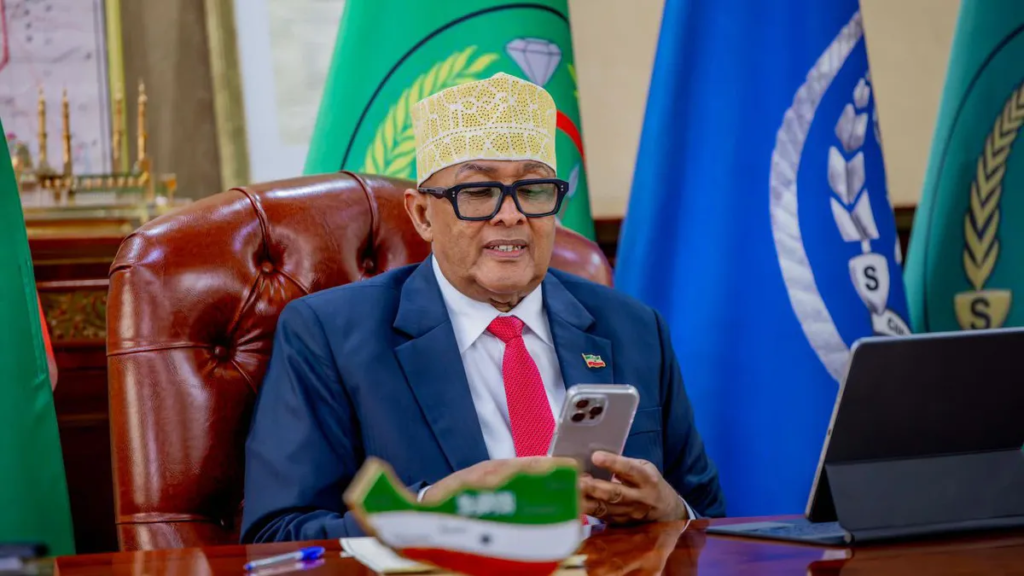
Somalia responded within hours, issuing a strongly worded statement rejecting Israel’s decision. The Somali government described Somaliland as an inseparable part of Somalia and called the recognition unlawful.
Somalia’s foreign minister held consultations with counterparts from Egypt, Turkiye, and Djibouti. The four countries reaffirmed support for Somalia’s unity and warned that recognising breakaway regions sets a dangerous precedent.
Egypt’s foreign ministry explicitly cited violations of the UN Charter and the principle of territorial integrity.
Why Somaliland Has Sought Recognition for Decades
Somaliland declared independence from Somalia in 1991 following the collapse of the Siad Barre regime and a brutal civil war that devastated northern regions.
While much of Somalia descended into prolonged instability, Somaliland established relative order by the late 1990s. It developed its own political institutions, currency, parliament, and security forces.
Despite functioning as a de facto state for over three decades, Somaliland failed to secure recognition from any UN member state until now.
A Region With Internal Fault Lines
Although Somaliland presents itself as a stable alternative to southern Somalia, its political reality is complex.
Eastern regions of Somaliland remain disputed, with some communities rejecting the separatist project led from the capital, Hargeisa. These internal divisions complicate claims of unified self-determination.
Recognition by Israel strengthens Somaliland’s external legitimacy but does not resolve its internal political challenges.
Why Israel’s Decision Matters Now
Israel recognises Somaliland at a moment of shifting alliances and declining consensus on long-standing diplomatic norms.
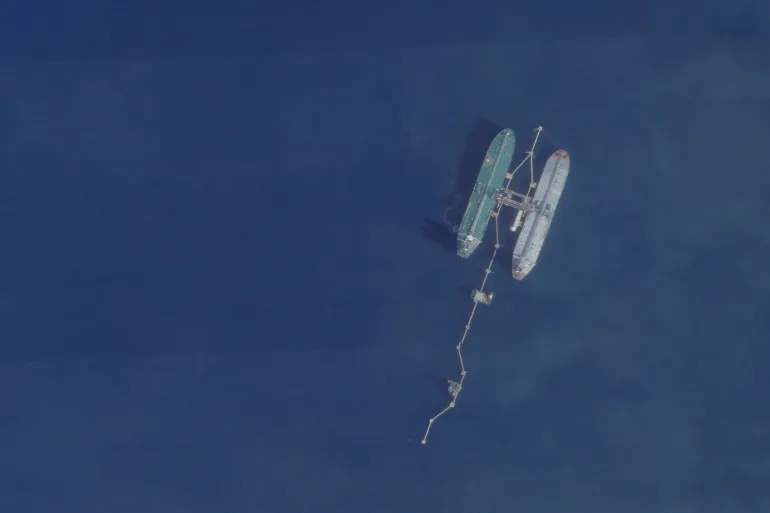
For Israel, the move strengthens its presence near strategic Red Sea and Gulf of Aden shipping routes. It also aligns with Israel’s post-Abraham Accords strategy of building partnerships beyond traditional Arab states.
For Somaliland, recognition by Israel provides diplomatic validation and leverage in future negotiations with other powers.
The Abraham Accords Connection
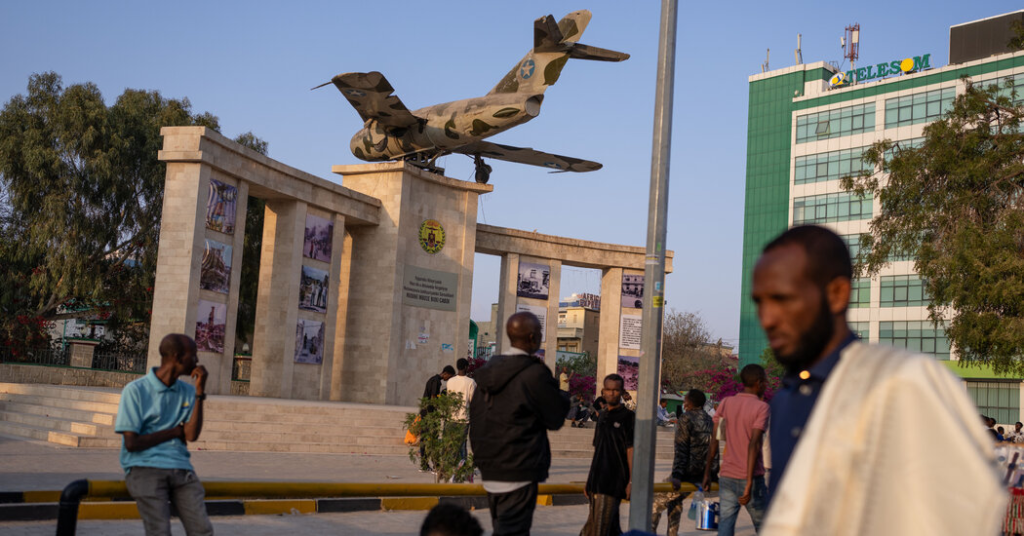
Somaliland’s leadership has openly expressed interest in joining the Abraham Accords framework.
In recent years, Somaliland developed closer ties with the United Arab Emirates, a signatory to the accords, and with Taiwan, signalling its willingness to challenge traditional diplomatic alignments.
Israel’s recognition reinforces the idea that the Abraham Accords are evolving into a broader geopolitical network rather than a strictly Middle Eastern arrangement.
US Politics and Somaliland
Prominent figures within the US Republican Party have long advocated recognising Somaliland.
Senator Ted Cruz and others have argued that Somaliland offers strategic value through stability and cooperation. Former President Donald Trump hinted earlier this year that his administration was examining the issue, though the US has not officially changed its position.
Israel’s move may intensify pressure on Washington to clarify its stance.
Why This Sets a Precedent
Israel recognises Somaliland in a way that challenges established diplomatic norms.
Traditionally, recognition of breakaway regions has been cautious, tied to international consensus or negotiated settlements. This move signals a shift toward transactional recognition based on strategic value rather than universal principles.
Experts warn that such decisions could embolden other separatist movements in fragile states.
Regional Ripple Effects
The decision has already triggered reactions within Somalia’s federal system.
Puntland, one of Somalia’s semi-autonomous regions, has signalled interest in reassessing its own position. Officials there have suggested that strategic patience could yield similar outcomes.
Somalia already struggles with centrifugal pressures, and this development may deepen internal fragmentation.
The Gaza Dimension and Wider Controversy
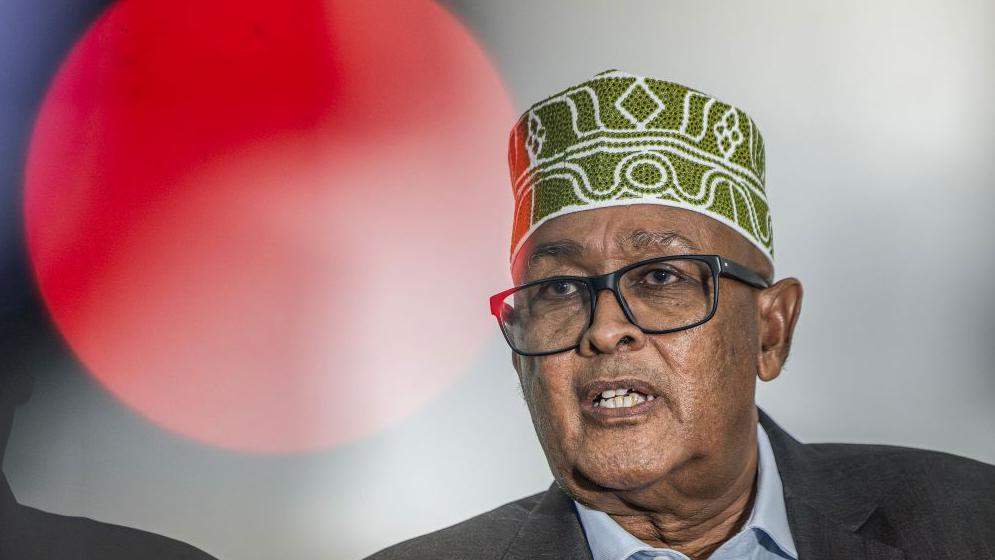
The recognition comes amid reports linking Somaliland to speculative plans involving Gaza and Palestinian displacement, which have been widely condemned.
Egypt, Turkiye, Somalia, and Djibouti jointly rejected any such proposals, stressing opposition to forced displacement of Palestinians.
While Somaliland’s leadership has not endorsed such plans, the controversy underscores how interconnected regional crises have become.
What Comes Next
It remains unclear whether other countries will follow Israel’s lead.
Some states may view the move as an opportunity to engage Somaliland pragmatically. Others are likely to avoid recognition to preserve international legal norms and relations with Somalia.
For now, Israel’s decision stands alone, but it has fundamentally altered the diplomatic conversation.
Conclusion
Israel recognises Somaliland not just as a diplomatic gesture, but as a strategic signal.
The move reshapes debates around sovereignty, recognition, and the rules of international engagement. Whether it remains an isolated case or the beginning of a wider shift will depend on how global and regional powers respond.
One question now looms large: is recognition becoming a matter of principle, or a transaction driven by strategic utility?
Frequently Asked Questions
Why is Israel’s recognition of Somaliland significant?
It is the first formal recognition of Somaliland by any country in over 30 years.
How did Somalia respond?
Somalia rejected the move, calling it unlawful and a violation of its sovereignty.
Does Somaliland function like a state?
Yes, it has its own government, currency, and institutions, though it lacks widespread recognition.
Will other countries recognise Somaliland now?
It is uncertain, but the move could influence future diplomatic calculations.
ALSO READ: China Sanctions US Defence Firms as Taiwan Arms Tensions Rise
ALSO READ: US Strike on ISIS in Nigeria Raises New Questions on Security and Sovereignty