Kuldeep Sengar Sentence Suspension Puts Justice Under Supreme Court Scrutiny
Introduction
Kuldeep Sengar sentence suspension has become the latest flashpoint in India’s long-running Unnao rape case. The Central Bureau of Investigation has approached the Supreme Court, challenging the Delhi High Court’s decision to suspend the life sentence awarded to the former BJP legislator.
The move underscores continuing concerns around judicial consistency, victim justice, and how time served is weighed in cases involving sexual violence and political power.
What the CBI Has Challenged
The CBI has filed a Special Leave Petition before the Supreme Court against the Delhi High Court order that suspended Kuldeep Singh Sengar’s life sentence in the 2017 Unnao rape case.
The High Court had granted Sengar bail on the ground that he had already spent more than seven years in prison, exceeding the maximum punishment prescribed under the Protection of Children from Sexual Offences Act.
The central agency is now seeking the apex court’s intervention to overturn or review that decision.
Delhi High Court’s Reasoning
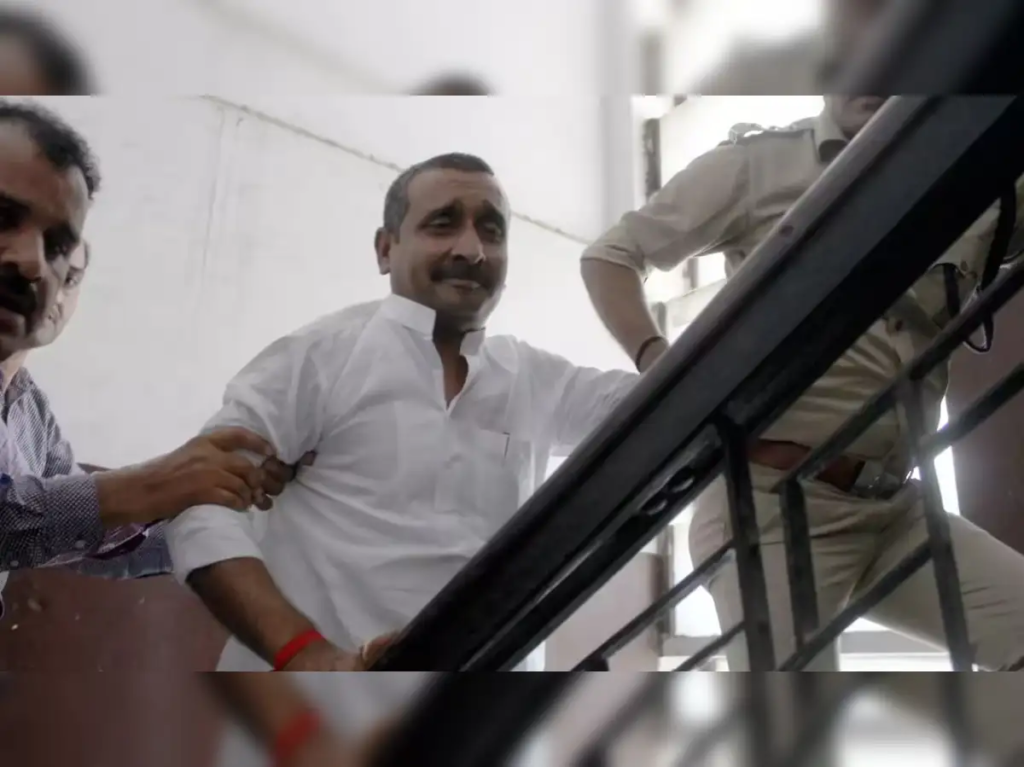
In its order, the Delhi High Court noted that Sengar had completed seven years and five months of imprisonment in the rape case.
The court reasoned that this period exceeded the statutory maximum punishment under the POCSO Act, forming the basis for suspending the sentence while his appeal remains pending.
This interpretation has raised significant legal and ethical questions, particularly in cases where crimes involve abuse of authority and prolonged intimidation.
Why Sengar Is Still in Jail
Despite the suspension of his life sentence in the rape case, Kuldeep Sengar remains behind bars.
He is currently serving a 10-year sentence in connection with the April 2018 custodial death of the rape survivor’s father. That conviction stems from a separate case, and an appeal related to it is still pending before the Delhi High Court.
This distinction is critical, as the suspension order does not amount to acquittal or release.
Why This Case Matters Beyond One Convict
Kuldeep Sengar sentence suspension is not merely about one individual’s bail. It touches on broader questions about:
- How courts balance time served against the gravity of crimes
- Whether procedural relief undermines public faith in justice
- The treatment of cases involving political influence
The Unnao case has long symbolised institutional failure, intimidation of survivors, and the difficulty of securing accountability when power is involved.
The Role of the Supreme Court
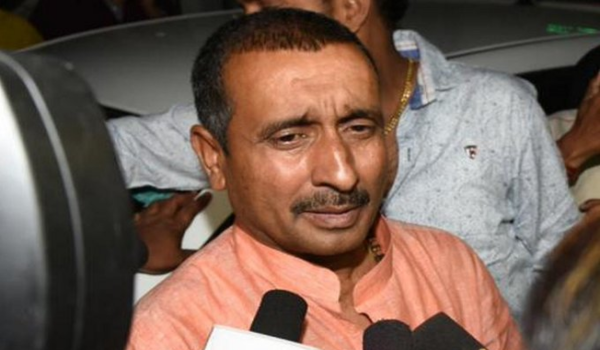
By moving the Supreme Court, the CBI is effectively asking the judiciary’s highest forum to clarify legal standards around sentence suspension in serious sexual offence cases.
The apex court’s response could set an important precedent on whether elapsed jail time alone is sufficient to justify bail in crimes involving minors and abuse of authority.
Such clarification is vital for consistency across high courts.
The Unnao Case: A Reminder of Systemic Failures
The 2017 Unnao rape case shook the country not just because of the crime itself, but because of what followed.
The survivor and her family faced sustained pressure, culminating in the custodial death of her father. The sequence of events exposed gaps in witness protection, policing, and political accountability.
Against this backdrop, any relief granted to the convict is scrutinised closely by the public.
Public Confidence and Judicial Accountability
Legal correctness and public perception do not always align, but courts cannot remain insulated from societal trust.
When high-profile convicts receive interim relief, it raises difficult questions about whether the justice system adequately reflects the lived experiences of victims.
The CBI’s challenge suggests an institutional attempt to ensure that legal relief does not appear disconnected from moral accountability.
What Happens Next
The Supreme Court will decide whether to admit the CBI’s petition and examine the High Court’s reasoning.
Possible outcomes include:
- A stay on the sentence suspension
- A reaffirmation of the High Court’s order
- Guidelines on how time served should be assessed in similar cases
Whatever the outcome, the decision will carry weight far beyond this single case.
Conclusion
Kuldeep Sengar sentence suspension has reopened old wounds and revived pressing debates about justice, power, and accountability.
As the Supreme Court steps in, the case once again tests whether India’s legal system can balance procedural fairness with the moral imperative of protecting survivors.
The question remains: should time served outweigh the nature of the crime, or must justice also reflect the gravity of harm caused?
Frequently Asked Questions
Why did the Delhi High Court suspend Sengar’s sentence?
Because he had already served more than seven years in prison, exceeding the maximum punishment under POCSO.
Is Kuldeep Sengar out of jail?
No. He remains imprisoned due to a separate 10-year sentence in the custodial death case.
What has the CBI done now?
The CBI has moved the Supreme Court challenging the suspension of his life sentence.
Why is this case significant?
It raises broader questions about justice in sexual violence cases involving political power.
ALSO READ: Epstein Files India Angle: What the Data Actually Reveals
ALSO READ: Tarique Rahman Return Bangladesh After 17 Years Changes Political Equation