
Libyan Army Chief Plane Crash and Its Strategic Fallout
Introduction
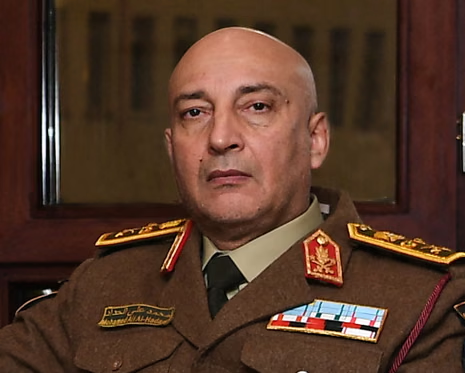
Libyan army chief plane crash has sent shockwaves through Libya’s fragile political and military landscape. Mohammed Ali Ahmed Al-Haddad, the chief of staff of Libya’s internationally recognised army, died on Tuesday after the jet he was travelling in crashed shortly after taking off from Turkey’s capital, Ankara.
The incident matters well beyond aviation safety. It occurred during a sensitive moment in Libya–Turkey relations and just a day after Ankara extended the mandate for Turkish troop deployment in Libya. The timing has added geopolitical weight to what authorities have described as a tragic accident under investigation.
What Happened in Ankara
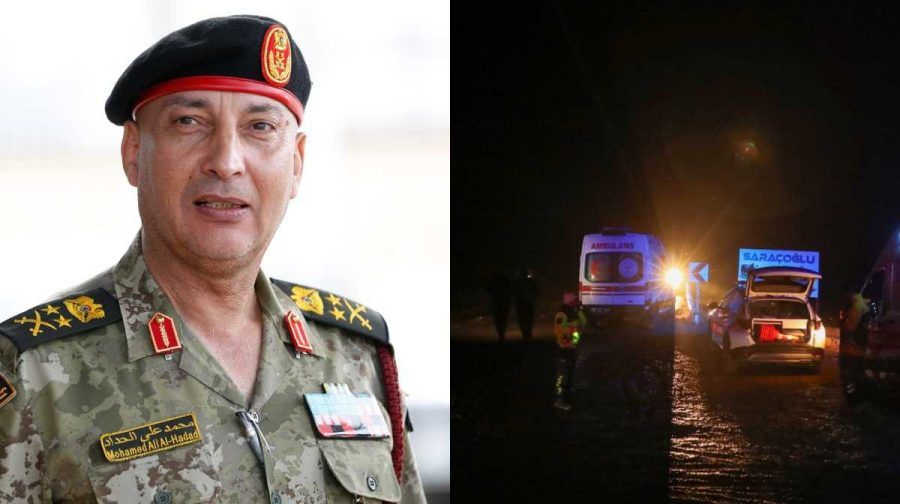
According to Turkish authorities, the Dassault Falcon 50 jet departed Ankara’s Esenboga Airport at 1710 GMT, heading for Tripoli. Radio contact with the aircraft was lost around 1752 GMT while it was flying over Ankara’s Haymana district.
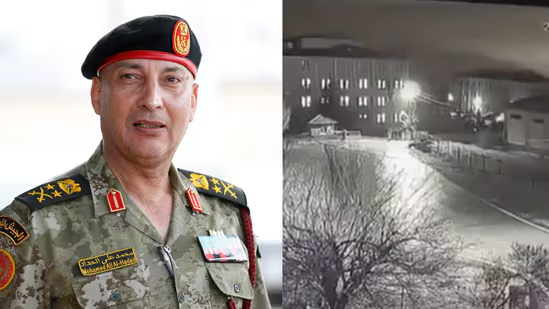
The jet reportedly requested an emergency landing while over Haymana, but no further communication could be established. Wreckage was later found near Kesikkavak village.
The cause of the crash has not yet been determined.
Who Was on Board
Libya’s prime minister confirmed that five people were on the aircraft. Along with Al-Haddad, those killed included:
- The commander of Libya’s ground forces
- The director of the military manufacturing authority
- An adviser to the chief of staff
- A photographer from the chief of staff’s office
The loss represents a significant blow to Libya’s military leadership in one incident.
Libya Declares National Mourning
Libya’s U.N.-recognised Government of National Unity announced three days of official mourning.
Prime Minister Abdulhamid Dbeibah described the crash as a “great loss for the nation, for the military institution, and for all the people.” He directed the defence minister to dispatch an official delegation to Ankara to follow developments related to the investigation.
The government’s response reflects the political and institutional importance of the deceased officers.
Questions Around the Aircraft
Libyan officials said the jet was a leased aircraft registered in Malta. At this stage, they acknowledged that they do not have sufficient information about the aircraft’s ownership or technical history.
This lack of clarity has placed additional focus on the investigation being conducted by Turkish authorities, with cooperation expected from Libyan officials.
The uncertainty has also underlined how logistical arrangements for official military travel can carry hidden risks.
Why the Timing Matters
The Libyan army chief plane crash occurred just one day after Turkey’s parliament voted to extend the mandate for Turkish troops in Libya by two more years.
Turkey has been a key military and political supporter of Libya’s Tripoli-based government. Since 2020, Ankara has provided training, military assistance, and strategic backing to the Government of National Unity.
The coincidence in timing has amplified attention on the broader strategic context of the crash.
Turkey–Libya Military Relationship
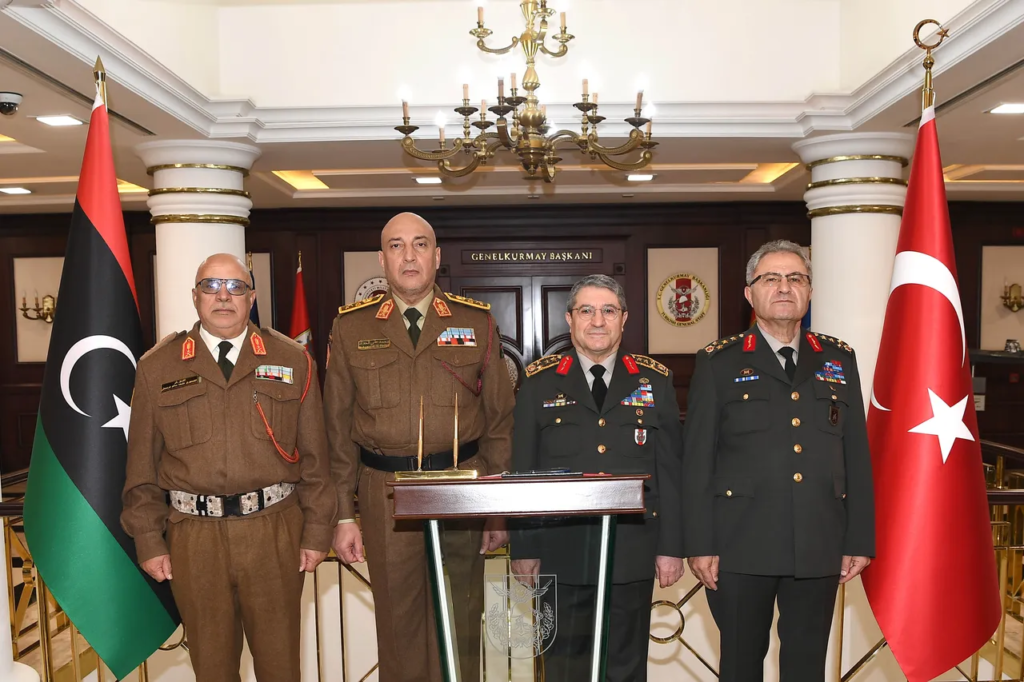
Al-Haddad was in Ankara for an official visit and had met senior Turkish defence officials, including Defence Minister Yasar Guler and other military commanders.
Turkey’s involvement in Libya goes beyond security cooperation. It includes:
- Military training and advisory roles
- A disputed maritime demarcation agreement
- A preliminary energy exploration accord
Both the maritime and energy agreements have been opposed by Egypt and Greece, placing Libya within a wider regional contest.
A Delicate Regional Balance
While Turkey has traditionally supported Libya’s western-based government, it has recently pursued what it calls a “One Libya” policy. This approach involves increasing engagement with eastern Libyan factions as well.
The death of Libya’s army chief during an official Turkish visit complicates this balancing act. Even without evidence of foul play, the incident reinforces perceptions of instability surrounding Libya’s security architecture.
For Tripoli, replacing senior military leadership amid ongoing political fragmentation will not be easy.
Investigation and Accountability
Both Turkish and Libyan authorities have said investigations are under way. Turkey’s justice ministry confirmed that legal and technical inquiries have begun.
However, officials have cautioned that it is unclear when a final crash report will be available. Until then, speculation is likely to persist, especially given the geopolitical backdrop.
Clear communication and transparency will be essential to prevent misinformation.
Why This Matters for Libya
Libya’s military institutions remain central to the country’s stability. Losing multiple senior officers in a single incident risks disrupting command continuity at a sensitive time.
The Libyan army chief plane crash also highlights how dependent Libya’s political process remains on external partnerships, particularly with Turkey.
Any shock to that relationship has ripple effects across governance, security, and diplomacy.
What Comes Next
In the short term, Libya will need to appoint interim military leadership and reassure both domestic and international partners.
For Turkey, managing perceptions will be critical. Ankara will likely seek to emphasise cooperation and transparency to avoid diplomatic fallout.
Regionally, rivals opposed to Turkey’s Libya policy will watch closely for any signs of strategic recalibration.
Conclusion
The Libyan army chief plane crash is a human tragedy first and foremost. But it is also a reminder of how fragile Libya’s institutions remain and how closely its future is tied to external alliances.
As investigations proceed, the larger question is whether Libya can absorb yet another shock without further destabilisation.
In a region shaped as much by timing as by intent, this crash has landed at a moment when every development carries weight.
Frequently Asked Questions
What caused the Libyan army chief plane crash?
The cause is not yet known. Investigations by Turkish and Libyan authorities are ongoing.
Where did the crash occur?
The aircraft crashed near Kesikkavak village in Ankara’s Haymana district.
Why was the Libyan army chief in Turkey?
He was on an official visit and met senior Turkish defence officials.
Why is this geopolitically significant?
The crash occurred amid deep Turkey–Libya military cooperation and regional tensions.
ALSO READ: Epstein Files India Angle: What the Data Actually Reveals
ALSO READ: Unrest in Bangladesh Escalates as Violence, Diplomacy and Fear Collide
Pingback: Explosive Clash: US Visa Bans Europe Trigger 6 Fault Lines