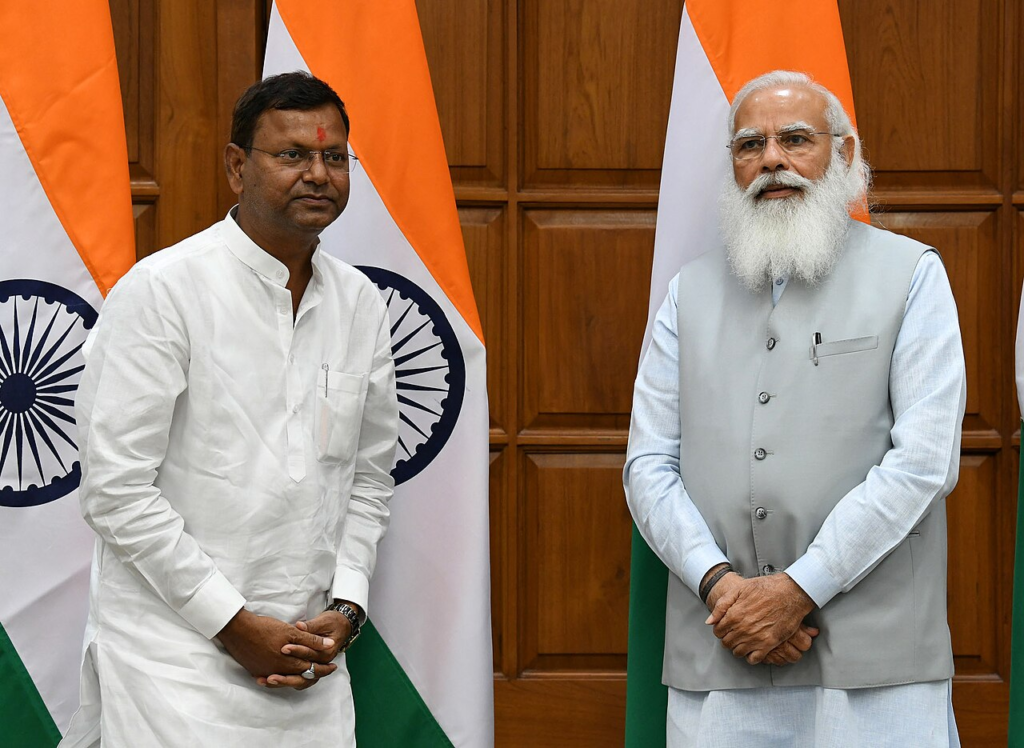
Dr. Manmohan Singh Key Contributions and a Life That Shaped Modern India
Introduction
Manmohan Singh key contributions were remembered across party lines on Friday as India marked the first death anniversary of its former Prime Minister. Dr Singh, who passed away in Delhi on December 26, 2024, at the age of 92, was widely regarded as a rare combination of scholar, reformer, and statesman.
From leading India out of a balance-of-payments crisis to institutionalising transparency and welfare, Singh’s influence extended far beyond electoral politics. The tributes paid by leaders from across the political spectrum reflected the depth of his impact on India’s economic and democratic architecture.
Tributes Across Political Lines
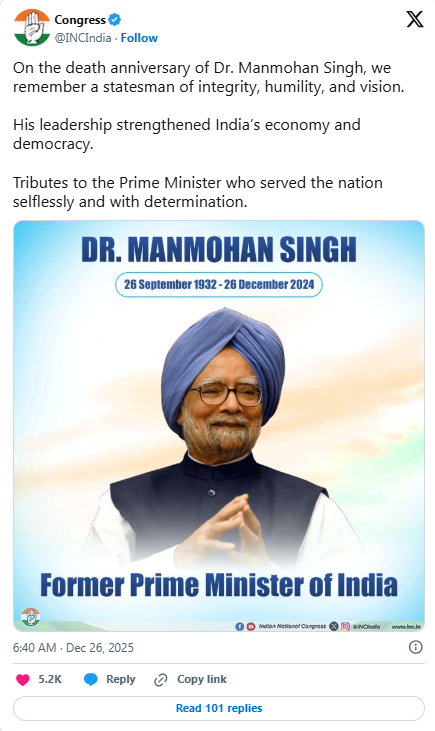
Leaders from diverse ideological backgrounds paid homage to Dr Singh.
Uttar Pradesh Chief Minister Yogi Adityanath described him as a former Prime Minister and Padma Vibhushan awardee whose contributions as Finance Minister and Prime Minister were invaluable to national development.
The Congress remembered him as a leader of integrity and humility who strengthened India’s economy and democracy. Leaders from Karnataka and Maharashtra highlighted his role in reform, transparency, and dignity of labour.
Such cross-party remembrance is rare in contemporary politics.
Why His Legacy Still Matters
Manmohan Singh key contributions remain relevant because many of India’s current policy debates trace their roots to decisions made during his tenure.
His approach emphasised institutions over personalities, reform with restraint, and growth with inclusion. At a time when politics is increasingly polarised, Singh’s legacy offers a contrasting model of governance grounded in consensus and credibility.
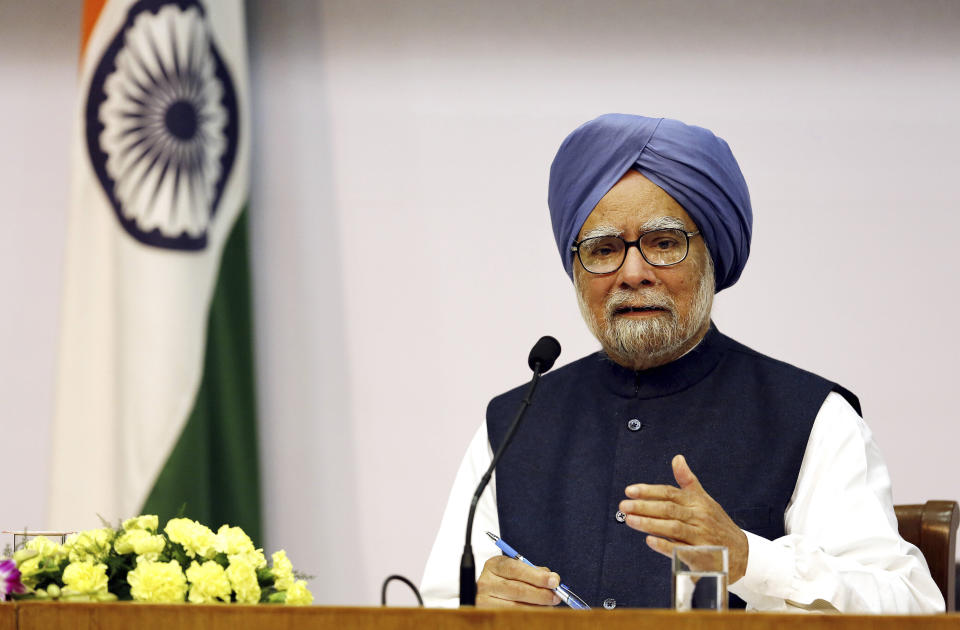
Seven Key Contributions of Dr Manmohan Singh
1. Architect of the 1991 Economic Reforms
As Union Finance Minister from 1991 to 1996, Dr Singh spearheaded landmark economic reforms during a severe financial crisis.
He dismantled the licence-permit raj, opened India to global markets, and stabilised the economy. These reforms transformed India from a closed economy into one integrated with the global system, laying the foundation for decades of growth.
2. Restoring Economic Credibility
Singh’s reforms restored international confidence in India.
His policies stabilised foreign exchange reserves and reassured global institutions and investors. This credibility later enabled India to navigate global economic shocks with greater resilience.
The reforms were politically risky but economically decisive.
3. Strengthening Democratic Transparency
As Prime Minister, Singh oversaw the enactment of the Right to Information Act in 2005.
The RTI law fundamentally altered the relationship between the citizen and the state, empowering ordinary Indians to seek accountability from public institutions. It remains one of the most significant transparency measures in India’s democratic history.
4. Institutionalising Welfare Through MGNREGA
Another major Manmohan Singh key contribution was the National Rural Employment Guarantee Act, later renamed MGNREGA.
The law guaranteed wage employment to rural households and became a critical social safety net. Beyond income support, it strengthened grassroots democracy and improved rural infrastructure.
It reflected Singh’s belief that economic growth must be inclusive.
5. Upholding Institutional Integrity
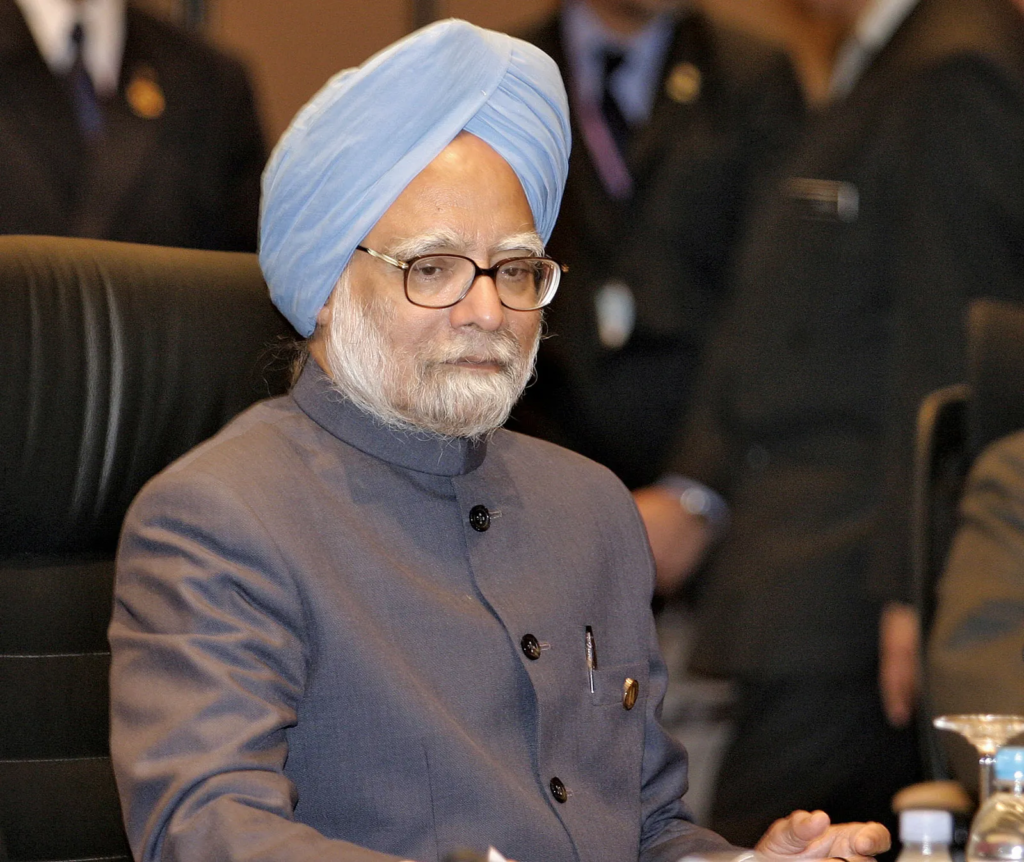
Singh was known for placing institutions above politics.
Whether as RBI Governor, Finance Minister, or Prime Minister, he consistently defended the autonomy of institutions. Colleagues often recalled his insistence on procedure, consultation, and constitutional norms.
This institutional approach helped stabilise governance during periods of coalition politics.
6. Steering Coalition Governance
Serving as Prime Minister from 2004 to 2014, Singh led two coalition governments.
Managing diverse political partners required patience and consensus-building rather than confrontation. His tenure demonstrated that economic reform and welfare expansion could coexist within a coalition framework.
This period reshaped expectations of coalition stability in India.
7. Quiet Diplomacy and Global Standing
Singh enhanced India’s global stature through measured diplomacy.
His tenure saw deeper engagement with major global economies and multilateral institutions. While often understated, his international credibility as an economist and statesman strengthened India’s voice on the global stage.
His style contrasted sharply with more personalised diplomatic approaches.
A Scholar in Public Life
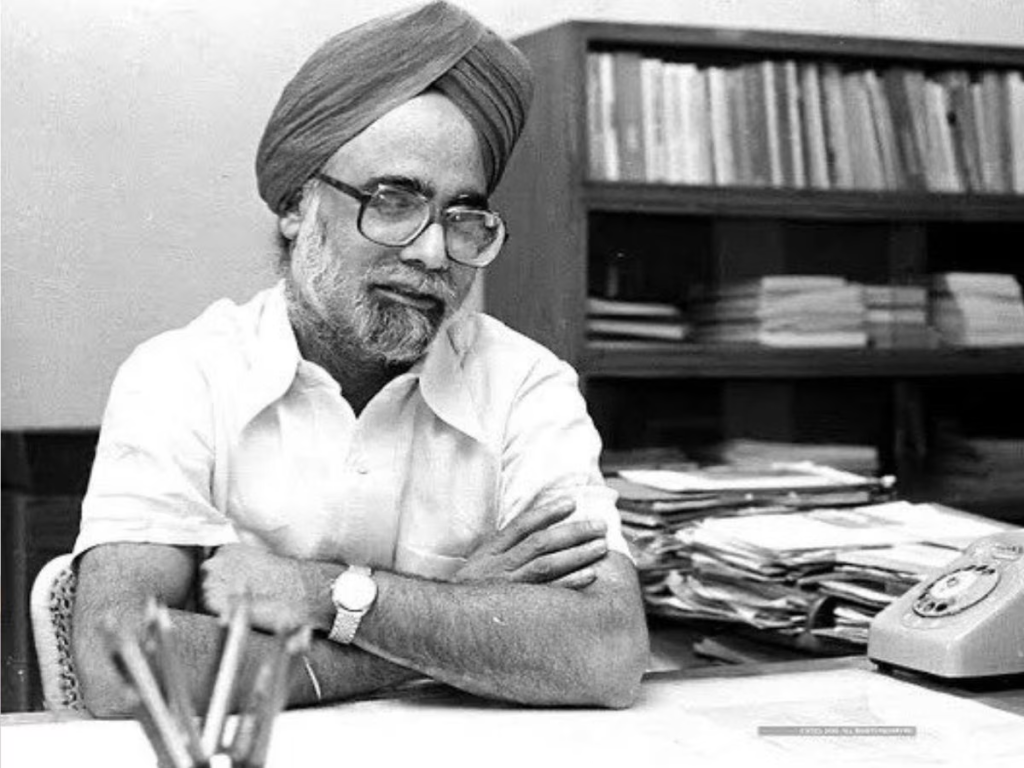
Before entering politics, Singh was an academic and economist.
He served as Governor of the Reserve Bank of India from 1982 to 1985 and held key advisory roles. His academic grounding influenced his policymaking style, which prioritised data, evidence, and long-term impact over short-term optics.
This scholarly temperament defined his public life.
Retirement and Public Restraint
After completing two terms as Prime Minister, Singh retired from active public life in 2014.
He largely refrained from political commentary, choosing dignity and silence over public debate. This restraint reinforced his image as a leader driven by duty rather than personal ambition.
His successor, Narendra Modi, inherited a fundamentally transformed economic landscape.
Why Leaders Still Invoke His Name
On his first death anniversary, leaders recalled Singh not just for what he did, but how he did it.
Integrity, humility, and service were recurring themes. In an era of performative politics, Singh’s legacy is invoked as a reminder that governance can be effective without being loud.
Conclusion
Manmohan Singh key contributions continue to shape India’s economy, institutions, and democratic culture.
As India reflects on his first death anniversary, the tributes underline a broader truth. His legacy is not confined to a single party or era. It lives on in the structures he built and the values he embodied.
The enduring question is whether contemporary politics can rediscover the balance of reform, restraint, and responsibility that defined his leadership.
Frequently Asked Questions
Why is Manmohan Singh remembered as a transformative leader?
Because his reforms reshaped India’s economy and strengthened democratic institutions.
What was his biggest economic contribution?
The 1991 economic reforms that opened India’s economy.
Which welfare laws are linked to his tenure?
MGNREGA and the Right to Information Act.
Why do leaders across parties respect him?
For his integrity, humility, and institution-first approach.
ALSO READ: Tarique Rahman ‘I Have a Plan’ Speech Signals New Political Direction
ALSO READ: Epstein Files India Angle: What the Data Actually Reveals