
Modi Address Ethiopia Parliament and the Global South Vision
Introduction
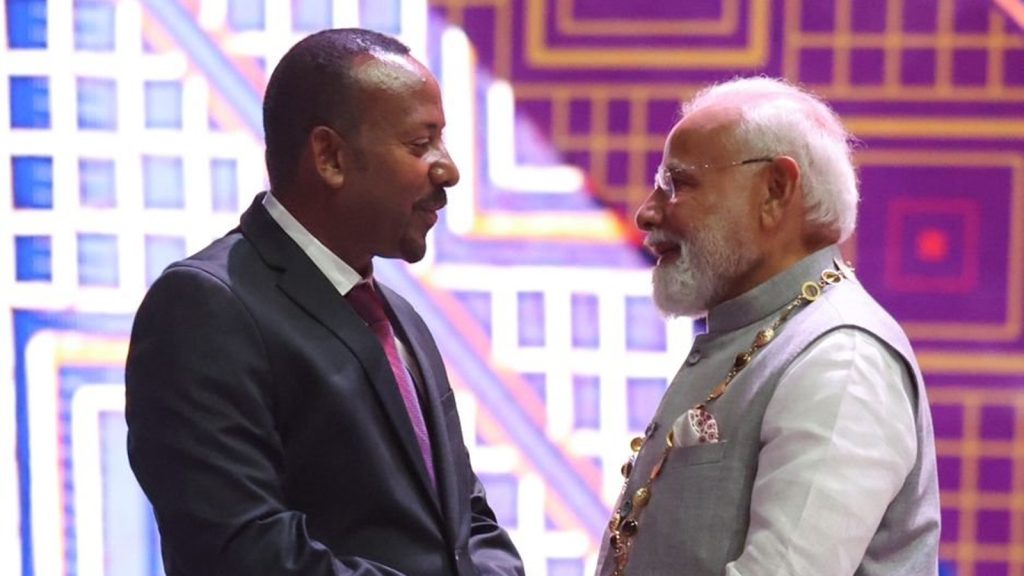
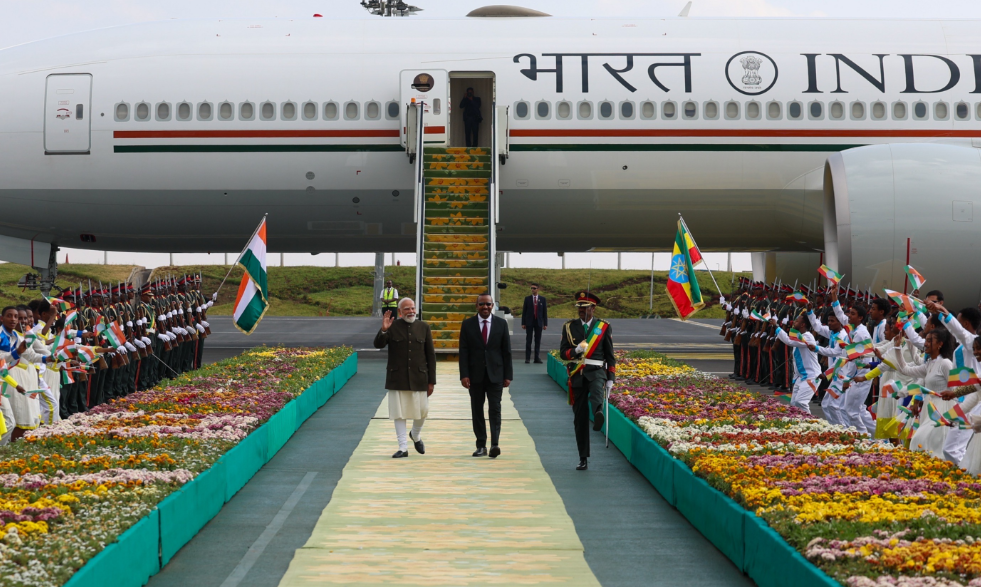
Modi address Ethiopia Parliament Global South was not a ceremonial speech. It was a carefully structured articulation of how India sees the changing global order and its own role within it. Speaking to a joint session of Ethiopia’s Parliament in Addis Ababa, Prime Minister Narendra Modi positioned the Global South as an active force shaping the future, not a passive recipient of global decisions.
The address concluded Modi’s two-day visit to Ethiopia and came amid heightened geopolitical churn, where global institutions, power balances, and development models are increasingly under strain.
Why This Speech Matters at This Moment
India’s Claim to Global South Leadership
India has consistently projected itself as a voice of developing nations in recent years. Modi’s address to Ethiopia’s Parliament reinforced this positioning by emphasising that the Global South’s rise is inclusive and cooperative, not confrontational.
The timing is significant. As competition between major powers intensifies, many developing countries are seeking alternatives to rigid blocs. India’s message speaks directly to this uncertainty.
A Deliberate Choice of Platform
Addressing Ethiopia’s Parliament carried symbolic weight. Ethiopia is one of Africa’s oldest independent nations and a key political anchor in the region. Speaking from this platform allowed India to frame its Global South narrative in a setting that reflects sovereignty, resilience, and political agency.
Core Message of Modi’s Address
The Global South Is Rising for Everyone
A central theme of Modi address Ethiopia Parliament Global South was clarity of intent. Modi stressed that the Global South’s rise is not aimed against any country or region.
Instead, he described a vision where development, technology access, and prosperity are shared more equitably. This framing distances India’s approach from zero-sum geopolitics and emphasises collaboration.
Respect for Sovereignty and Equality
Modi underlined the importance of sovereignty and mutual respect. His remarks reflected a broader concern among developing countries about external interference and unequal partnerships.
The Global South, he argued, seeks fair development without compromising independence or national priorities.
Call for Reforming Global Governance
Outdated Institutions, New Realities
Modi directly questioned global decision-making structures rooted in the post-1945 world order. He argued that institutions designed nearly eight decades ago no longer reflect present-day realities.
According to Modi, the world cannot move forward if its systems remain locked in the past. This aligns with India’s long-standing demand for reforms in global governance frameworks.
Representation That Matches Reality
The speech highlighted a recurring Indian position: decision-making power must reflect today’s economic and demographic realities, not historical privilege.
For the Global South, this demand is not ideological but practical, tied to fair representation and effective problem-solving.
India and Ethiopia: Strategic Convergence
Natural Partners in Regional Connectivity
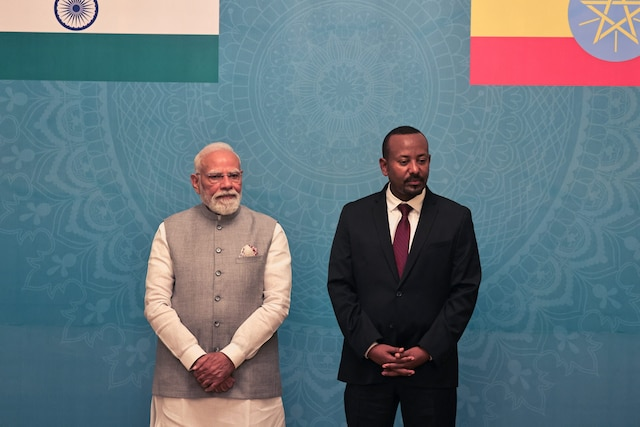
Modi described India and Ethiopia as natural partners due to their geographic positions. Ethiopia sits at a crossroads in Africa, while India lies at the heart of the Indian Ocean.
This positioning creates opportunities for cooperation on regional peace, security, and connectivity. Modi framed this partnership as strategic rather than symbolic.
Defence and Security Cooperation
India and Ethiopia have signed a Defence Cooperation Agreement this year. Modi highlighted collaboration in areas such as cybersecurity, defence industries, and joint research.
This signals India’s expanding engagement with Africa beyond traditional development assistance.
Economic Cooperation and Investment
India’s Investment Footprint
Modi pointed out that Indian companies are among the largest investors in Ethiopia. Investments exceeding $5 billion span textiles, manufacturing, agriculture, and healthcare.
These investments have created more than 75,000 local jobs. The emphasis on employment reinforced India’s development-centric narrative.
Strategic Partnership for Future Growth
The elevation of bilateral ties to a strategic partnership aims to unlock cooperation in technology, innovation, mining, and clean energy.
Modi framed economic engagement as mutually beneficial, stressing long-term growth rather than short-term extraction.
The Global Development Compact
Development Beyond Aid
Modi reiterated India’s push for a Global Development Compact. This approach prioritises technology sharing, affordable finance, capacity building, and trade as engines of sustainable growth.
The underlying message was that development partnerships should empower countries rather than create dependency.
Africa Skills Multiplier Initiative
He also highlighted India’s support for the Africa Skills Multiplier Initiative announced at the G20 Summit. The initiative focuses on building local skills and capacities for inclusive development.
This reflects India’s emphasis on human capital as the foundation of economic resilience.
Food, Health, and Human Security
Shared Challenges, Shared Solutions
Modi emphasised cooperation in food security and health security. These areas have gained prominence due to global disruptions and vulnerabilities exposed in recent years.
By focusing on basic human needs, the speech grounded geopolitical ideas in everyday realities.
Historical and Cultural Connections
Shared Struggles and Solidarity
Modi recalled historical links between India and Ethiopia, including Indian soldiers fighting alongside Ethiopians during the liberation of Ethiopia in 1941.
He also referenced Indian teachers who worked across Ethiopian cities and contributed to education and social development.
Education and People-to-People Ties
Modi noted that many Ethiopian students studied in India and returned home to help build a modern nation. These connections were presented as long-term investments in mutual trust.
Symbolism of the Adwa Victory Monument
Before addressing Parliament, Modi laid a wreath at the Adwa Victory Monument in Addis Ababa. The Battle of Adwa in 1896 remains a powerful symbol of resistance to colonial domination.
The gesture aligned India’s Global South narrative with Ethiopia’s historical assertion of sovereignty and dignity.
What This Speech Signals for India’s Foreign Policy
From Narrative to Action
Modi address Ethiopia Parliament Global South went beyond rhetoric. It outlined concrete areas of cooperation and institutional reform.
The speech reflects India’s effort to convert moral positioning into practical partnerships across Africa and other developing regions.
Balancing Power Without Confrontation
By stressing inclusivity and reform rather than rivalry, India seeks to navigate global power shifts while maintaining strategic autonomy.
Ethiopia’s Parliament provided a fitting stage for this balanced diplomatic message.
Conclusion
Modi address Ethiopia Parliament Global South encapsulated India’s evolving worldview. It combined calls for global governance reform with specific proposals for economic, security, and development cooperation.
By framing the Global South’s rise as inclusive rather than adversarial, India positions itself as a partner advocating shared prosperity and mutual respect.
As global institutions face growing legitimacy challenges, the key question remains: can India translate this vision into sustained leadership for the Global South?
Also Read: Strategic BJP Shift: Pankaj Chaudhary UP BJP President Role Explained in 7 Points
Frequently Asked Questions
1. What was the main message of Modi’s address to Ethiopia’s Parliament?
Modi emphasised that the Global South’s rise is inclusive, focused on fairness, sovereignty, and shared prosperity.
2. Why is Ethiopia important in India’s Global South strategy?
Ethiopia’s strategic location in Africa and political significance make it a key partner for regional peace and connectivity.
3. What cooperation areas did Modi highlight?
He highlighted trade, investment, defence, technology, food security, health security, and capacity building.
4. How does this speech fit into India’s foreign policy?
It reflects India’s effort to position itself as a leading voice of the Global South advocating reform and inclusive development.
Also Read:Why Nitin Nabin BJP Working President Signals a Strategic Shift

Pingback: New Epstein Photos Released: What 70 Images Reveal Now
Pingback: Modi Jordan visit Crown Prince gesture - TheGlobalAngle