Introduction
The Modi Jordan visit Crown Prince gesture where Jordan’s Crown Prince personally drove Prime Minister Narendra Modi to the country’s largest museum drew global attention. On December 16, 2025, this gesture became more than a photo opportunity. It underscored the warmth of bilateral relations between India and Jordan and highlighted evolving diplomatic ties in West Asia.
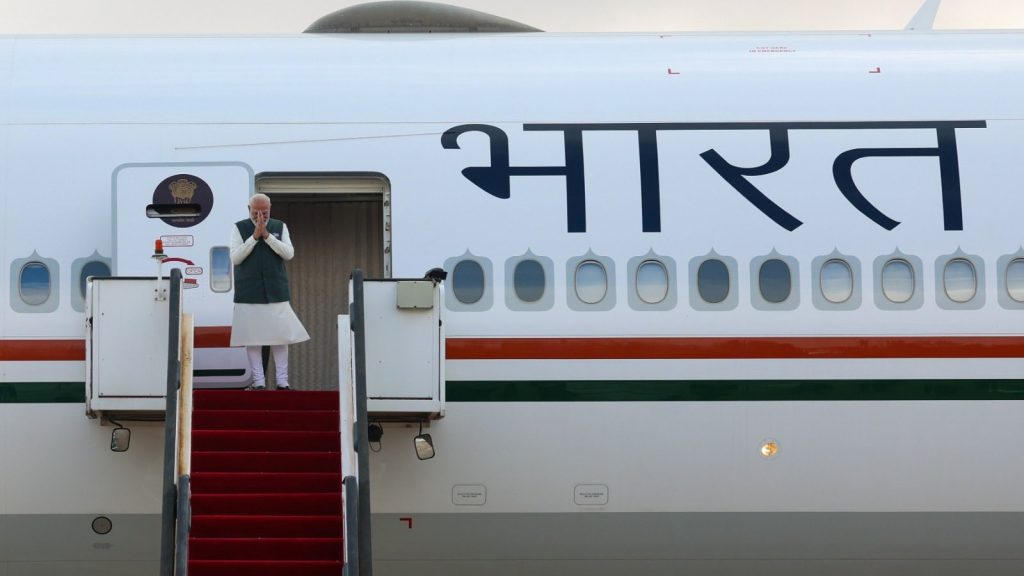
PM Modi’s visit to Jordan is part of a larger four-day, three-nation tour that will also take him to Ethiopia and Oman. Jordan was the first leg, a deliberate choice reflecting India’s intent to deepen ties in the Middle East and beyond.
A Rare Personal Gesture: The Drive to the Jordan Museum
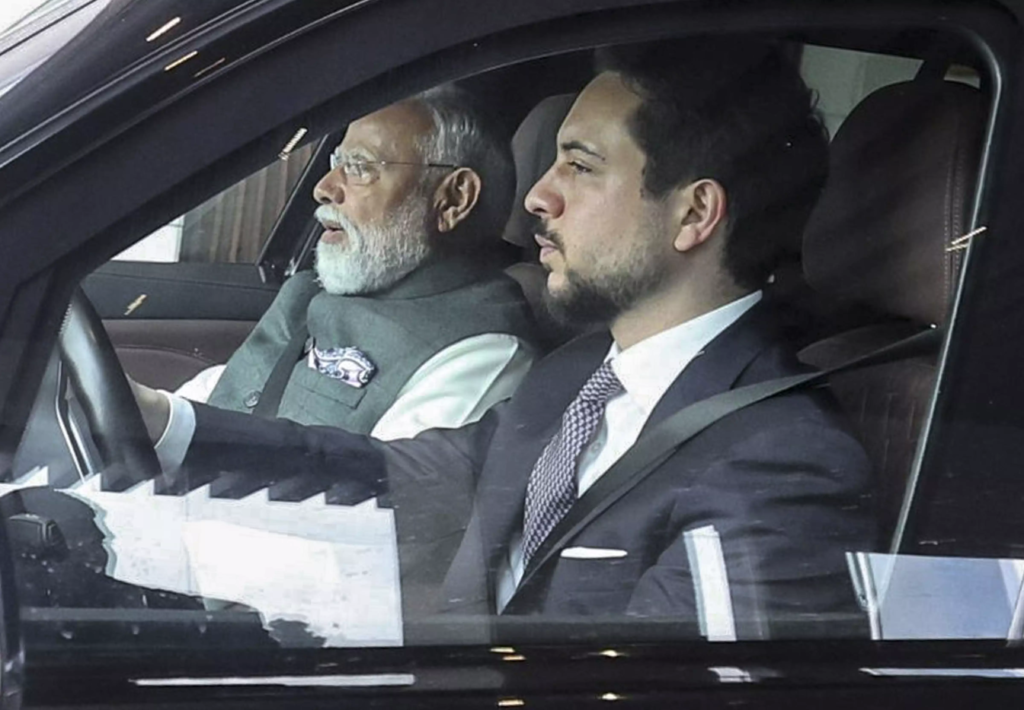
A notable moment of Modi Jordan visit Crown Prince gesture occurred when Crown Prince Hussein bin Abdullah II personally drove PM Modi to The Jordan Museum in Amman. The Crown Prince, who is the eldest son of King Abdullah II and heir to the Jordanian throne, took the wheel of his car while Mr Modi rode as a passenger. This act was shared by PM Modi on social media, with images capturing the two leaders on their way to the museum.
Such a gesture is symbolically rich in diplomatic terms. It goes beyond protocol and reflects personal respect, trust, and a close working relationship between the leadership of the two countries.
Who Is Jordan’s Crown Prince Hussein?
Crown Prince Hussein bin Abdullah II is the heir apparent of Jordan’s Hashemite monarchy. Born on June 28, 1994, he is the eldest son of King Abdullah II and Queen Rania and has been Crown Prince since 2009. He belongs to the Hashemite family, which has ruled Jordan since 1921, and is considered a 42nd-generation direct descendant of the Prophet Muhammad.
He has held various leadership roles in the military and undertaken diplomatic and public initiatives that span youth development, technology, and international engagement aspects noted by PM Modi during their interaction.

The Jordan Museum: A Symbolic Venue
The destination of the Crown Prince’s gesture, The Jordan Museum, is the country’s flagship cultural institution. Located in Amman’s Ras al-Ein district, it opened in 2014 to showcase Jordan’s civilisational journey from prehistoric times to the present.
Its exhibitions range from ancient animal remains dating back 1.5 million years to the 9,000-year-old Ain Ghazal lime plaster statues, among the oldest human figures ever discovered.
Visiting the museum added a cultural dimension to the official visit, signalling respect for historical ties and shared human heritage, not just political or strategic interests.
Context: India Jordan Relations in 2025
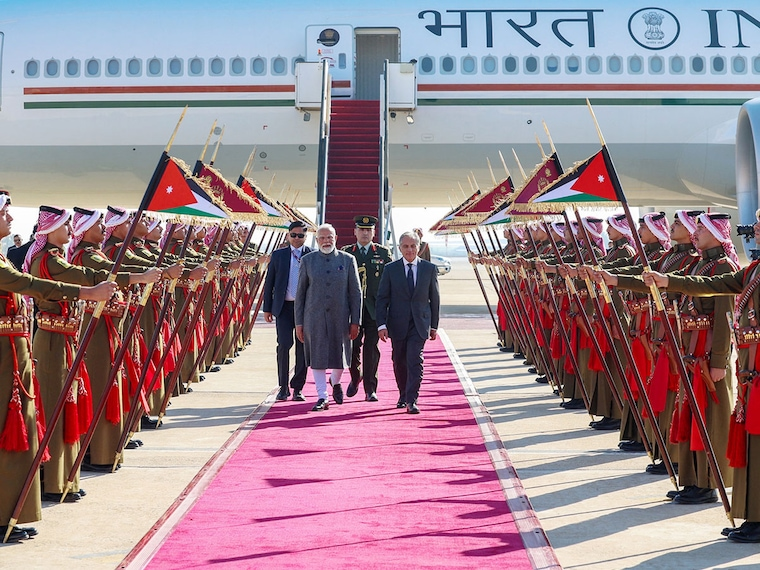
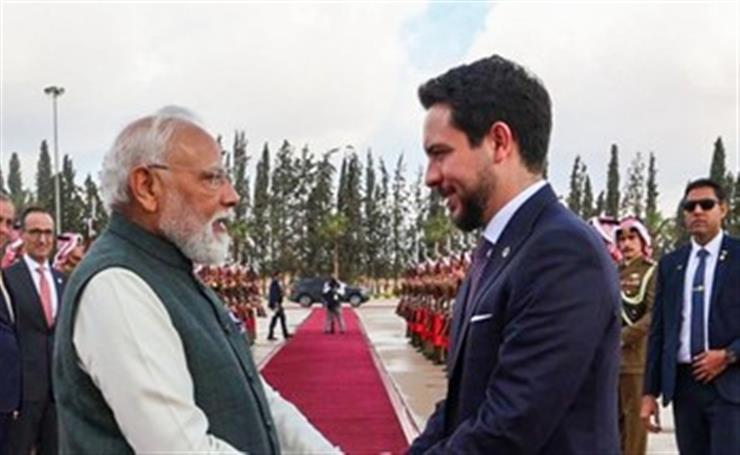
The Modi Jordan visit Crown Prince gesture was part of a broader diplomatic engagement. Mr Modi arrived in Amman on December 15 at the invitation of King Abdullah II. This was his first full-fledged bilateral visit to Jordan in 37 years, marking the 75th anniversary of diplomatic relations between the two countries.
During the visit, Modi met King Abdullah II and held talks focused on strengthening cooperation in multiple areas, including trade, defence, renewable energy, agriculture, digital infrastructure, and cultural exchange.
Strategic and Economic Dimensions
Expanding Bilateral Trade
One key outcome of the visit was India’s proposal to double bilateral trade with Jordan to USD 5 billion within five years. This reflects India’s ambition to deepen economic links with West Asian partners and leverage complementarities in sectors such as technology, manufacturing, and services.
This target is part of a broader Indian strategy to diversify economic partnerships and expand market access for Indian firms while supporting Jordan’s own development objectives.
Also Read: US war with Venezuela – 7 Shocking Ways the US Is Already at War With Venezuela
Cooperation Beyond Trade
In addition to trade, discussions included cooperation on countering terrorism and extremism, an issue of mutual concern given regional instability. Modi and King Abdullah emphasised the importance of durable peace and security in West Asia, highlighting shared priorities in global and regional forums.
The partnership framework also covered renewable energy, water management, and digital infrastructure areas where India’s experience and technology could support Jordan’s national goals.
Diplomatic Signals Beyond Protocol
Personal Diplomacy as a Signal
The gesture by the Crown Prince is significant in diplomatic language. Leaders rarely forego conventional protocol unless there is mutual warmth and strategic alignment. A head-of-state or heir apparent driving a visiting dignitary reflects informality, trust, and personal rapport that complement formal discussions.
Such moments, sometimes described in international relations as “soft diplomacy,” can strengthen ties by humanising official interactions and creating narratives that resonate with broader audiences.
Media and Public Perception
Photographs and social media posts highlighting the drive quickly circulated, capturing global attention and illustrating a friendly, almost familial dimension of state relations that goes beyond sterile press releases.
This framing matters in an era where diplomacy is not only about negotiations but also about narratives that shape international perceptions and domestic political audiences.
Also Read: Modi Address Ethiopia Parliament: Global South Vision Explained in 7 points
Cultural and Historical Resonance
The choice of venue the Jordan Museum adds another layer to the visit. By visiting a museum that spans millennia of human history, the leaders subtly underscored a civilisational framing of their ties.
India and Jordan both have ancient histories and cultural legacies that inform their modern identities. A visit to such a museum thus becomes more than a cultural outing; it symbolises mutual respect for civilisation, heritage, and continuity.
The Broader Tour: Linking Middle East, Africa, and Gulf
Jordan was the first stop in PM Modi’s four-day, three-nation tour. After Jordan, he headed to Ethiopia and subsequently to Oman. This itinerary reflects India’s broader foreign policy priorities strengthening ties across the Middle East, Africa, and the Gulf region.
Placing Jordan at the start of this tour sends a symbolic message about priority and the centrality of bilateral and trilateral cooperation in a multipolar world.
Conclusion
The Modi Jordan visit Crown Prince gesture was more than a diplomatic courtesy. It encapsulated layers of symbolism, signalling deepening bilateral ties, personal rapport, and strategic alignment between India and Jordan.
From the personal gesture of the Crown Prince driving the Prime Minister, to discussions on expanding trade and cooperation, the visit illustrates how diplomatic engagement today blends protocol, culture, and personal diplomacy.
As India continues to expand its footprint in West Asia and beyond, such gestures and engagements will likely become markers of nuanced, multi-dimensional foreign relations.
Also Read: Strategic BJP Shift: Pankaj Chaudhary UP BJP President Role Explained in 7 Points
Frequently Asked Questions
1. Why did Jordan’s Crown Prince drive PM Modi to the museum?
It was a rare personal gesture that reflected the warmth and cordiality of India–Jordan bilateral relations, signalling trust and mutual respect.
2. What is the significance of The Jordan Museum in Amman?
The Jordan Museum is the country’s largest museum, showcasing archaeological and historical artefacts spanning more than 1.5 million years.
3. What else was discussed during Modi’s visit to Jordan?
Discussions included strengthening trade, defence cooperation, renewable energy partnerships, and joint efforts on regional security.
4. What other countries is PM Modi visiting on this tour?
Jordan is the first leg of a four-day, three-nation tour that will also include Ethiopia and Oman.