Motaleb Sikder Bangladesh Political Violence and a Pattern of Targeted Attacks
Introduction
Motaleb Sikder Bangladesh political violence has emerged as a key concern after another student leader was shot within days of the killing of Sharif Osman Hadi. On Monday, Sikder was shot in the head in Khulna city, intensifying fears that youth and student leaders are becoming targets in a tense political climate.
The incident matters because it follows a similar attack on Osman Hadi, a prominent student activist who later died. With national elections approaching, these shootings raise urgent questions about political security, accountability, and the safety of grassroots political participation in Bangladesh.
What Happened to Motaleb Sikder
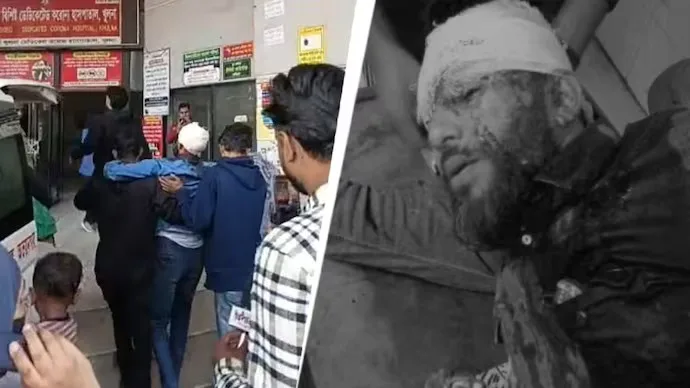
Motaleb Sikder was shot around 11:45 am near Gazi Medical College Hospital in Khulna, according to police and local media reports. Unidentified gunmen targeted his head before fleeing the area.
He was rushed to Khulna Medical College Hospital in critical condition. Doctors reported that the bullet entered through one side of his ear, pierced the skin, and exited through the other side, causing heavy bleeding.
Hospital authorities later confirmed that Sikder is out of danger after receiving emergency treatment.
Who Is Motaleb Sikder
The Motaleb Sikder Bangladesh political violence narrative has drawn attention to his political role.
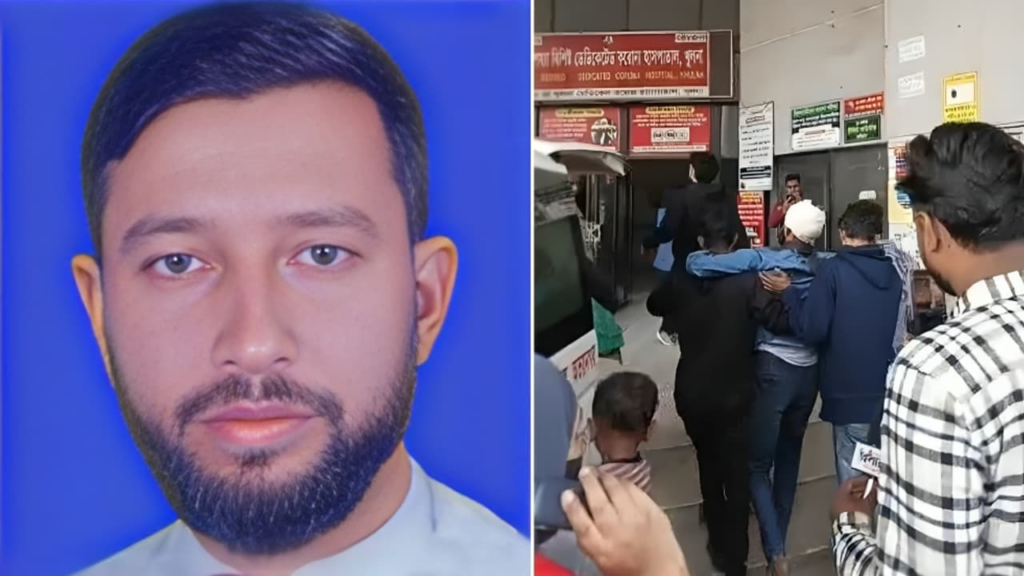
Sikder is a senior leader of the National Citizen Party. He serves as the party’s Khulna Division head and also holds the position of central coordinator of its workers’ front.
The party confirmed the shooting in a public statement, describing Sikder as a key organisational figure within its regional and grassroots structure.
Roots in Student Politics
Sikder, 42, has long been involved in student politics. Reports indicate that he played a significant role in the violent student-led uprising of 2004.
This background places him among a generation of activists shaped by confrontational political mobilisation. His continued involvement reflects how student politics remains deeply intertwined with national political movements in Bangladesh.
That history adds political weight to the shooting rather than framing it as a random act.
ALSO READ: Bangladesh Unrest Sharif Osman Hadi: Dangerous Slide Before Elections
Police Response and Current Status
Police confirmed that miscreants deliberately targeted Sikder’s head. The officer-in-charge of Sonadanga Model Police Station said Sikder survived because the bullet did not penetrate deeper tissue.
No arrests have been reported so far. Authorities have not disclosed suspects or motives, citing an ongoing investigation.
The lack of immediate clarity has heightened public concern, especially given the recent killing of another student leader.
Osman Hadi’s Killing and Its Link
Motaleb Sikder Bangladesh political violence cannot be separated from the killing of Sharif Osman Hadi.
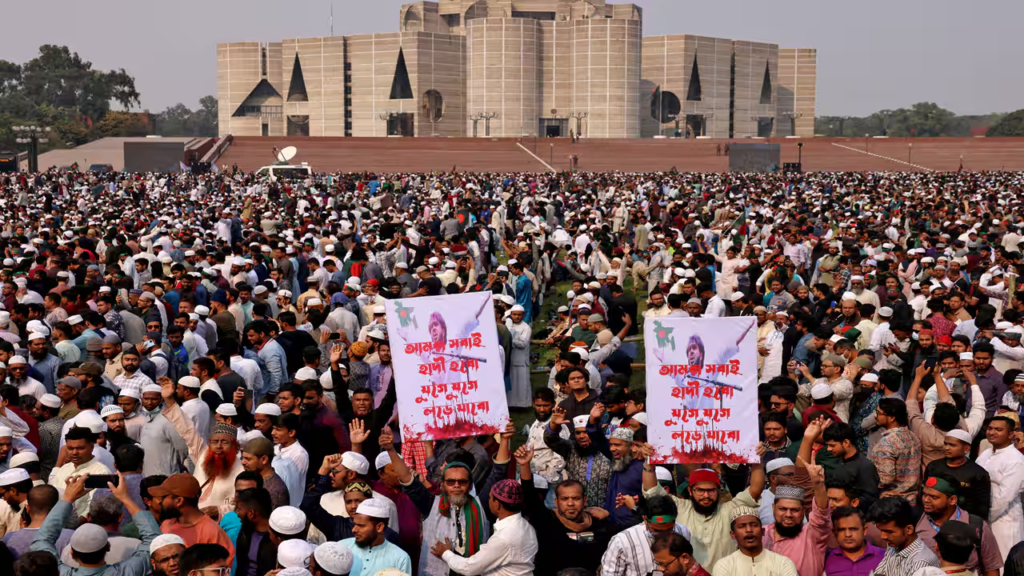
Hadi, a prominent radical student leader and spokesperson of Inqilab Mancha, was shot in the head on December 12 during an election campaign event in Dhaka’s Bijoynagar area. Masked gunmen carried out the attack.
The 32-year-old was taken to Singapore for treatment, where he later died. Hadi had emerged as a visible figure during student-led protests last year that contributed to the ouster of the Sheikh Hasina-led Awami League government.
Why the Timing Matters
The shooting of Sikder days after Hadi’s death has amplified fears of targeted political violence. Bangladesh is preparing for general elections scheduled for February 12.
Both Sikder and Hadi were associated with youth-driven political movements that gained prominence during a period of political upheaval. Attacks on such figures risk creating fear among activists involved in campaigning and mobilisation.
This timing makes the incidents politically destabilising rather than isolated crimes.
Student Leadership and Political Risk
Student politics has historically played a central role in Bangladesh’s political evolution. Student leaders often act as organisers and symbols of broader dissent.
The Motaleb Sikder Bangladesh political violence pattern highlights how these figures can become vulnerable during periods of transition. Violence against student leaders sends a warning that participation carries personal risk.
This threatens the space for grassroots political engagement.
Public Reaction and Party Response
The National Citizen Party publicly confirmed the shooting and Sikder’s medical condition. Reactions across social platforms reflected concern rather than partisan celebration.
Major political actors have responded cautiously. The absence of immediate blame reflects uncertainty, but it also risks reinforcing perceptions of insecurity and impunity.
Public focus has centred on safety rather than political rivalry.
Election Security Concerns
Motaleb Sikder Bangladesh political violence now frames broader concerns about election security. Campaign periods increase exposure for political workers, particularly student leaders and local organisers.
Repeated shootings may discourage open participation and undermine confidence in the electoral process. Without visible accountability, fear can shape political behaviour.
This places pressure on law enforcement and election authorities to act decisively.
What Comes Next
Investigations into both the Sikder shooting and Hadi’s killing will be closely watched. Identifying those responsible and clarifying motives will be critical to preventing further escalation.
Political parties may reassess security arrangements for campaign events and public appearances.
Whether these incidents remain isolated or evolve into a broader pattern depends on institutional response in the coming weeks.
Conclusion
Motaleb Sikder Bangladesh political violence reflects more than individual attacks. Together with Osman Hadi’s killing, it points to a fragile political moment where youth leadership and street-level mobilisation face rising risk.
As elections approach, the challenge is not only maintaining order but protecting democratic participation from fear.
Can Bangladesh safeguard its student and youth leaders at a time when political voices matter most?
Frequently Asked Questions
What is Motaleb Sikder Bangladesh political violence?
It refers to the recent shooting of student leader Motaleb Sikder amid a rise in political violence.
Is Motaleb Sikder alive?
Yes. Doctors have said he is out of danger after emergency treatment.
How is this linked to Osman Hadi?
The shooting occurred days after Osman Hadi, another student leader, died from gunshot injuries.
Why is this significant now?
Both incidents happened ahead of national elections, raising security and stability concerns.
ALSO READ: Bangladesh Protests 2025: Unrest After Sharif Osman Hadi’s Death Explained
ALSO READ: Impact Venezuela Tanker Seizures on Oil Prices Shows Market Sensitivity