Key Takeaways
- Munich Security Conference 2026 Takeaways The Atlantic Divide: The conference highlighted deep strains between the U.S. and Europe, driven by the Trump administration’s “wrecking-ball politics.”
- Germany’s Stand: Chancellor Friedrich Merz acknowledged the old order is breaking but urged Europe not to write off the U.S. just yet.
- The 2028 Auditions: High-profile Democrats like AOC and Gavin Newsom used the global stage to present alternative American visions, eyeing the next presidential cycle.

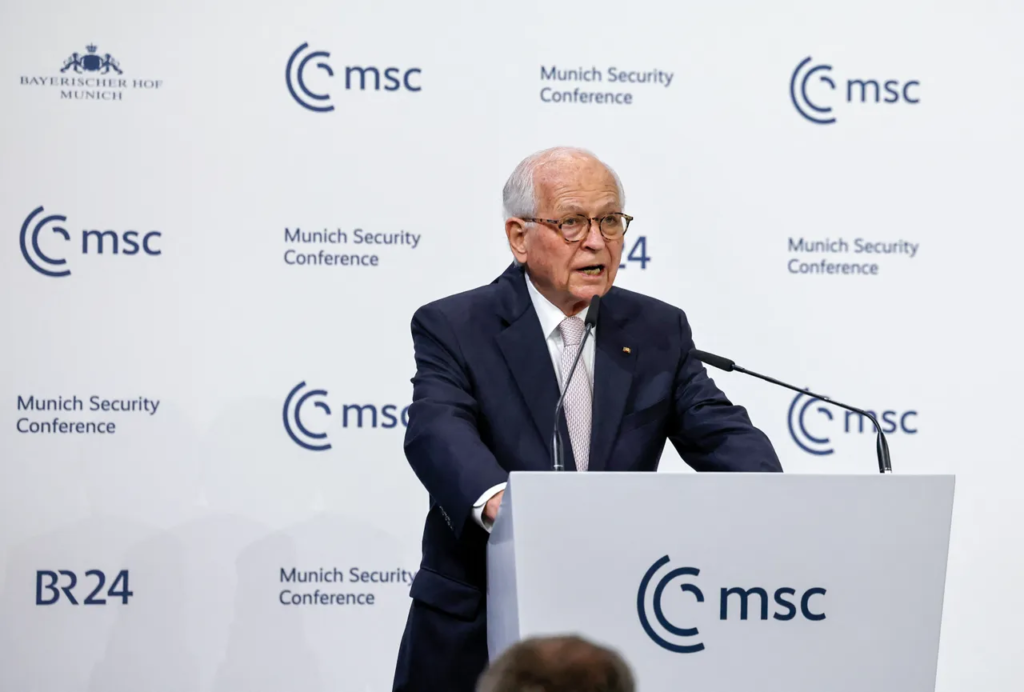
The 2026 Munich Security Conference (MSC) concluded this weekend under a cloud of uncertainty. Often called the “Davos of Defense,” this year’s gathering was less about celebrating alliances and more about damage control. With the theme of “wrecking-ball politics” dominating the agenda, leaders from both sides of the Atlantic grappled with a shifting global order and a U.S. administration increasingly focused on “America First” isolationism.
Here is a breakdown of what happened, the key takeaways, and the long-term impact on global security.
1. Merz Pitches a “Repaired” Relationship
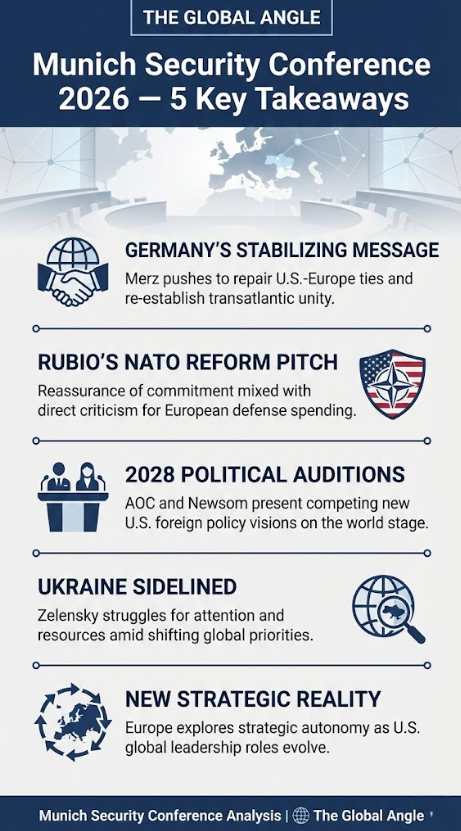
German Chancellor Friedrich Merz set the tone with an opening speech that balanced realism with optimism. While he admitted that the U.S.-led global order is fracturing faster than Europe can adapt, he firmly rejected the idea of abandoning the transatlantic partnership.
- The Message: Merz warned against “writing off” the U.S., arguing that despite current difficulties, the geopolitical reality requires continued cooperation.
- The Context: His speech was seen as a stabilizing force, contrasting with more alarmist views (like Canada’s earlier warnings of a “rupture”) and signaling that Germany still sees value in the long-term American alliance.
2. Rubio Offers an “Olive Branch” (Compared to Vance)
U.S. Secretary of State Marco Rubio delivered a speech that, while tough, was received with relative relief compared to the previous year.
- The Contrast: European officials were still reeling from Vice President JD Vance’s 2025 speech, which berated Europe for “suppressing free speech” and migration failures.
- The Shift: Rubio emphasized that the U.S. does not want to dismantle institutions like NATO but rather reform them.
- The Pushback: His comments on “European civilization” drew sharp critiques from EU diplomat Kaja Kallas and others, who rejected the notion that Europe is facing “civilizational erasure.” However, his affirmation of NATO was largely seen as reassuring.
3. The Democratic “Auditions” for 2028
The conference served as a testing ground for prominent U.S. Democrats looking to polish their foreign policy credentials ahead of the 2028 election.
- Alexandria Ocasio-Cortez (AOC): The progressive Congresswoman focused on income inequality as a root cause of authoritarianism. She criticized unconditional U.S. aid to Israel and framed the global struggle as one between the working class and autocrats.
- Gavin Newsom: The California Governor took a direct shot at the current administration, reminding European leaders that “Trump is temporary.” He positioned states like California as “permanent, stable partners” on issues like climate change, bypassing Washington to forge agreements with Germany and the UK directly.
4. Ukraine Struggles for the Spotlight
Four years after the full-scale invasion, Volodymyr Zelensky faced a grim reality: Ukraine is no longer the undisputed center of attention.
- The Situation: With the U.S. ending direct military support, Zelensky thanked Europe for filling the gap but criticized the “concessions” narrative being pushed by Washington.
- The Sidelining: Analysts noted that Ukraine was treated “a la carte”—discussed on the sidelines while the main stage focused on the broader collapse of the global order. Negotiations are stalled, waiting on moves from U.S. envoys, leaving Kyiv in a precarious limbo.
5. Impact and Future Scope
The 2026 MSC made one thing clear: the era of automatic U.S. leadership is over, at least for now.
- Europe’s Realization: Leaders are moving from shock to adaptation, looking to build “strategic autonomy” while waiting to see if the U.S. political pendulum swings back in the midterms or 2028.
- The “Dormant” Order: As Gavin Newsom put it, the old world order isn’t dead, but “dormant.” The next few years will determine if it can be revived or if the “wrecking ball” has done permanent damage.
Frequently Asked Questions
Munich Security Conference 2026 Takeaways: What was the theme of the 2026 Munich Security Conference?
The discussions centered around “wrecking-ball politics,” reflecting the belief that great powers are currently demolishing the established international order rather than reforming it.
Did the US commit to NATO at the conference?
Secretary of State Marco Rubio affirmed a U.S. preference for partnering with Europe and maintaining NATO, though he stressed the need for these institutions to be “rebuilt” and reformed.
Who represented the US Democrats?
Prominent figures included Rep. Alexandria Ocasio-Cortez and California Governor Gavin Newsom, both of whom presented alternative visions to the Trump administration’s foreign policy.
ALSO READ: Munich Security Conference 2026: A World “Under Destruction” or “A Changing Movement”?
ALSO READ: India AI Impact Summit 2026: The Global South’s “AI Moment” Arrives
The End of “Free Leverage”: How RBI’s 2026 Guidelines Are Reshaping the Broking Industry
Executive Summary (The “Global Angle”) The News: The Reserve Bank of India (RBI) has issued…
The Thermal Masterstroke: Why the 2026 F1 Championship Could Be Decided in Court
F1 vs Mercedes key takeaways – The News: The FIA has launched an emergency e-vote…
Winter Olympics 2026 “A New Era”: How Milano Cortina Rewrote the Olympic Playbook
Winter Olympics 2026 key notes – The News: As the Milano Cortina 2026 Winter Games…
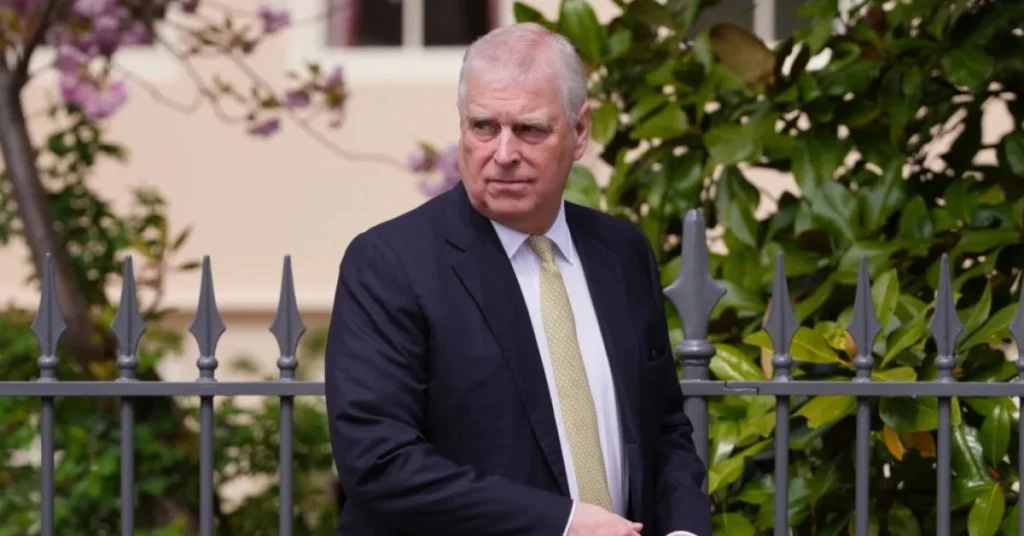
Andrew Mountbatten-Windsor arrest 2026: Why This Redefines Royal Immunity
Executive Summary Andrew Mountbatten-Windsor arrest 2026 The News: On his 66th birthday (February 19, 2026),…
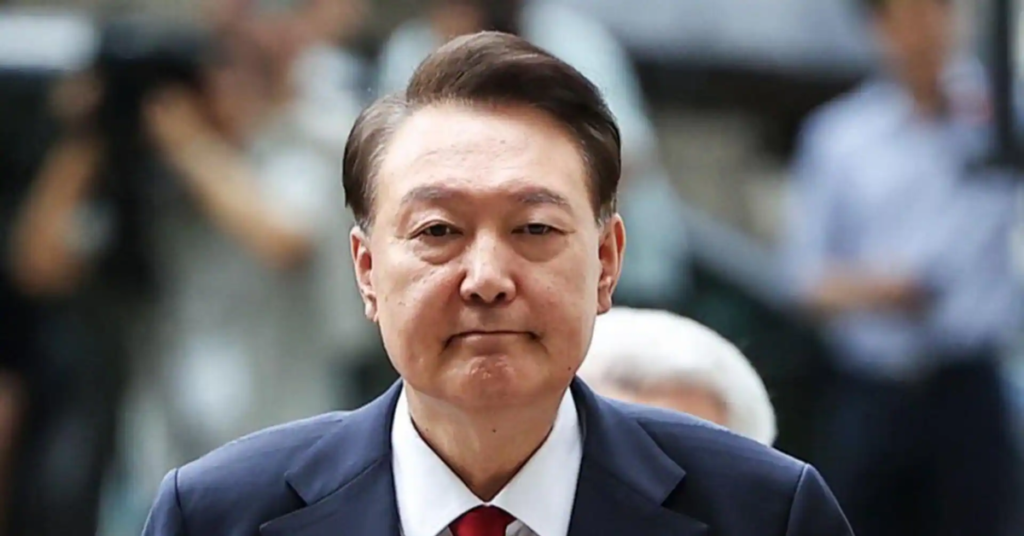
Yoon Suk Yeol life sentence: The Dec 2024 Insurrection & The “Pardon Cycle”
Executive Summary Yoon Suk Yeol life sentence The News: A Seoul court has sentenced former…
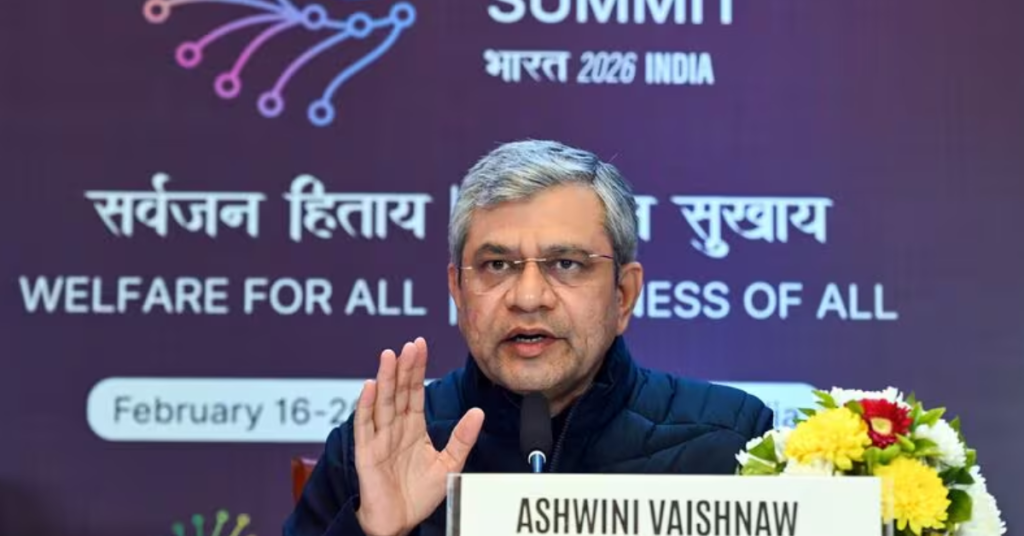
India AI Impact Summit Day 2 Summary: The Day the “AI Hype” Broke the Doors Down
Executive Summary India AI Impact Summit Day 2 Summary The News: Day 2 of the…