Executive Briefing (Update: March 6, 2026)
- The Historic Shift: Following the deadly September 2025 “Gen-Z” protests that ousted the establishment government, Nepal’s voters have delivered a stunning rebuke to the traditional political elite in Nepal Election Results.
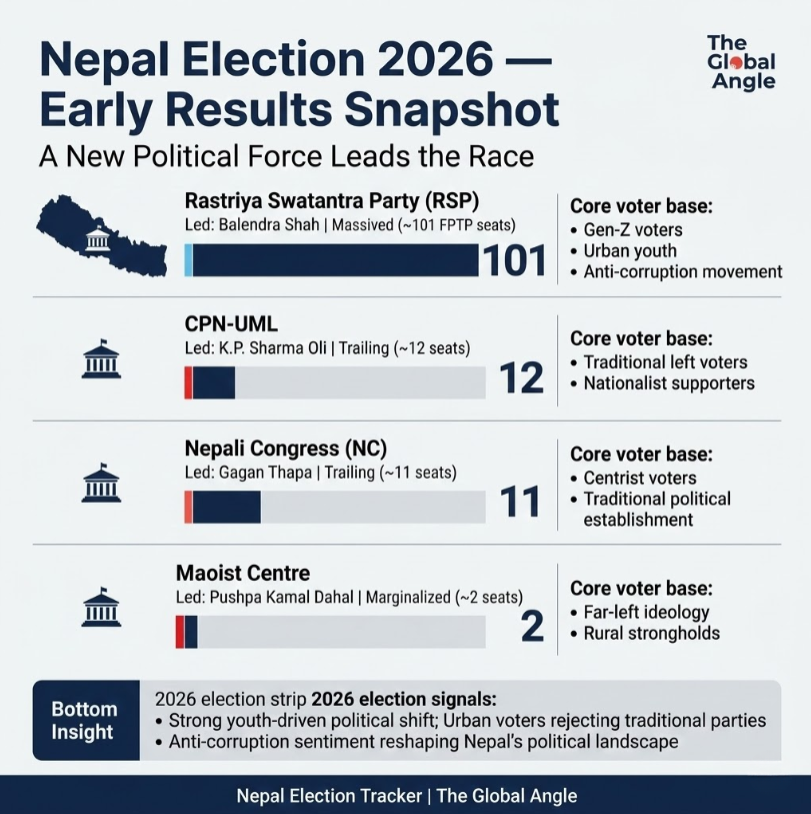
- The New Power Player: Initial vote counts show the youth-driven Rastriya Swatantra Party (RSP), led by former rapper and Kathmandu Mayor Balendra Shah (‘Balen’), is sweeping the parliamentary elections, leading in over 100 constituencies.
- The Geopolitical Impact: This generational transition marks the end of an era where New Delhi and Beijing could easily navigate Kathmandu by leaning on familiar Marxist or Congress heavyweights. The new leadership prioritizes domestic economic pragmatism over historical ideological alliances.

For decades, the political landscape of Nepal has been a revolving door. A handful of veteran politicians—figures like K.P. Sharma Oli, Sher Bahadur Deuba, and Pushpa Kamal Dahal (Prachanda)—have traded the Prime Minister’s office back and forth.
On March 5, 2026, the Himalayan nation broke the wheel.
Triggered by the massive September 2025 youth uprisings over corruption, unemployment, and economic stagnation, Nepal held snap elections two years ahead of schedule. The preliminary results point to a landslide paradigm shift. Here is a deep dive into the numbers, the new leadership, and exactly what this earthquake means for India and global diplomacy.
The 2026 Election Results: A Rout of the Old Guard
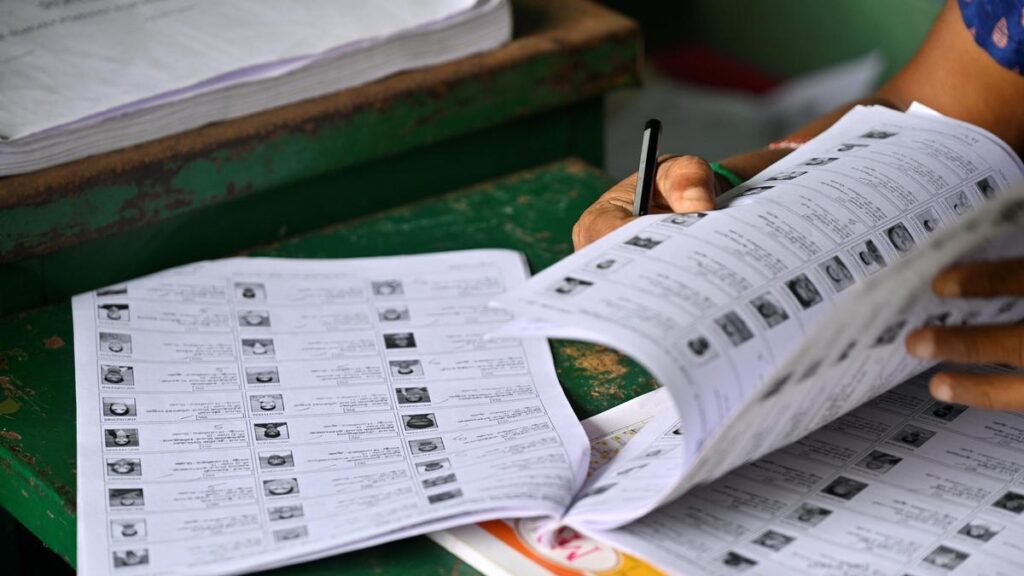
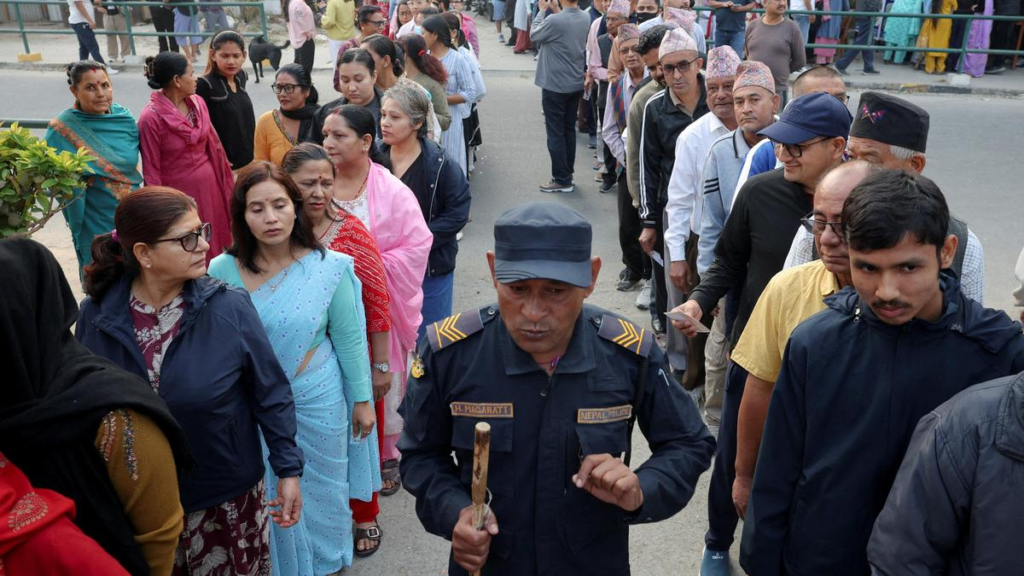
Nearly 19 million eligible voters—including over a million newly registered Gen-Z citizens—turned out to vote. The results under the First-Past-The-Post (FPTP) system are decisively rejecting the entrenched political establishment.
Balendra Shah’s Rastriya Swatantra Party (RSP) is routing the traditional powerhouses in both urban centers like the Kathmandu Valley and rural constituencies.
Early Voting Trends (As of March 6, 2026)
| Political Party | Key Leader | 2026 Status (Initial Trends) | Core Voter Base / Stance |
| Rastriya Swatantra Party (RSP) | Balendra Shah | Massive Lead (~101 FPTP seats) | Gen-Z, Urban Youth, Anti-Corruption |
| CPN-UML | K.P. Sharma Oli | Trailing (~12 seats) | Traditional Left, Nationalist |
| Nepali Congress (NC) | Gagan Thapa | Trailing (~11 seats) | Centrist, Traditional Establishment |
| Maoist Centre (NCP) | Pushpa Kamal Dahal | Marginalized (~2 seats) | Far-Left, Rural Base |
Note: Nepal elects 165 members through FPTP and 110 via Proportional Representation (PR). The RSP is currently dominating both ballots, signaling a clear mandate to form the next government.
Nepal Election Results
What This Means for India-Nepal Relations
For New Delhi, the results in Kathmandu are a matter of paramount national security. India and Nepal share an open, 1,850-kilometer border, deep cultural ties, and a highly complex, often strained diplomatic relationship.
The rise of Balendra Shah and the RSP forces India’s Ministry of External Affairs into uncharted territory.
1. The End of Traditional Leverage
Historically, New Delhi (and Beijing) maintained influence by building decades-long relationships with the leaders of the Nepali Congress and the Communist factions. India understands how to negotiate with K.P. Sharma Oli or the Maoists. Balen Shah, however, is not a product of the old political machine. He owes no favors to the traditional diplomatic brokers, meaning India loses its historical backdoor leverage in Kathmandu.
2. The “Big Brother” Charge & Strict Nationalism
During his tenure as Mayor of Kathmandu, Shah proved he was fiercely protective of Nepali sovereignty, occasionally taking symbolic stands against perceived Indian cultural overreach (such as briefly banning Indian films over historical disputes).
India must tread carefully. The RSP’s young voter base is highly sensitive to India’s “Big Brother” attitude. Any overt interference from New Delhi will be met with severe, highly publicized pushback by a digitally savvy administration.
3. Economic Pragmatism over the “China Card”
For years, Nepali politicians have played India and China against each other to extract infrastructure investments. The RSP’s mandate is fundamentally domestic: fix the economy, create jobs, and stop the massive brain drain of Nepali youth migrating to the Gulf and the West.
The new government is expected to be transactional. They will welcome Indian Foreign Direct Investment (FDI)—particularly in hydropower and digital infrastructure—but they will scrutinize treaties rigidly to ensure they benefit Nepal’s domestic economy, rather than ideological alignment.
The Global Implication: A Blueprint for the Global South
The ripple effects of Nepal’s 2026 election will be felt far beyond South Asia. It serves as a stark warning to entrenched political elites globally.
Following the youth-led uprisings in Bangladesh and Kenya in recent years, Nepal has become the ultimate testbed for a critical democratic question: Can grassroots, social-media-driven Gen-Z protests translate into organized, institutional electoral power?
The answer is a resounding yes. The RSP bypassed traditional political machinery entirely. They largely abandoned physical pamphlets and rallies, utilizing platforms like TikTok and Instagram to mobilize over 800,000 new first-time voters. By proving that a non-establishment movement can organize, field candidates, and win a commanding national majority in just months, Nepal has provided a successful, bloodless blueprint for youth movements across the Global South.
Conclusion
The era of musical chairs among Nepal’s aging politicians is officially over. As Balendra Shah prepares to likely take the oath as Prime Minister, both India and China must rapidly update their diplomatic playbooks. For New Delhi, the strategy must shift from political maneuvering to genuine, equitable economic partnership. The Gen-Z voters of Nepal have made it clear: they are no longer interested in the geopolitics of the past; they demand a functioning future.
Frequently Asked Questions
Who is winning the 2026 Nepal general elections?
Initial vote counting as of March 6, 2026, shows the Rastriya Swatantra Party (RSP), led by former rapper and Kathmandu Mayor Balendra Shah (“Balen”), heading toward a landslide victory. The RSP is dominating both the First-Past-The-Post (FPTP) constituencies and the proportional representation vote, far outpacing traditional parties like the CPN-UML and Nepali Congress.
Why were the Nepal elections held early in 2026?
The 2026 general elections were held two years ahead of schedule. They were triggered by the massive “Gen-Z” youth protests in September 2025, which ousted the coalition government of K.P. Sharma Oli. The protests were fueled by anger over corruption, high unemployment, and a stagnant economy, forcing a constitutional reset and early snap elections.
Who is Balen Shah?
Balendra Shah, popularly known as Balen, is a 35-year-old structural engineer and former underground rapper who transitioned into politics. After serving as the independent Mayor of Kathmandu (elected in 2022), he became the prime ministerial candidate for the reformist Rastriya Swatantra Party (RSP) for the 2026 national elections, successfully capturing the youth vote.
How will the 2026 election results affect India-Nepal relations?
Balen Shah’s government is expected to shift Nepal’s foreign policy toward strict economic pragmatism and domestic growth. Unlike traditional politicians who often played India and China against each other, the RSP’s young voter base prioritizes job creation, anti-corruption, and strict national sovereignty. India will likely need to engage with Kathmandu purely on equitable economic and infrastructure partnerships rather than relying on historical political backchannels.
ALSO READ: Countries Currently at War 2026: The Complete Global Conflict Tracker
ALSO READ: How Long Will the US-Israel Iran War Last? The Sustainability and the Cost of War
The Complete History of Iran Israel Relations: From Secret Allies to Arch-Rivals
Executive Briefing The Dramatic Shift: Today, Iran and Israel are engaged in a sprawling, multi-front…

Russian vs Gulf Crude Oil: Price, Refining, and Efficiency Compared
Executive Briefing Two of the most heavily traded categories in the world are Russian vs…
Who is Winning the US Iran War 2026? Casualties, Costs, and the 2026 Timeline
Executive Briefing (Update: March 12, 2026) As the 2026 Middle East conflict reshapes the global…

Global Oil Price Hike 2026: Petrol Prices & Strategic Reserves by Country
Executive Briefing Global Oil Price Hike 2026 (Update: March 12, 2026) The Price Shock: Following…
Can Trump Be Impeached In Midterm Elections 2026? Odds, Stats, and the Process Explained
Executive Briefing (Update: March 2026) As the United States gears up for the pivotal 2026…
Who Was Arrested From the Epstein Files in 2026? Photos & Facts
Executive Briefing (Update: March 2026) If you are wondering exactly who was arrested from the…

Ibrahim is the Founder and Lead Analyst at The Global Angle, an independent digital platform dedicated to factual geopolitical analysis and international affairs. Based in India, he combines an engineering background with a deep focus on global markets, diplomacy, and strategic security. Ibrahim leverages a data-driven, analytical approach to break down complex international conflicts and economic shifts, helping readers see beyond standard news narratives. When he isn’t researching global policy, he focuses on digital publishing, search engine optimization, and platform architecture.