
Introduction
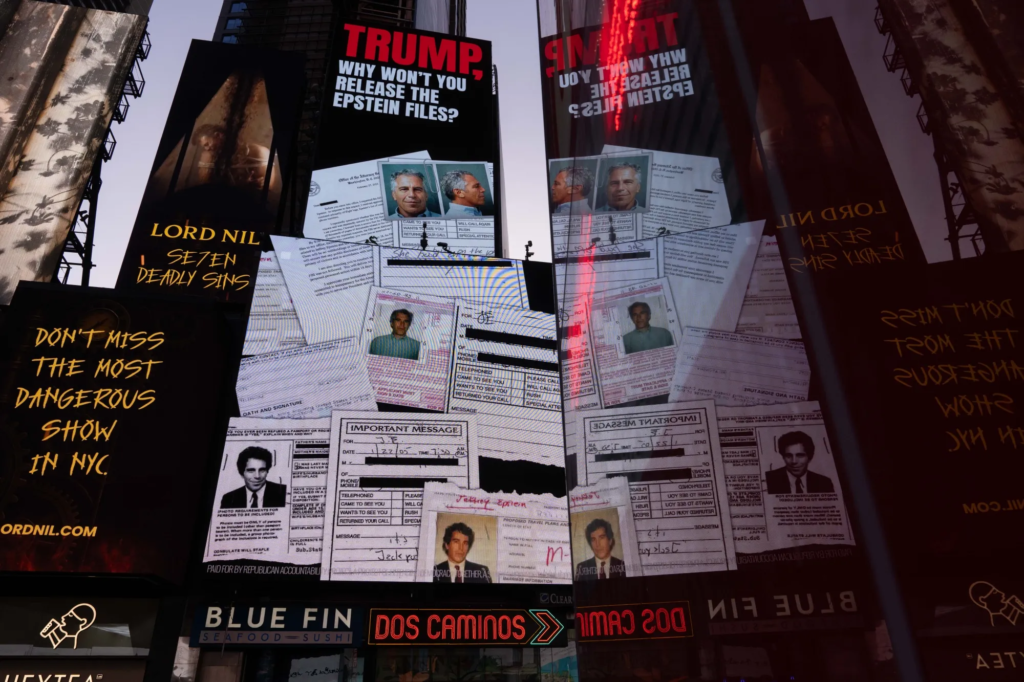
New Epstein photos released by Democrats on the House Oversight Committee have reopened uncomfortable questions about power, proximity, and accountability in one of the most disturbing scandals of recent decades. The images, drawn from Jeffrey Epstein’s digital records and estate, were made public just ahead of a Justice Department deadline to release all remaining files related to his case.
While the photographs do not establish criminal guilt on their own, they offer a window into Epstein’s social world and raise deeper questions about how elite networks operate beyond public scrutiny.
What Was Released and Why Now
The House Oversight Committee released around 70 photographs, part of a much larger cache of nearly 95,000 images handed over by Epstein’s estate. These images were obtained from Epstein’s computers and email accounts and were provided to lawmakers without explanatory context.
The timing is deliberate. The release came on the eve of the Justice Department’s deadline to disclose its remaining Epstein-related files, following a congressional mandate aimed at increasing transparency.
Democratic members of the committee have framed the disclosure as an effort to pressure the executive branch to release what it holds.
What the New Epstein Photos Show
High-Profile Figures in Epstein’s Orbit
Several images show Epstein in proximity to globally recognised figures.
One photograph features Bill Gates, former Microsoft CEO, standing beside a woman whose face has been redacted. Another shows Noam Chomsky, the prominent intellectual, seated next to Epstein on a plane.
Additional photographs depict social gatherings involving business leaders, academics, and media figures. In one image, Sergey Brin, Google’s co-founder, appears seated next to David Brooks, a columnist for The New York Times, in what appears to be a dinner setting.
A spokesperson for the newspaper stated that Brooks attended the event in his professional capacity and had no further contact with Epstein.
Women, Redactions, and Power Imbalance
A recurring feature of the images is the presence of women whose faces have been deliberately obscured.
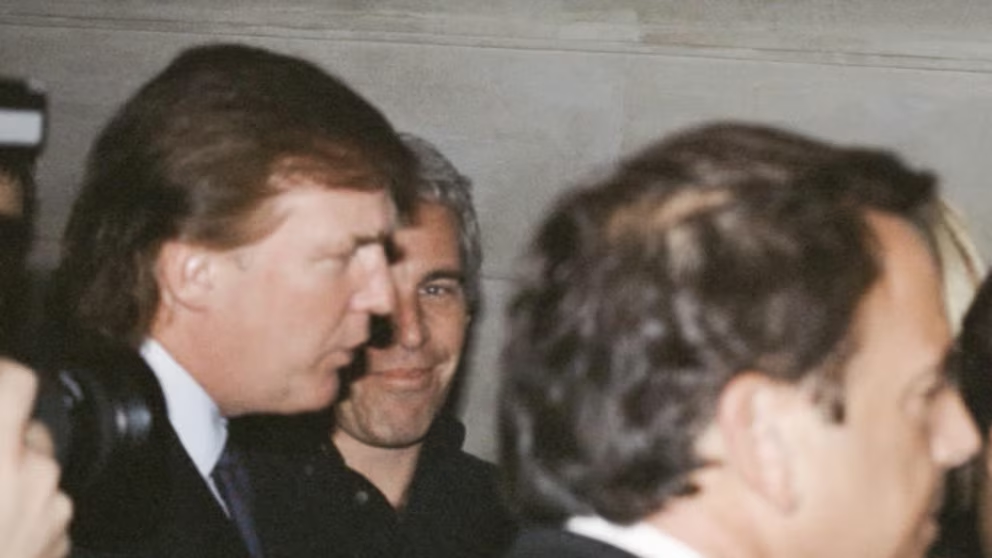
Several photographs show Epstein with multiple women in close proximity. One image appears to show Epstein seated beside an open computer with three women nearby, one with her arm around his shoulder. Another shows Epstein seated on a plane, gesturing out of a window while a woman sits closely beside him.
The redactions themselves are significant. They suggest the presence of individuals whose identities remain protected, reinforcing concerns about vulnerability, consent, and exploitation within Epstein’s social environment.
Disturbing Visual Details
Some images stand out not because of who appears in them, but because of what they depict.
Close-up photographs show a foot and a neck marked with handwritten quotes from the novel “Lolita.” Given the book’s association with sexual exploitation of a minor, these images have drawn particular attention and discomfort.
Other photographs include:
- Passports and identification cards belonging to unidentified individuals from countries such as Russia and the Czech Republic
- A hand holding Epstein’s own passport
- A screenshot of text messages reading, “I will send u girls now”
- Another message referring to “someone… good for J?” alongside age and body measurements
- A hand holding a bottle of phenazopyridine, a medication typically used for urinary pain
These details do not stand alone as evidence of specific crimes, but collectively they reinforce the pattern of behaviour that defined Epstein’s criminal case.
What the Photos Do — and Do Not — Prove
No Automatic Criminal Liability
It is important to draw a clear line between association and accusation. Appearing in a photograph with Epstein does not imply involvement in criminal activity.
Many of the figures shown have either denied wrongdoing or stated that any contact with Epstein was limited, professional, or incidental.
What They Do Reveal
What the new Epstein photos released clearly show is the breadth of Epstein’s access. He moved comfortably among powerful figures across technology, academia, media, and politics.
The images underscore how Epstein cultivated proximity to influence, using wealth, exclusivity, and social capital to embed himself in elite circles long after serious allegations were known.
The Political Context of the Release
Pressure on the Justice Department
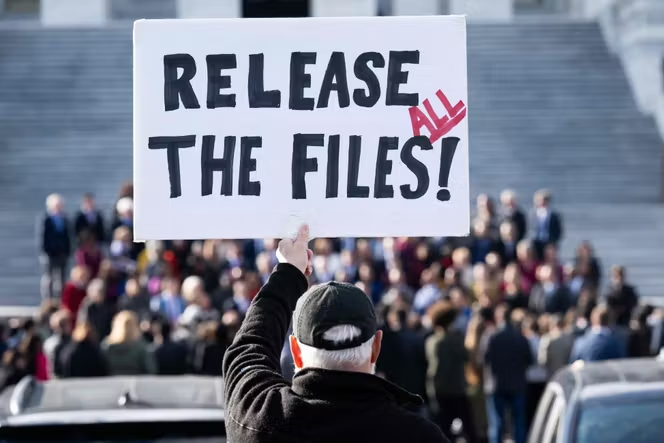
The release comes as lawmakers accuse the Justice Department of withholding information related to the Epstein investigation.
Democratic members of the House Oversight Committee argue that transparency has been incomplete and that the public has a right to know what the government possesses.
Statements accompanying the release accuse the executive branch of maintaining a cover-up, a claim the administration has not accepted.
Why Epstein Still Matters Years Later
Jeffrey Epstein’s death in 2019 did not end the story. It froze it.
Key questions remain unanswered:
- Who enabled him?
- Who benefited from his network?
- Why were earlier warnings ignored?
- What did authorities know, and when?
The new Epstein photos released add texture to these questions, even if they do not resolve them.
Power, Proximity, and Accountability
At its core, the Epstein case is not just about one individual. It is about systems.
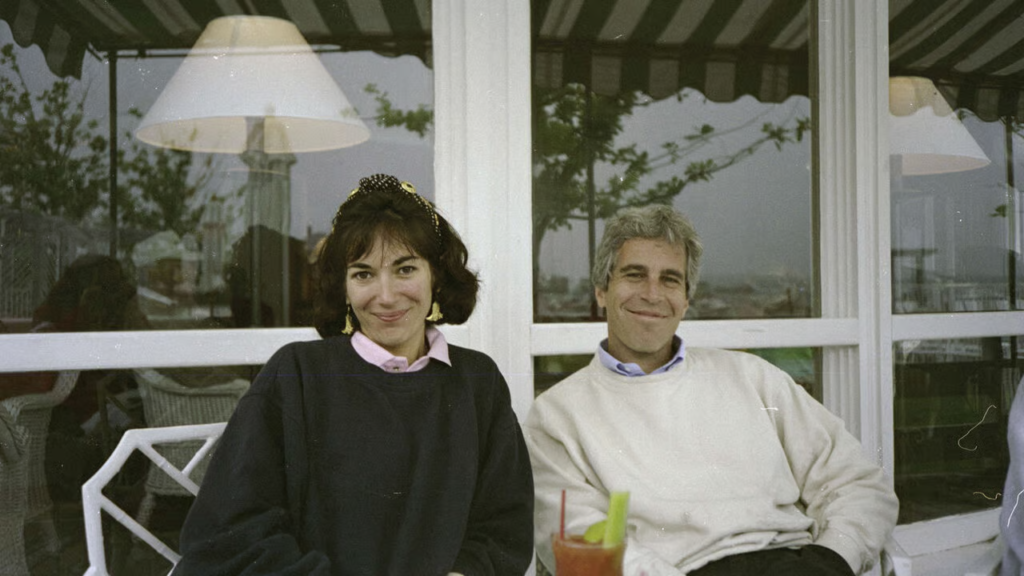
Epstein exploited gaps between law enforcement, wealth, reputation, and institutional reluctance. The photographs illustrate how proximity to power can shield behaviour from scrutiny, and how social legitimacy can be weaponised.
Transparency, in this sense, is not about public shaming. It is about understanding how such systems fail — and how they can be reformed.
What Happens Next
The Justice Department is expected to release additional files under congressional mandate. Whether those disclosures provide clarity or deepen ambiguity remains to be seen.
What is clear is that the Epstein case continues to test public trust in institutions tasked with enforcing the law impartially.
Conclusion
The new Epstein photos released this week do not deliver closure. They deliver context.
They reveal the scope of Epstein’s social reach, the discomforting normalisation of his presence in elite spaces, and the unresolved tension between power and accountability.
As more information enters the public domain, the challenge is not to react with outrage, but to ask harder questions about transparency, oversight, and the structures that allowed such abuse to persist.
What matters now is not who appears in a photograph, but whether institutions are finally willing to confront what those photographs represent.
ALSO READ: US war with Venezuela – 7 Shocking Ways the US Is Already at War With Venezuela
ALSO READ: Modi Address Ethiopia Parliament: Global South Vision Explained in 7 points
Frequently Asked Questions
1. What are the new Epstein photos?
They are images taken from Jeffrey Epstein’s computers and email accounts, released by the House Oversight Committee.
2. Do the photos prove wrongdoing by public figures?
No. The photos show associations, not evidence of criminal activity.
3. Why were the photos released now?
They were released ahead of a Justice Department deadline to disclose remaining Epstein-related files.
4. What is the broader significance of this release?
The images highlight unresolved questions about power, accountability, and transparency in the Epstein case.


Pingback: Bangladesh unrest Sharif Osman Hadi - TheGlobalAngle
Pingback: Calculated Power Move: US ISIS Strikes in Syria 5 Signals
Pingback: Epstein Files Release: Lawmakers Move to Challenge DOJ Oversight of Remaining Sealed Court Documents