Analysis: Russia Ukraine Energy Attack Jan 2026 & Peace Talk Impact
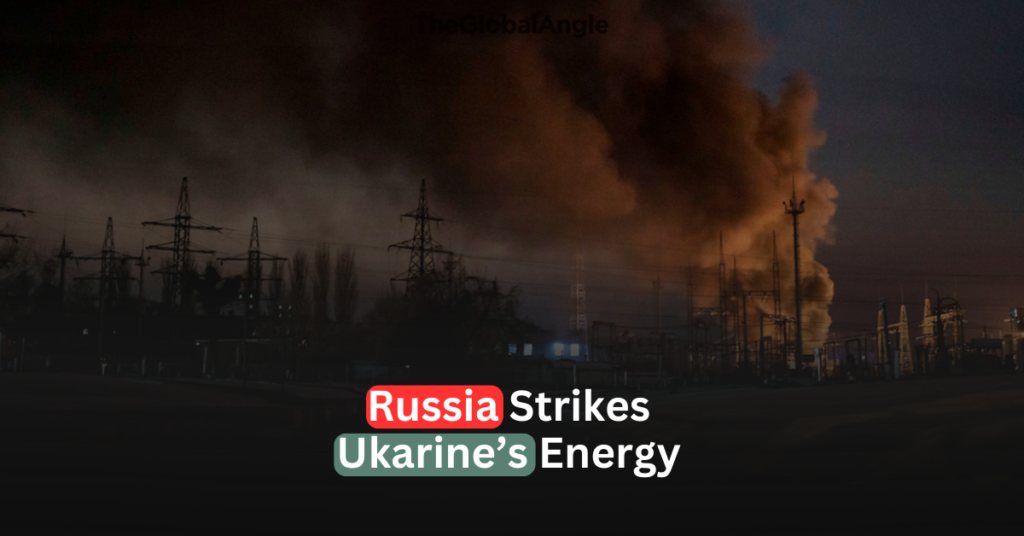
The geopolitical paradox of the Ukraine war was on stark display this Saturday. While diplomats in Abu Dhabi gathered for the second day of high-stakes trilateral negotiations, the Russian military launched one of its most ferocious aerial assaults of the winter. In the early hours of January 24, 2026, a massive Russian air attack on Ukraine’s energy system plunged over 1.2 million properties into darkness, effectively freezing the capital as temperatures hovered around -10 degrees Celsius (14°F).
This calculated escalation appears to be a direct message from Moscow to the negotiating table: the Kremlin is willing to weaponize a humanitarian catastrophe to force territorial concessions. The Russia Ukraine Energy Attack Jan 2026 utilized a staggering combination of 375 drones and 21 missiles, overwhelming air defenses and pushing Ukraine’s already fragile power grid to the breaking point.
The Scale of the Bombardment
The overnight assault was distinguished not just by its timing but by its sheer volume. Ukraine’s air force reported that the barrage included two rare Tsirkon hypersonic cruise missiles, weapons typically reserved for high-value targets. The attack focused heavily on the capital, Kyiv, and the northern region of Chernihiv.
In Kyiv alone, over 800,000 residents were left without electricity. The situation was compounded by the failure of the centralized heating system, leaving nearly 6,000 buildings freezing in sub-zero conditions. Kyiv Mayor Vitali Klitschko confirmed that many of these buildings had only just had their heating restored from previous attacks earlier in the month, highlighting the relentless “whack-a-mole” struggle facing Ukrainian utility workers.
Operational Impact Data (Jan 24, 2026)
| Metric | Details |
| Total Projectiles | 375 Drones, 21 Missiles (2 Tsirkon) |
| Power Outages | 1.2 Million Properties (Nationwide) |
| Kyiv Impact | 800,000 without power; 6,000 buildings without heat |
| Casualties | 1 Killed (Kyiv), 23+ Injured (Kyiv/Kharkiv) |
| Key Targets | Energy Grid, Medical Facilities, Dormitories |
Kharkiv: A City Under Siege
While Kyiv grabbed international headlines, the situation in Ukraine’s second-largest city, Kharkiv, remains dire. Located just 30 km (18 miles) from the Russian border, Kharkiv faces almost zero reaction time for air defense. Mayor Ihor Terekhov reported that 25 drones struck the city, targeting civilian infrastructure that has no military value.
The drone strikes hit a dormitory housing displaced persons—those who had already fled the front lines—as well as two medical facilities, including a maternity hospital. This targeting pattern aligns with a broader strategy to degrade civilian morale. With 19 people injured in Kharkiv, including a child, the strikes serve as a brutal counter-narrative to the diplomatic language of “security guarantees” being discussed in the UAE.
Diplomacy Under Fire
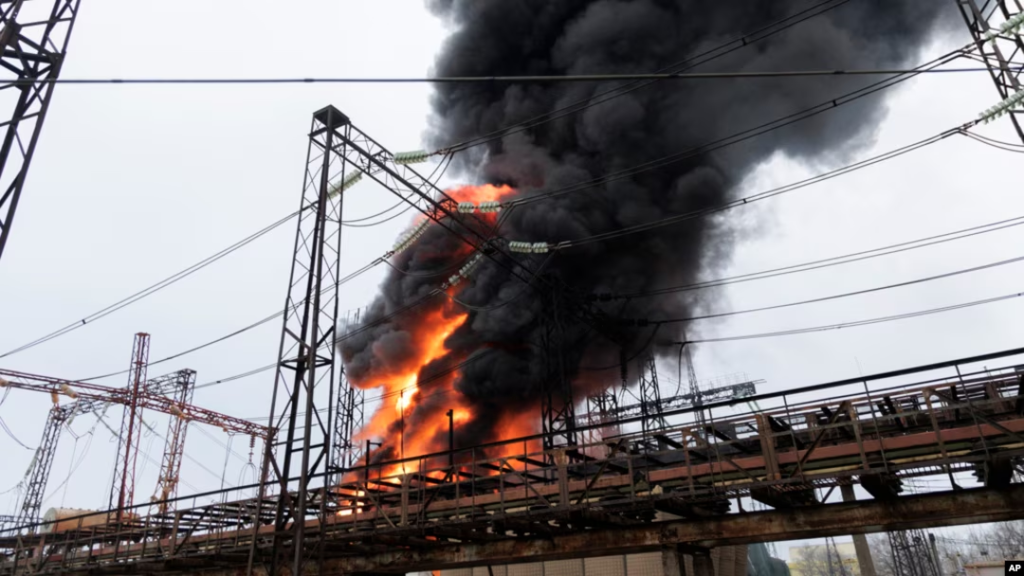
The timing of the Russia Ukraine Energy Attack Jan 2026 creates a complex dynamic for the trilateral talks in Abu Dhabi. Negotiations mediated by the United States are reportedly stuck on the issue of territorial control in the Donbas. By launching this attack during the talks, President Vladimir Putin is signaling that the alternative to a deal is the total collapse of the Ukrainian state’s viability.
Deputy Prime Minister Oleksiy Kuleba stated that 400,000 people in the Chernihiv region were also cut off, widening the radius of the crisis. For the Ukrainian delegation in Abu Dhabi, the pressure is immense. They must negotiate sovereign borders while their capital freezes, a tactic designed to force a “peace at any price” scenario. However, historical precedence suggests such attacks often harden Ukrainian resolve rather than break it.
Future Outlook: The Breaking Point?
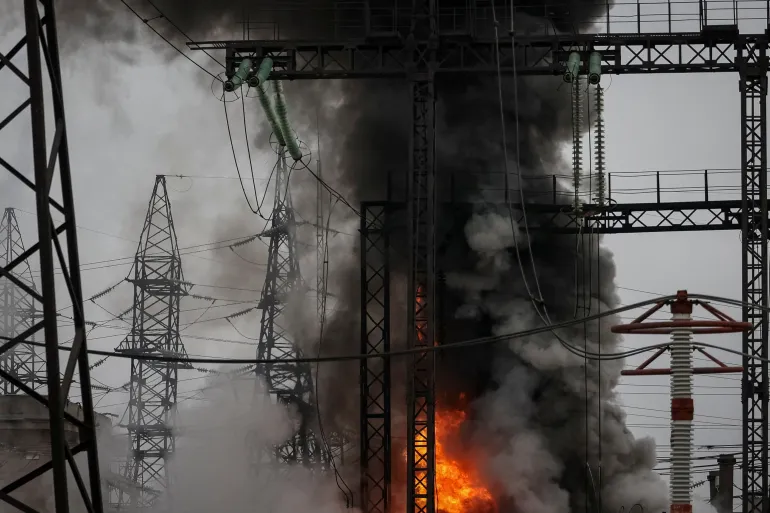
As emergency crews work through Saturday to restore power, the immediate question is whether Ukraine’s energy grid can survive the remainder of the winter. Maxim Timchenko, head of Ukraine’s top private power producer, has already warned of a nearing “humanitarian catastrophe.”
If the Abu Dhabi talks conclude on Saturday without a ceasefire or a specific agreement to halt energy strikes, Ukraine faces a perilous few months. Western allies may be forced to accelerate the delivery of additional air defense systems, but the sheer volume of Russian drone production suggests that the “war of attrition” has now shifted decisively to the energy front.
FAQ
What happened during the Russia Ukraine Energy Attack Jan 2026?
Russia launched 375 drones and 21 missiles, knocking out power to 1.2 million properties and cutting heating to 6,000 buildings in Kyiv during sub-zero temperatures.
How many people were affected in Kyiv?
Approximately 800,000 people lost power in the capital, and one person was killed during the overnight strikes.
Did the attack affect the peace talks?
The attack occurred simultaneously with the trilateral peace talks in Abu Dhabi, likely intended to pressure the Ukrainian delegation into territorial concessions.
What specific weapons were used?
The barrage included hundreds of attack drones and rare Tsirkon hypersonic missiles, indicating a high-level escalation by Moscow.
ALSO READ: Inside the high-stakes Trilateral Peace Talks in Abu Dhabi as Ukraine faces a winter crisis
ALSO READ: Historic First Trilateral Talks Ukraine Russia US 2026 is set in Abu Dhabi to end the war.