Southern California Flash Flooding Puts Region on High Alert
Introduction
Southern California flash flooding intensified on Wednesday as torrential rains swept across the region, triggering mud flows, road closures, and emergency rescues. Authorities urged residents in vulnerable areas to evacuate or shelter in place, warning that conditions could remain dangerous through Christmas Day.
The storm arrived during a peak holiday travel period, compounding risks on already saturated roads. While no casualties were reported, officials described the situation as life-threatening in several communities.
Rescues and Road Closures Multiply
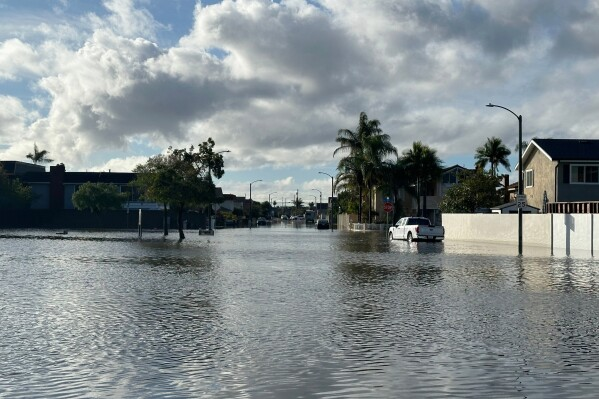
In the mountain resort town of Wrightwood, east of Los Angeles, emergency crews responded to dozens of rescue calls throughout the day. Firefighters pulled drivers from submerged vehicles as floodwaters overtook roads and neighborhoods.
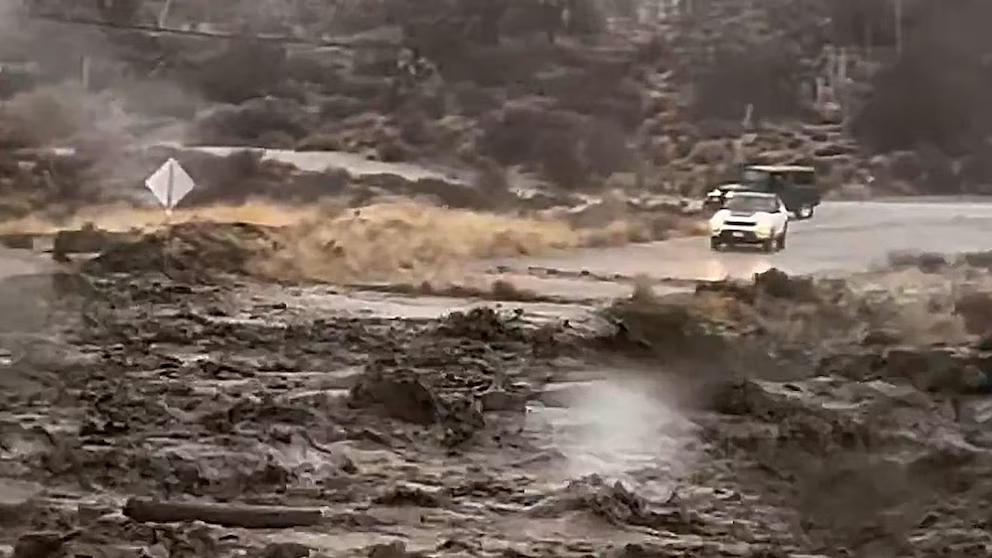
Aerial footage released by local authorities showed mud coursing through cabin communities, underscoring how quickly conditions deteriorated. The San Bernardino County Sheriff’s Department initially issued an evacuation warning before upgrading it to a shelter-in-place order as flooding worsened.
Atmospheric Storm Drives Extreme Rainfall
The Southern California flash flooding was driven by an atmospheric storm system drawing dense moisture from the Pacific Ocean.
In some areas, rainfall exceeded one inch per hour. According to meteorologists, this type of storm delivers concentrated rainfall over a short period, overwhelming drainage systems and destabilizing hillsides.
The storm system was expected to persist through Friday, extending the threat beyond a single day.
Los Angeles County Under Flash Flood Warnings
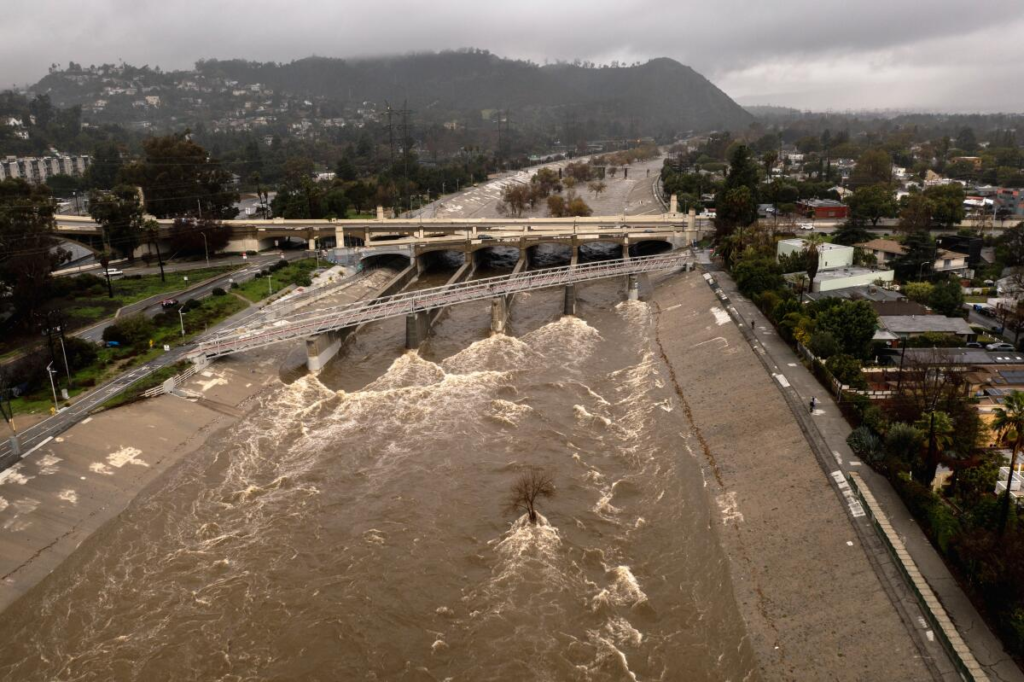
Large portions of Los Angeles County remained under a flash flood warning until Wednesday evening.
Officials urged motorists not to travel unless evacuating from flood-prone zones. City authorities highlighted particular concern for areas affected by last year’s wildfires, where burned vegetation has left hillsides vulnerable to debris flows.
About 130 homes in the Pacific Palisades area were placed under evacuation orders due to heightened mudslide risk.
Mudslides and Infrastructure Damage
Southern California flash flooding was accompanied by strong winds that downed trees and power lines, worsening conditions across the region.
Rockslides were reported in mountain areas, and the Angeles Crest Highway was closed in multiple stretches due to flooding. These closures disrupted a major transportation corridor through the San Gabriel Mountains.
Emergency officials stressed that even brief exposure to flooded roadways could be deadly.
Rainfall Totals Reach Alarming Levels
Meteorologists reported that by early Wednesday morning, some foothill regions had already received between four and eight inches of rain.
Forecasts warned that by the end of the week, more than a foot of rain could fall in certain lower-terrain mountain areas. Such volumes significantly increase the likelihood of landslides, flash floods, and structural damage.
In higher elevations of the Sierra mountains, the storm system was expected to deliver heavy snowfall.
Rare Tornado Warning Issued
Adding to the unusual weather pattern, forecasters issued a rare tornado warning for a small portion of east-central Los Angeles County.
The warning was linked to intense thunderstorm activity near the community of Alhambra. While tornadoes are uncommon in Southern California, meteorologists cautioned that extreme atmospheric instability made such events possible.
The warning highlighted how volatile the storm system had become.
Second Wave Expected to Hit
Although rainfall eased in some areas by Wednesday night, forecasters warned that a second wave of the storm system was approaching.
This next phase was expected to bring renewed heavy rain on Thursday, raising concerns that already saturated ground could fail more easily. Authorities warned residents not to assume the danger had passed.
Emergency services remained on high alert across multiple counties.
Why This Storm Is Especially Dangerous
Southern California flash flooding poses unique risks due to the region’s geography.
Steep terrain, wildfire-scarred hillsides, and dense urban development combine to amplify flood impacts. When heavy rain falls rapidly, runoff accelerates downhill, carrying debris that can overwhelm neighborhoods within minutes.
Officials stressed that residents should take evacuation orders seriously, even if skies appear calm.
Holiday Travel Disrupted
The timing of the storm has complicated holiday travel plans across Southern California.
Unsafe driving conditions, highway closures, and emergency warnings have disrupted what is typically one of the busiest travel periods of the year. Authorities emphasized that avoiding travel could prevent additional rescues and reduce strain on emergency responders.
Public messaging focused on safety over convenience.
What Comes Next
Forecasters expect storm conditions to remain hazardous through Christmas Day, with additional rainfall likely.
Emergency officials will continue monitoring vulnerable zones, particularly wildfire burn areas and mountain communities. Residents are urged to stay informed through official weather alerts and local advisories.
The coming days will test the region’s preparedness and emergency response systems.
Conclusion
Southern California flash flooding has transformed a seasonal storm into a widespread emergency, exposing the region’s vulnerability to extreme weather.
While the immediate priority remains safety, the event also raises broader questions about infrastructure resilience and disaster readiness. As climate-driven weather extremes become more frequent, Southern California’s ability to adapt will face increasing scrutiny.
For now, officials are clear on one message: stay off the roads and stay alert.
Frequently Asked Questions
What caused the Southern California flash flooding?
A powerful atmospheric storm system delivering intense rainfall over short periods.
Have there been any reported casualties?
As of Wednesday night, no casualties were reported by authorities.
Which areas are most at risk?
Mountain communities, wildfire burn zones, and low-lying urban areas.
Is more rain expected?
Yes, a second wave of the storm system is forecast to hit on Thursday.
ALSO READ: US Quarantine of Venezuelan Oil Signals New Phase in Pressure on Maduro
ALSO READ: Prince William Royal Christmas Traditions May Change Under Future King