
Analysis: Syrian Kurdish Rights Decree 2026 and SDF Withdrawal
The political architecture of post-war Syria underwent a significant transformation this week. On Friday, January 16, 2026, President Ahmed al-Sharaa issued a landmark executive order formally known as the Syrian Kurdish Rights Decree 2026. This decree represents the first time since independence in 1946 that the central government has formally recognized the Kurdish minority as an “integral part” of the nation. The move comes simultaneously with a major military de-escalation in Aleppo, where Kurdish-led forces have agreed to withdraw from key territories, signalling a complex “carrot and stick” strategy by the transitional government.

The “Carrot”: Formal Recognition and Language Rights
Decree No. 13 of 2026 is a direct attempt to address decades of systemic grievances. For over half a century, the Kurdish population in Syria faced suppression, most notably through the 1962 census which stripped thousands of their citizenship. President al-Sharaa’s new order reverses this policy, granting full Syrian nationality to those previously categorized as stateless “ajanib” (foreigners).
Furthermore, the decree elevates the status of the Kurdish language. It is now recognized as a “national language,” permitting its instruction in public schools within Kurdish-majority regions. Additionally, Newroz—the Kurdish New Year celebrated on March 21—has been designated as an official national public holiday. In a televised address, the President framed these concessions as essential for a “unified and pluralistic Syria,” urging the Kurdish population to integrate into the new state rather than seek separation.
Key Provisions of the 2026 Decree
| Policy Area | New Measure | Historical Context |
| Language | Recognized as “National Language” | Previously banned in public life |
| Citizenship | Restored for 1962 census victims | Thousands were “stateless” |
| Holidays | Newroz (Mar 21) is a Public Holiday | Previously celebrated informally |
| Identity | Kurds declared “Integral Part” of Syria | Countering separatist narratives |
The “Stick”: The Military Shift in Aleppo
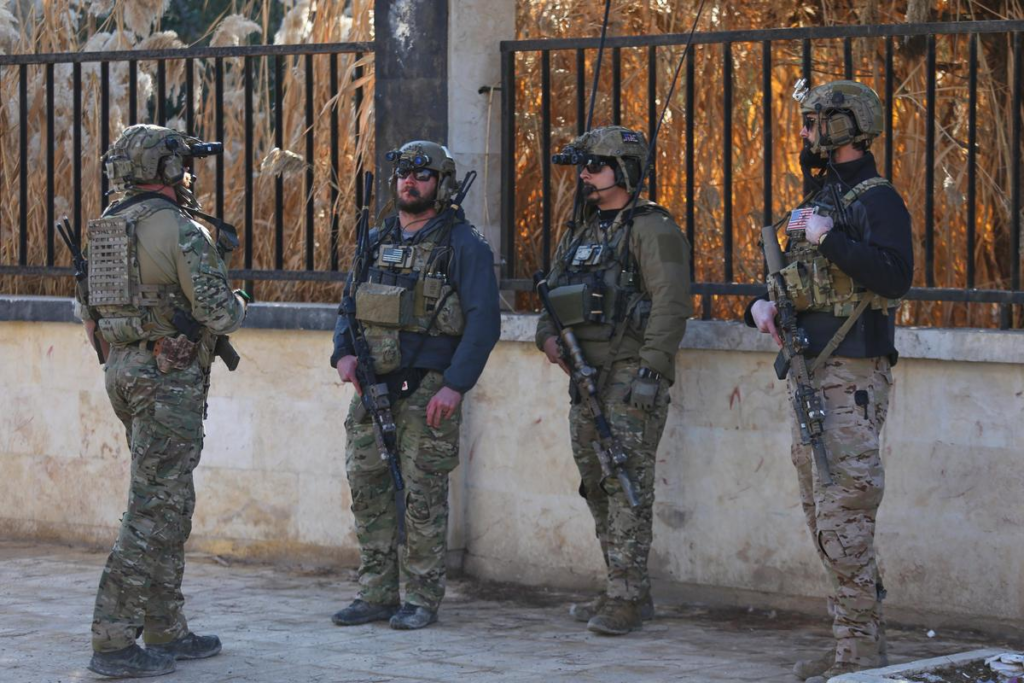
While the decree offers political inclusion, the military reality on the ground reflects the government’s uncompromising stance on sovereignty. Earlier this month, intense clashes erupted in Aleppo between the Syrian Army and the Kurdish-led Syrian Democratic Forces (SDF). The violence centered on the Kurdish-majority neighborhoods of Sheikh Maqsood and Ashrafiyeh, as well as the strategic towns of Deir Hafer and Maskana in the eastern countryside.
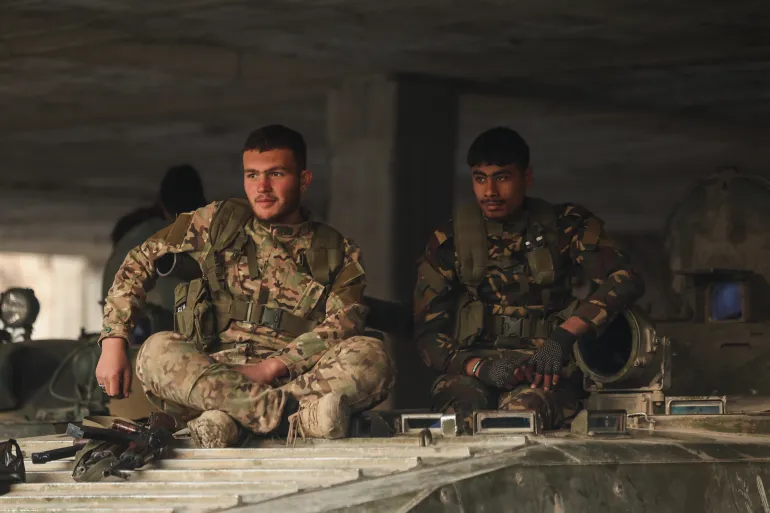
Following a mediation process involving regional powers, the SDF agreed to a tactical withdrawal. As of Saturday morning, Kurdish units have largely vacated these areas, relocating east of the Euphrates River. The Syrian Army has subsequently declared Deir Hafer and Maskana as “secure zones,” effectively re-establishing central government control over the vital Aleppo transport corridors. This withdrawal suggests that while the SDF retains autonomy in the northeast, its influence in Aleppo city has been effectively neutralized.
Future Outlook: Integration vs. Autonomy
The concurrent release of the Syrian Kurdish Rights Decree 2026 and the military pressure on the SDF highlights the dual-track strategy of the al-Sharaa administration. The government appears willing to grant cultural and civil rights (the carrot) in exchange for the dissolution of independent military structures (the stick).
The critical question for the remainder of 2026 is whether the SDF will agree to full military integration into the national army. If the decree is implemented in good faith, it may isolate hardline separatist elements and encourage civilian Kurds to support the central state. However, if the Syrian Army pushes further east across the Euphrates into the oil-rich regions of Hasakah, the current fragile peace could collapse into a renewed, broader conflict.
FAQ
What is the Syrian Kurdish Rights Decree 2026?
It is a presidential order issued by Ahmed al-Sharaa that recognizes Kurdish as a national language, grants citizenship to stateless Kurds, and makes Newroz a national holiday.
Is the war in Syria starting again?
There were recent clashes in Aleppo, but they have paused due to a withdrawal agreement. The conflict is now focused on integrating the SDF into the national army rather than toppling a regime.
Why did the SDF withdraw from Aleppo?
The SDF withdrew to avoid a full-scale war with the Syrian government and to comply with a mediated deal that moves their forces east of the Euphrates River.
Who controls the city of Aleppo now?
The Syrian government forces (Syrian Army) now have full military control over Aleppo city, including the districts previously held by Kurdish forces.
Pingback: Trump Board of Peace Global Mandate 2026 Analysis