Tarique Rahman I Have a Plan Speech and a Carefully Chosen Political Moment
Introduction
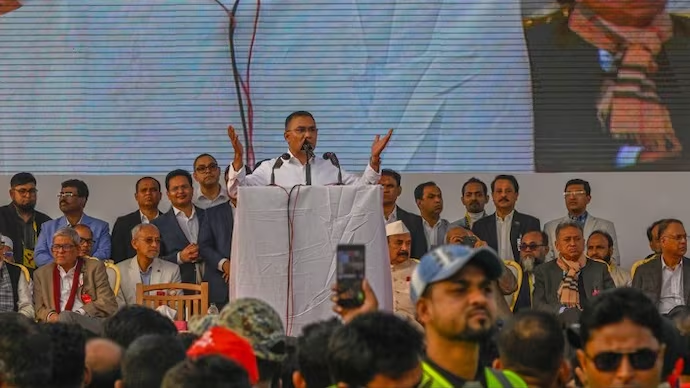
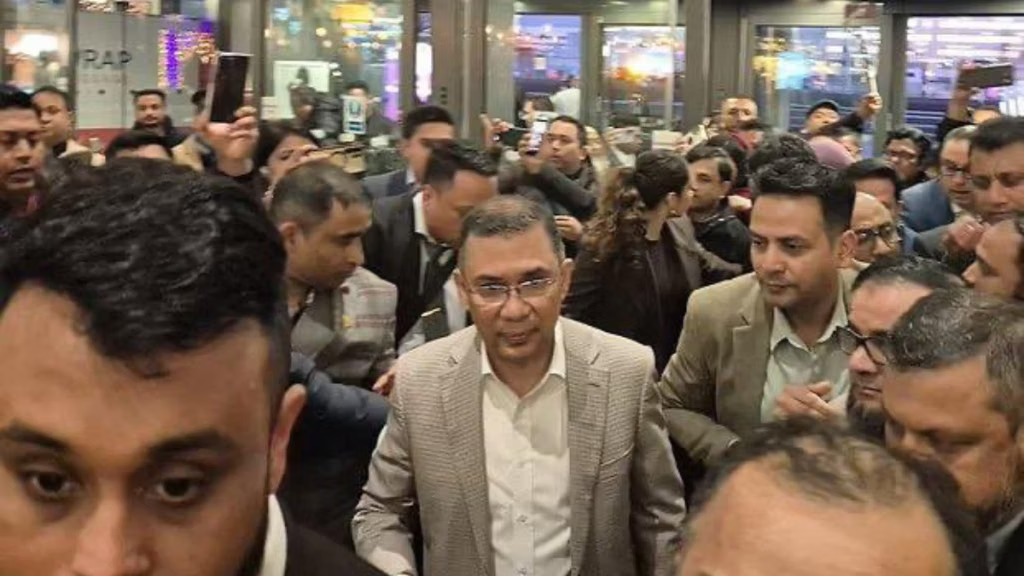
Tarique Rahman I have a plan speech marked his formal re-entry into Bangladesh’s political life after 17 years in exile. Addressing a massive crowd in Dhaka, the Bangladesh Nationalist Party’s acting chairman framed his return not as a comeback, but as the beginning of a deliberate national project.
By invoking Martin Luther King Jr.’s famous “I have a dream” speech, Rahman positioned himself as a leader with foresight rather than grievance. The comparison was symbolic, but the timing was political, coming as Bangladesh enters a fragile transition phase ahead of national elections.
Why the Speech Matters
This was not just Rahman’s first speech on Bangladeshi soil since 2008. It was his first opportunity to define himself publicly beyond exile, legal battles, and political inheritance.
The Tarique Rahman I have a plan speech sought to shift attention from his past to his intentions. Speaking to party workers, activists, and ordinary citizens, he repeatedly emphasised planning, responsibility, and collective participation rather than confrontation.
In a polarised environment, that choice was deliberate.
The Martin Luther King Reference
Rahman’s reference to Martin Luther King Jr. was the most striking moment of the address.
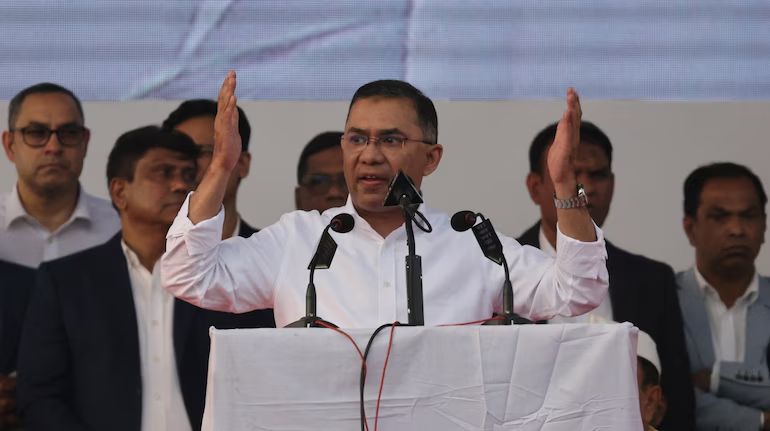
“American civil rights activist Martin Luther King, in a public speech, said, ‘I have a dream.’ Like him, I want to say, I have a plan for Bangladesh,” Rahman told the crowd.
The comparison was not ideological. Instead, it was rhetorical. Rahman used it to underline purpose, patience, and moral responsibility rather than protest or agitation.
Framing Bangladesh as ‘Beloved’
Throughout the speech, Rahman referred to the country as “Beloved Bangladesh,” a phrase that softened the tone of what could otherwise have been a charged political rally.
He thanked BNP supporters who stood by the party during his absence and urged citizens to become partners in nation-building. The Tarique Rahman I have a plan speech avoided specific policy details, focusing instead on direction and intent.
This approach allowed him to speak to a wider audience beyond party loyalists.
Linking 1971 and 2024
Rahman drew a direct line between Bangladesh’s 1971 Liberation War and the 2024 uprising that led to the fall of Sheikh Hasina’s government.
“We liberated Bangladesh in 1971. We liberated it again in 2024,” he said, framing recent unrest as a continuation of the country’s independence struggle.
By invoking martyrdom and sacrifice, Rahman sought to place current political change within a historical narrative of resistance and renewal.
Condemnation of Violence and Osman Hadi Reference
In a notable moment, Rahman expressed condolences for the killing of youth leader Sharif Osman Hadi.
Referring to Hadi’s vision of a democratic Bangladesh, Rahman vowed justice for his murder. This was significant because it allowed Rahman to address political violence without escalating rhetoric.
The Tarique Rahman I have a plan speech thus balanced emotional acknowledgment with a call for institutional accountability.
Message of Tolerance and Inclusion
One of the most substantive sections of the speech focused on social harmony.
Rahman emphasised that Bangladesh belongs to everyone, describing it as a land of hills and plains, home to Muslims, Hindus, Buddhists, and Christians. He spoke of building a country where every citizen can leave home safely and return safely.
At a time of rising tensions, this emphasis on tolerance was a strategic reassurance.
Peace, Economy, and Reform
Rather than centring the speech on revenge or political score-settling, Rahman highlighted peace, economic strength, and reform.
He argued that political change without economic stability would be incomplete. The Tarique Rahman I have a plan speech suggested that BNP’s future pitch will rest on governance outcomes rather than ideological confrontation.
However, details of this economic vision remain to be articulated.
Appeal to the Youth
Rahman directly addressed younger citizens, urging them to take responsibility for Bangladesh’s future.
He framed development and stability as collective duties rather than the work of a single leader. This generational appeal was important in a country where youth played a decisive role in the 2024 uprising.
The message positioned the younger population as stakeholders, not just voters.
The Political Context Behind the Speech
Rahman’s address took place against a transformed political backdrop.
With the Awami League barred from contesting elections, the BNP dominates the political field. Rahman’s return has narrowed the space further, raising both expectations and anxieties.
The Tarique Rahman I have a plan speech was therefore not only aspirational but also a signal of consolidation.
Between Vision and Execution
While the speech struck an inclusive and hopeful tone, it also raised questions.
Rahman spoke of plans without outlining timelines or policies. Supporters see this as strategic restraint. Critics argue that symbolism must now translate into substance.
The real test will be whether this vision can withstand the pressures of governance, security challenges, and economic demands.
Conclusion
Tarique Rahman I have a plan speech was carefully crafted to reset his political image and redefine the national conversation.
By invoking history, honouring martyrs, and calling for tolerance, Rahman positioned himself as a unifier at a moment of uncertainty. Whether this plan evolves into a coherent governing agenda will determine not only his political future, but Bangladesh’s path through a delicate transition.
For now, the speech has set the tone. The country is waiting for the details.
Frequently Asked Questions
What is Tarique Rahman’s ‘I have a plan’ speech about?
It outlines his vision for Bangladesh after returning from 17 years in exile.
Why did he mention Martin Luther King Jr.?
To symbolically frame his leadership as purposeful and future-oriented.
Did Rahman announce specific policies?
No, the speech focused on vision and values rather than policy detail.
Why is this speech politically important?
It marks Rahman’s formal re-entry into national politics ahead of elections.
ALSO READ: Tarique Rahman Return Bangladesh After 17 Years Changes Political Equation
ALSO READ: Unrest in Bangladesh Escalates as Violence, Diplomacy and Fear Collide
ALSO READ: Bangladesh Protests 2025: Unrest After Sharif Osman Hadi’s Death Explained