Trump Board of Peace Global Mandate 2026
The geopolitical architecture of the post-2025 world witnessed a significant potential disruption this weekend as United States President Donald Trump unveiled the broader ambitions of his “Board of Peace.” Initially presented as a mechanism to oversee the reconstruction of the Gaza Strip under Phase Two of the ceasefire agreement, the body is now being positioned as a “bold new approach” to resolving global conflicts. This expansion of mandate has raised questions in diplomatic circles about whether Washington intends to create a parallel multilateral structure that challenges the primacy of the United Nations.

From Gaza Reconstruction to Global Governance
The “Board of Peace” was first introduced as a technocratic solution to the governance vacuum in Gaza. Following the devastating war that has left the enclave in ruins, the Trump administration proposed a body to manage “governance capacity-building, regional relations, and capital mobilization.” This initiative includes a specialized “Gaza Executive Board,” featuring prominent figures such as former UK Prime Minister Tony Blair, World Bank President Ajay Banga, and Trump’s son-in-law Jared Kushner.
However, recent correspondence between President Trump and world leaders suggests a far wider scope. In letters sent to Argentine President Javier Milei and Paraguayan President Santiago Peña, Trump described the board as an entity that would “embark on a bold new approach to resolving Global Conflict.” A draft charter obtained by international media defines the board as an organization dedicated to securing “enduring peace in areas affected or threatened by conflict,” notably omitting any exclusive limitation to the Palestinian territories.
Structure of the Proposed Board
| Component | Function | Key Figures/Nations |
| Chairman | Ultimate Authority | Donald Trump (USA) |
| Executive Board | Strategic Oversight | Marco Rubio, Tony Blair, Jared Kushner, Ajay Banga |
| Gaza Executive Board | Local Administration | Nickolay Mladenov, Hakan Fidan (Turkey), Reem Al-Hashimy (UAE) |
| Member States | Funding & Legitimacy | Argentina, Paraguay, Albania, Canada (Invited), Turkey (Invited) |
The “Pay-to-Play” Controversy and UN Parallels
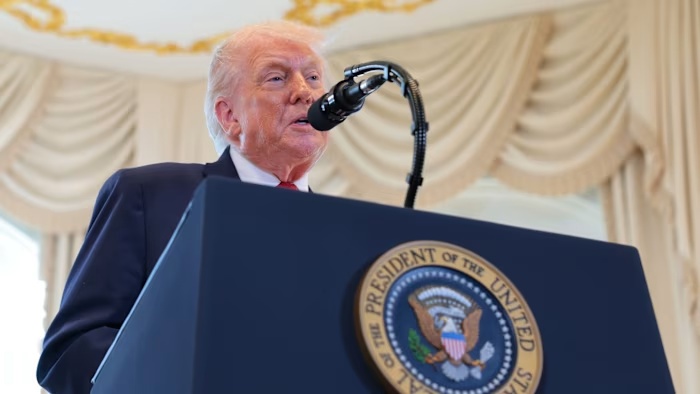
A central point of contention emerging from the board’s formation is its funding model. Reports indicate that the draft charter includes a provision offering “permanent membership” to states that contribute at least $1 billion to the board’s fund. While the White House has dismissed characterizations of this as a “fee” as misleading, it acknowledged that permanent status is available to partners demonstrating a “deep commitment” to peace and security.
This structure has drawn immediate comparisons to a corporate board rather than a traditional diplomatic forum. Critics argue that this model prioritizes financial contribution over sovereign equality, a fundamental departure from the United Nations Charter. One diplomat described the initiative as a “Trump United Nations,” designed to bypass the gridlock of the UN Security Council by creating a coalition of the willing—and the wealthy.
The Situation in Gaza: The Immediate Test
While the Board of Peace expands its global vision, its immediate credibility rests on the situation in Gaza. The enclave remains in a catastrophic state following over two years of conflict, with a death toll surpassing 71,000. The “Gaza Executive Board” is tasked with overseeing the National Committee for the Administration of Gaza (NCAG), a technocratic body led by Ali Shaath, intended to replace Hamas in day-to-day governance.
However, the path to implementation is fraught with obstacles. Israeli Prime Minister Benjamin Netanyahu has publicly expressed opposition to the composition of the Gaza executive board, stating it was “not coordinated with Israel.” Without Israeli cooperation on security and logistics, the board’s ability to facilitate reconstruction or attract the necessary billions in investment remains theoretically sound but operationally paralyzed.
Future Outlook: A Rival to Multilateralism?
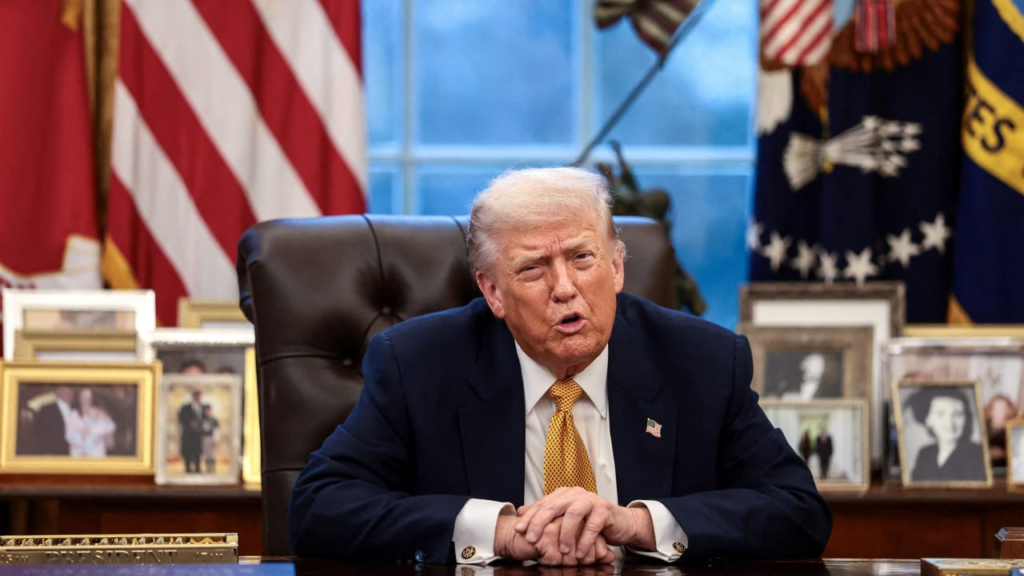
The establishment of the Trump Board of Peace signals a shift toward transactional multilateralism. By inviting leaders like Argentina’s Javier Milei and Turkey’s Recep Tayyip Erdogan—figures who have often had complex relationships with traditional Western institutions—Trump appears to be building an alternative bloc centered on US executive power.
If the board successfully stabilizes Gaza, it could gain the legitimacy required to intervene in other theaters of conflict. However, if it fails to secure buy-in from key regional players or becomes mired in disputes over its “pay-for-permanence” structure, it risks becoming a symbolic entity with little leverage on the ground. The coming weeks will be critical as the White House announces further members and attempts to secure the financial commitments necessary to operationalize this ambitious vision.
FAQ
What is the primary goal of the Trump Board of Peace?
Initially formed to oversee Gaza’s reconstruction, the board’s mandate has expanded to “resolving global conflicts” and promoting stability in various volatile regions.
Who are the key members of the Board of Peace?
The board is chaired by Donald Trump and includes Executive Board members like Marco Rubio, Tony Blair, Jared Kushner, and World Bank President Ajay Banga.
Is there a $1 billion fee to join the Board of Peace?
A draft charter suggests that contributing $1 billion grants a country “permanent membership,” bypassing three-year term limits. The White House states this reflects a “deep commitment” rather than a simple fee.
How does Israel view the Board of Peace?
Israeli Prime Minister Benjamin Netanyahu has opposed the makeup of the “Gaza Executive Board,” claiming it contradicts Israel’s policies and lacks coordination.