
Trump Says US Will Hit Drug Cartels on Land: A New Phase in U.S. Security Policy
Introduction
In a significant shift in U.S. security strategy, Trump says US will hit drug cartels on land, signaling an escalation of military and law enforcement operations against organised crime networks in Mexico. This announcement follows months of U.S. military outreach against drug trafficking at sea and broader interventions in Latin America.
The statement immediately drew sharp reactions in Mexico and across the region, raising questions about sovereignty, legal authority, and the evolving nature of U.S. involvement in security affairs beyond its borders.
What Trump Announced
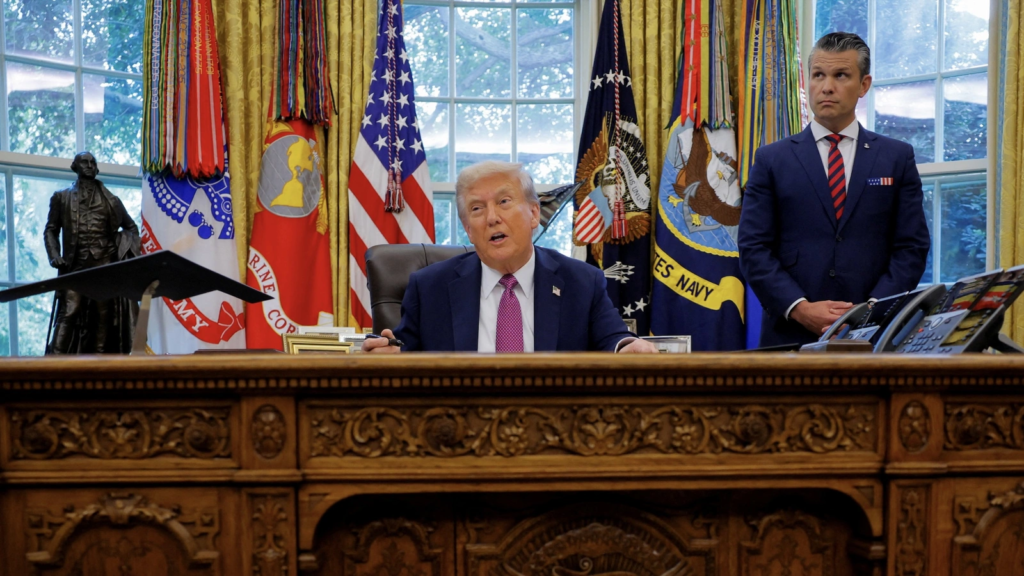
President Trump said in a televised interview that the United States will begin land-based strikes against drug cartels, insisting that cartels are “running Mexico” and contributing to a high number of drug-related deaths in the United States. He framed the move as an extension of ongoing efforts that had previously focused on maritime targets.
The remarks did not include detailed operational plans, specific targets, or a legal framework for how such strikes would be carried out. However, the statement effectively signals a willingness to broaden the geographic and tactical scope of the U.S. counter-drug campaign.
Why This Is a Major Escalation
Striking drug cartels on land — especially within Mexican territory — would represent a significant escalation compared to past U.S. actions that primarily targeted trafficking networks at sea and supported law enforcement cooperation.
Until now, U.S. operations against cartels have largely relied on interdiction at sea, intelligence sharing, and support to foreign anti-narcotics forces. Expanding to land assaults inside another sovereign state would mark a departure from traditional approaches, blurring lines between law enforcement and military action.
Regional Reactions and Sovereignty Concerns
The Mexican government has voiced strong objections, emphasising its national sovereignty and rejecting the idea of foreign military actions within its territory. Mexico’s leaders stressed that while cooperation on combating drug trafficking continues, unilateral military strikes would violate international norms and constitutional protections.
The response underscores a broader tension in the hemisphere: while drug trafficking and its social impacts are shared concerns, approaches that compromise national sovereignty can strain diplomatic relationships. Mexico reiterated that any effective combat against cartels must involve collaboration under mutual respect for territorial integrity.
Context: U.S. Military Campaigns and Venezuela Link
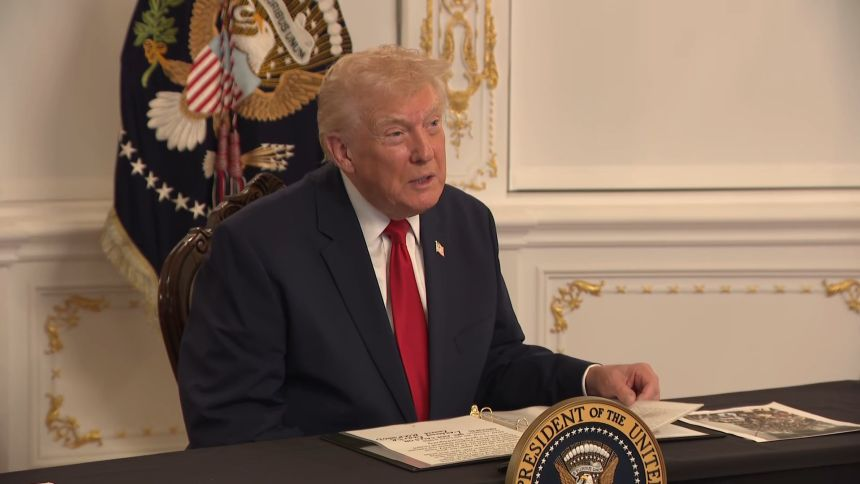
Trump’s announcement builds on a series of U.S. actions in the region aimed at countering drug trafficking and related security threats. The U.S. has conducted maritime operations against vessels linked to cartel activity, resulting in significant casualties and the designation of some groups as foreign terrorist organisations.
The recent capture of Venezuela’s president by U.S. forces — framed as part of a campaign against “narco-terrorism” — reflects how the Trump administration blends anti-drug objectives with broader geopolitical aims. The shift toward land strikes may reflect a continuation of that more assertive posture.
Implications for U.S.–Mexico Relations
Potential land strikes present a delicate challenge for U.S.–Mexico relations. Historically, cooperation between the two countries has focused on intelligence sharing, law enforcement support, and border security initiatives. A move toward direct military action would require careful diplomatic negotiation, legal authorisation, and potentially new bilateral frameworks.
Mexican resistance shows the limits of unilateral action in neighbourhood security matters. It also points to the importance of balanced strategies that combine law enforcement partnership with respect for national sovereignty.
Legal and International Law Considerations
Military action inside another sovereign nation raises complex legal questions under international law. Traditional justifications for cross-border strikes include self-defence against imminent threats or explicit consent from the host government. Absent clear legal authority, such actions risk breaching longstanding norms governing state sovereignty and the use of force.
In the U.S., any expanded military engagement typically involves debate over congressional authorisation and compliance with domestic and international legal frameworks.
Domestic Response and Policy Debate
Within the United States, the announcement is likely to fuel debate over the appropriate scope of executive power in national security and foreign operations. Supporters argue that combatting drug cartels requires decisive action given the scale of drug-related harms. Critics warn that military strikes abroad could escalate conflicts, provoke diplomatic blowback, and divert attention from domestic policy solutions.
The discussion reflects ongoing tensions between aggressive external action and cooperative strategies that address drug trafficking at its roots.
Looking Ahead: What to Watch
As this development unfolds, several key questions will shape the narrative:
- Will the U.S. clarify the legal basis for land strikes? Congress and legal institutions may demand more detailed justifications.
- How will Mexico respond diplomatically and legally? Sovereignty concerns could lead to formal protests or renegotiated security agreements.
- What impact will this have on cartel dynamics? The effectiveness of military strikes versus cooperative law enforcement remains contested.
The path forward will test the balance between national security imperatives and respect for international norms.
Conclusion
When Trump says US will hit drug cartels on land, it signals a pronounced shift in how Washington perceives and plans to confront organised crime networks. This announcement is more than rhetoric: it reflects an administration willing to reconsider traditional boundaries of engagement.
Whether this strategy yields meaningful reductions in drug trafficking or fuels deeper geopolitical tensions will depend on how carefully it is fleshed out, legally grounded, and collaboratively pursued.
As governments in the region react, the broader implications for U.S. leadership, diplomacy, and regional stability are only beginning to take shape.
Frequently Asked Questions
1. What did Trump mean by hitting cartels on land?
He signalled an expansion of operations against drug cartels from sea and law enforcement support to potential land-based strikes.
2. Is Mexico consenting to U.S. land strikes?
No. Mexican authorities have rejected foreign military action within their territory while affirming cooperative law enforcement.
3. Are these strikes legal under international law?
Cross-border military action without consent poses legal challenges and may violate norms protecting sovereignty.
4. How might this affect bilateral relations?
Strikes could strain U.S.–Mexico cooperation unless aligned with joint frameworks that respect territorial and legal considerations.
ALSO READ: Trump’s Donroe Doctrine: Why U.S. Is Reshaping Hemisphere Power
ALSO READ: ICE Shooting Minneapolis: Woman Killed as Trump, City Clash Over Truth

Pingback: 5 Shocking 2026 Midterm Elections Risks for Trump