
Trump’s Donroe Doctrine: Why the U.S. Is on a Collision Course With Great Powers
Introduction
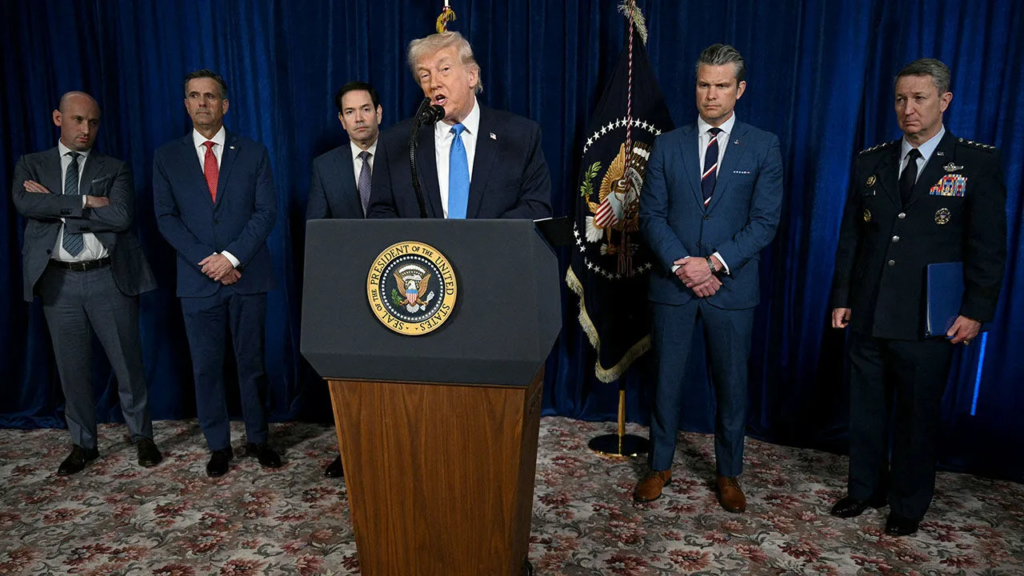
In 2026, President Trump has articulated a foreign policy reset that he refers to as the “Donroe Doctrine”, a modern adaptation of the 19th-century Monroe Doctrine. At its core, this doctrine seeks to reassert U.S. preeminence in the Western Hemisphere and prevent perceived encroachment by rival powers. It has already guided high-stakes actions in Venezuela, and its reach is raising concerns far beyond Latin America.
This doctrine matters now because it signals a shift from cooperative global engagement toward aggressive regional dominance, with implications for U.S. relations with Russia, China, Iran, NATO allies, and neighbouring countries.
What Is the “Donroe Doctrine”?
The Donroe Doctrine is President Trump’s reinterpretation of the Monroe Doctrine, which historically warned European powers against intervention in the Americas. In the present context, it aims to block not just European influence, but that of any external power — notably Russia and China — within the Western Hemisphere.
Under this doctrine, the United States positions itself as the unrivalled regional authority and has begun acting accordingly. The doctrine was invoked publicly by President Trump following a dramatic U.S. operation in Venezuela that resulted in the capture of President Nicolás Maduro and a broader campaign to enforce control over Venezuelan resources, notably oil.
Venezuela as the First Test Case
One of the clearest applications of the Donroe Doctrine was the U.S. military action in Venezuela. U.S. forces carried out strikes and captured the Venezuelan president, framing the operation as necessary to uphold U.S. security interests in its own hemisphere.
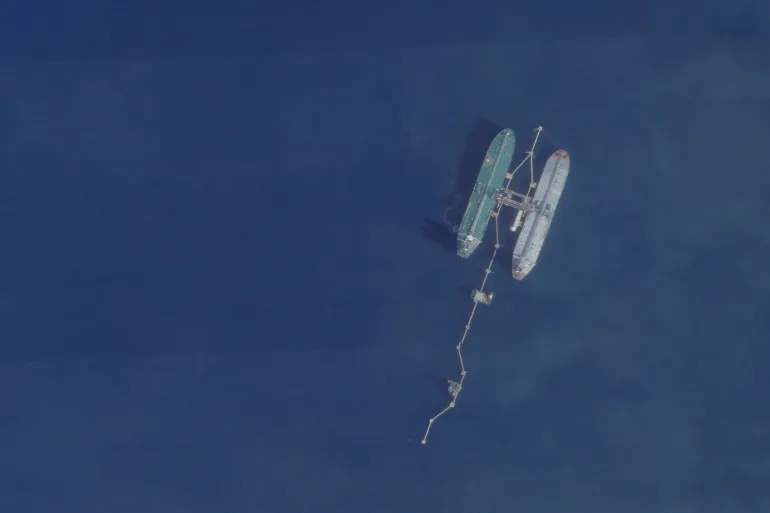
In 2026, the U.S. also seized multiple oil tankers linked to Venezuelan exports, including at least one Russian-flagged vessel after a lengthy pursuit. These seizures are part of a campaign to enforce sanctions and limit rival influence in the region’s oil markets.
This aggressive posture illustrates how the Donroe Doctrine translates rhetoric into action.
Great-Power Tensions: Russia and China on Notice
The doctrine’s most immediate external targets are Russia and China. Both countries have cultivated relationships with Venezuela and other regional partners in recent years. Beijing’s economic ties and Moscow’s diplomatic and security links have been cited by U.S. officials as evidence of foreign encroachment.
Under the Donroe Doctrine, Washington is signalling it will counter such influence with forceful measures — including military operations, sanctions enforcement, and control over strategic resources in the Americas.
This posture has already heightened tensions with Russia, which has expressed support for leadership in Caracas and characterised foreign intervention as a threat to sovereignty. It also underscores the growing geopolitical rivalry between Washington and Beijing over influence in key regions.
Beyond Venezuela: Hemisphere and Polar Ambitions
The doctrine’s scope is not confined to Latin America. It intersects with other controversial strategic ambitions, notably in the Arctic.
President Trump has repeatedly referenced the strategic importance of Greenland and signalled interest in asserting U.S. influence over the vast island. While this remains speculative and diplomatically sensitive, it reflects the doctrine’s broader logic: access to strategically vital terrain must remain under U.S. control, especially as other powers expand their footprint in polar regions.
Thus, what began as a hemispheric policy could extend into climate-induced geostrategic arenas.
Supporters and Critics
Proponents of the Donroe Doctrine argue that it corrects decades of perceived neglect in U.S. engagement in its own region and confronts emerging threats head-on. They see it as necessary to preempt foreign powers from gaining footholds that could compromise U.S. interests or threaten national security.
Critics, on the other hand, warn that this assertive policy risks alienating neighbours, undermining international law, and destabilising global consensus on state sovereignty. They argue that enforcing a sphere of influence through military and political pressure replicates the very power politics the U.S. has traditionally criticised when pursued by others. Such critics suggest that unilateral actions could erode U.S. legitimacy when raising concerns about territorial integrity in other theatres, such as the Taiwan Strait or Eastern Europe.
Implications for Global Order
The Donroe Doctrine’s adoption points to a potential realignment in global power dynamics:
- It signals that the United States may prioritise regional dominance over multilateral cooperation, even at the expense of longstanding alliances.
- It suggests that hemispheric security concerns can be used to justify military and economic interventions.
- It places the U.S. in direct ideological and strategic competition with Russia and China across multiple fronts.
This approach could create a paradox: actions justified at a hemispheric level might weaken America’s moral authority in resisting influence operations by other powers elsewhere.
Conclusion
Trump’s Donroe Doctrine represents a significant shift in American foreign policy — from cooperative diplomacy toward assertive dominance in its own region. Its application in Venezuela, its implications for great-power rivalry, and its potential extension to areas like Greenland all reflect a foreign policy increasingly defined by competition and control.
The critical question now is whether this doctrine will secure U.S. interests and stability, or whether it will deepen fractures with allies and risk unintended geopolitical backlash.
How will long-term regional alliances and global norms adapt to this renewed emphasis on influence over cooperation?
Frequently Asked Questions
1. What is the Donroe Doctrine?
It is President Trump’s adaptation of the Monroe Doctrine, asserting U.S. dominance in the Western Hemisphere and resisting external influence.
2. How has it been applied so far?
The doctrine informed U.S. military and sanctions actions in Venezuela and heightened emphasis on intercepting foreign-linked oil shipments.
3. Who are the main countries affected?
Key rivals cited include Russia and China, whose regional links are viewed as encroachments on U.S. influence.
4. Could it affect U.S. allies?
Yes. Nations like Denmark, regarding Greenland, have expressed concern that this assertive stance could have diplomatic repercussions.
ALSO RAED: ICE Shooting Minneapolis: Woman Killed as Trump, City Clash Over Truth
ALSO RAED: Why Trump Wants Greenland and Why It Alarms Europe
Pingback: Breaking Shift: 5 Impacts When Trump Says US Will Hit Drug Cartels on Land
Pingback: 2026 Midterm Elections Analysis: Historical Trends and Economic Factors Facing the Administration in the 2026 Midterms