
Unrest in Bangladesh and a Nation Under Multiple Pressures
Introduction
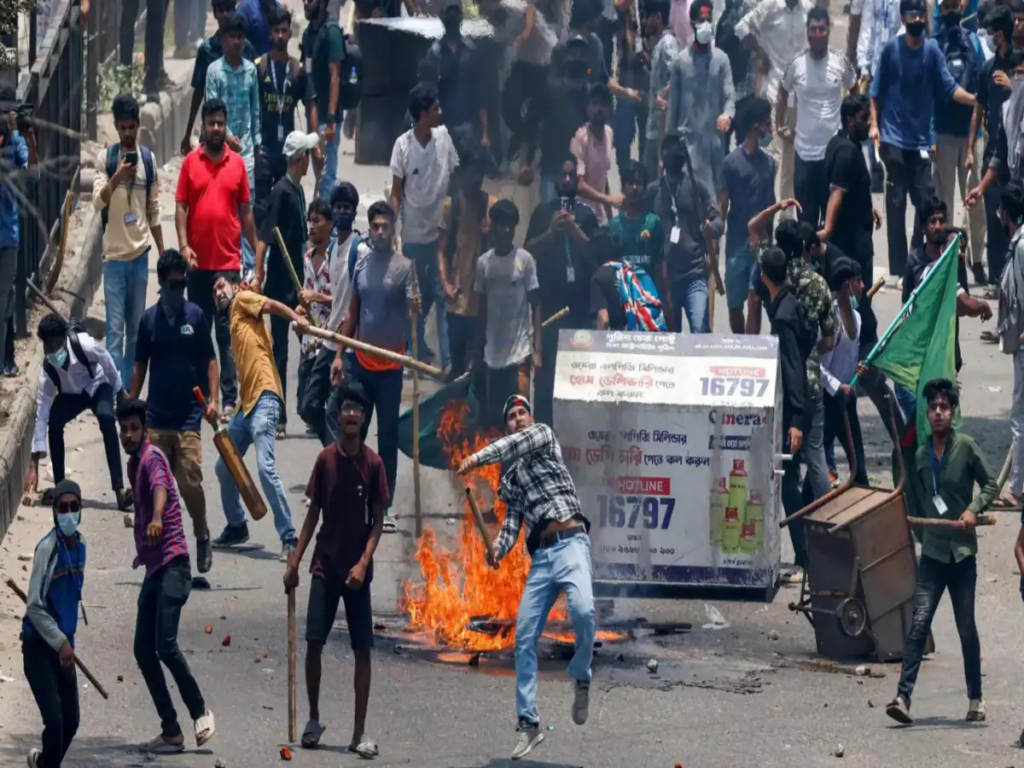
Unrest in Bangladesh has entered a volatile phase, marked by political killings, attacks on minorities, threats to journalists, and diplomatic tensions with India. What began with the killing of student leader Sharif Osman Hadi has now widened into a broader crisis touching governance, public safety, and regional relations.
The developments matter because they are no longer isolated incidents. They reveal a country struggling to contain violence while preparing for national elections, even as domestic instability begins to spill across borders.

Political Violence at the Core of the Crisis
The immediate trigger for the current unrest in Bangladesh was the killing of Sharif Osman Hadi, a prominent student leader and spokesperson for Inqilab Mancha. Hadi was shot on December 12 during an election-related event in Dhaka and later died while undergoing treatment in Singapore.
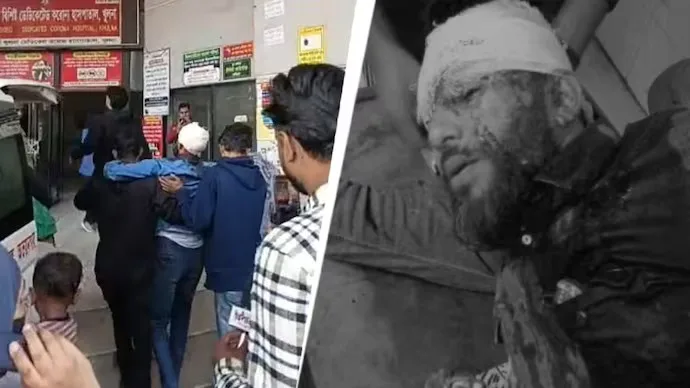
Days later, another student leader, Motaleb Sikder of the National Citizen Party, was shot in the head in Khulna. Though he survived, the attack deepened fears of targeted violence against youth leaders.
In response, security has been increased for at least 20 political leaders and media personnel, including editors of leading newspapers.
Journalists Under Threat
Unrest in Bangladesh has increasingly endangered the media. Offices of Daily Star and Prothom Alo were vandalised and torched during protests demanding justice for Osman Hadi.
Journalists have publicly stated that the situation has moved beyond press freedom to basic survival. Editors warned that the attacks appeared aimed at silencing voices rather than expressing dissent.
The assignment of armed protection to editors underscores how unsafe public discourse has become.
Minority Violence and International Alarm
The crisis widened further after the killing of Dipu Chandra Das, a Hindu man in Mymensingh, allegedly lynched by a mob. The incident drew condemnation from the United Nations, US lawmakers, and Indian political leaders.
The UN Secretary General expressed concern over the safety of minorities in Bangladesh, stressing that all citizens must feel protected regardless of identity.
US lawmakers described the killing as targeted violence amid instability, adding international scrutiny to Bangladesh’s internal challenges.
India–Bangladesh Diplomatic Strain
Unrest in Bangladesh has now affected bilateral relations with India. Bangladesh suspended visa services in New Delhi, Agartala, and Siliguri, citing unavoidable circumstances. Shortly after, Dhaka summoned an Indian envoy over the security of Bangladeshi missions.
India, for its part, had earlier summoned Bangladesh’s High Commissioner and lodged a protest over the deteriorating security situation.
The reciprocal diplomatic actions reflect how internal instability is beginning to strain regional engagement.

Protests Beyond Borders
The unrest has triggered reactions outside Bangladesh as well. Hindu organisations in Hyderabad held protests demanding protection for minorities in Bangladesh and urging the Indian government to intervene.
These demonstrations show how developments inside Bangladesh are resonating with diaspora and religious groups in India, adding another layer of political sensitivity.
Such cross-border mobilisation raises the stakes for both governments.
Arrests, Assurances, and Accountability Gaps
Bangladesh authorities have reported arrests linked to vandalism and arson attacks on media offices. Officials have said efforts are underway to apprehend the prime accused in Osman Hadi’s murder, with the case to be tried under the Speedy Trial Tribunal.
While these steps signal intent, public trust remains fragile. The speed and transparency of investigations will be critical in determining whether confidence can be restored.
So far, assurances have not stemmed the sense of insecurity.
Elections Amid Fear
Unrest in Bangladesh is unfolding against the backdrop of general elections scheduled for February 12. Chief Adviser Muhammad Yunus has reiterated that elections will proceed as planned and has communicated this to US officials.
However, former diplomats have warned that the situation is “delicate and dangerous,” stressing that minority protection and political stability are prerequisites for credible elections.
Conducting a free and fair election amid violence poses a severe governance challenge.
Students and Civilians Caught in the Middle
The instability has affected civilians beyond politics. Indian medical students have reportedly been stranded in Bangladesh amid the unrest, prompting appeals to the Indian government for intervention.
Fear, uncertainty, and disruption are becoming part of daily life, extending the impact of unrest beyond activists and institutions to ordinary people.
This broadening footprint signals systemic stress rather than episodic unrest.
Why This Moment Matters
Unrest in Bangladesh is no longer a domestic law-and-order issue. It intersects political legitimacy, minority rights, media freedom, and regional diplomacy.
The clustering of violence, diplomatic friction, and election timelines suggests a country at a critical juncture. How authorities respond now will shape not only immediate stability but long-term trust in institutions.
Silence or delay risks normalising fear.
What Comes Next
Authorities face parallel pressures. They must deliver justice in high-profile cases, protect minorities and journalists, and ensure election security.
Diplomatically, managing relations with India while stabilising internal conditions will test state capacity.
Whether unrest escalates or recedes will depend on accountability, not rhetoric.
Conclusion
Unrest in Bangladesh reflects a convergence of political violence, social fracture, and institutional strain. From student leaders to journalists and minorities, fear has become a shared experience.
The challenge before Bangladesh’s leadership is stark. Can it restore safety and confidence before elections, or will instability define the political transition?
The answer will resonate far beyond its borders.
Frequently Asked Questions
What triggered the unrest in Bangladesh?
The killing of student leader Sharif Osman Hadi and subsequent violence sparked widespread unrest.
Why has India been drawn into the situation?
Visa suspensions, security concerns, and minority violence have strained bilateral relations.
Are elections still scheduled?
Yes. Authorities say elections will take place on February 12.
Who is most affected by the unrest?
Student leaders, journalists, minorities, and civilians have all been impacted.
ALSO READ: Bangladesh Unrest Sharif Osman Hadi: Dangerous Slide Before Elections
ALSO READ: Motaleb Sikder Bangladesh Political Violence Raises Alarm After Osman Hadi

Pingback: Clear Guide: Kerala SIR 2026 Voter List Check in 5 Steps
Pingback: Bold Vision Tarique Rahman I Have a Plan Speech in 9 points
Pingback: Critical Unrest: Imran Khan Release Protests Pakistan 5 Signals
Pingback: Tarique Rahman Return Bangladesh 2026 Election