
Introduction
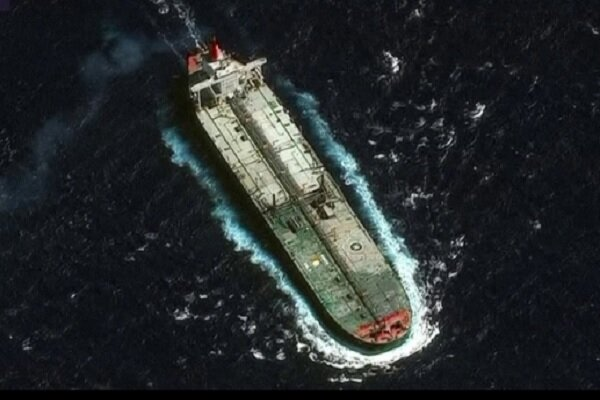
US blockade Venezuela oil moved from declaration to direct action this week as American forces interdicted and seized a vessel off the Venezuelan coast. The operation took place in international waters and followed President Donald Trump’s announcement of a “total and complete blockade” on sanctioned oil tankers entering or leaving Venezuela.
This moment matters because it marks a shift in how the United States applies pressure. Instead of relying only on financial restrictions, Washington is now physically enforcing compliance at sea. That escalation changes the risk calculations for shipping companies, oil buyers, and governments watching closely.

What Happened at Sea
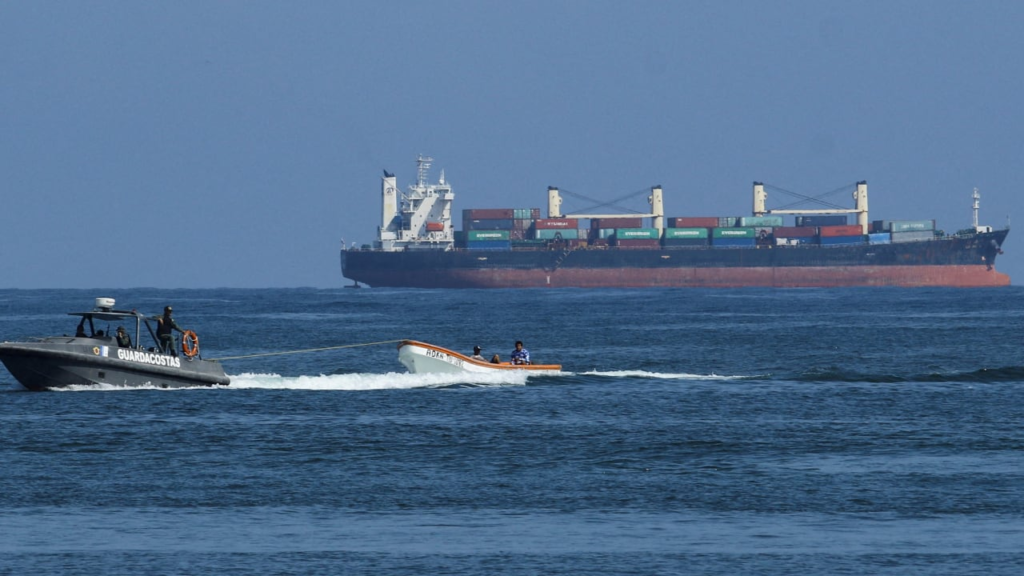
US officials confirmed that the Coast Guard led the operation to interdict and seize a vessel near Venezuela. While the exact location was not disclosed, officials stated the action occurred in international waters.
This was not an isolated incident. It marked the second tanker seizure near Venezuela in recent weeks. Since the first seizure, multiple oil tankers loaded with Venezuelan crude have reportedly remained in local waters rather than attempt to leave.
The lack of public comment from the White House and Venezuelan authorities suggests the sensitivity of the moment rather than uncertainty about the action.
Why the US Blockade Venezuela Oil Is Different This Time
Sanctions on Venezuelan energy exports are not new. What is new is the method of enforcement. The US blockade Venezuela oil strategy now includes direct interdiction, not just regulatory pressure.
By announcing a blockade and backing it with seizures, Washington has reduced ambiguity. Tanker operators no longer face abstract legal risk alone. They now face the tangible risk of losing vessels and cargo.
This clarity is strategic. It discourages non-compliance through certainty rather than negotiation.
The Role of the US Coast Guard
The Coast Guard’s lead role carries political meaning. Unlike a naval strike, interdiction by the Coast Guard allows the US to frame the operation as law enforcement rather than warfare.
However, this distinction does not reduce its impact. A seized vessel sends the same message regardless of which uniform is involved. The accompanying US military build-up in the region reinforces that enforcement rests on credible force.
This layered approach allows escalation without formal conflict declaration.
Immediate Impact on Venezuelan Oil Exports
Since the initial tanker seizure, Venezuelan crude exports have fallen sharply, according to officials. The reason is behavioral rather than technical.
Tankers already loaded with oil are choosing to stay in Venezuelan waters. The risk of seizure now outweighs the incentive to move cargo. This has created an effective embargo without formal paperwork.
Key Developments Referenced
| Aspect | Situation |
|---|---|
| Vessel seizures | Second seizure confirmed |
| Export movement | Loaded tankers staying in place |
| Enforcement method | Physical interdiction |
| Market condition | Oil market described as well supplied |
| Risk outlook | Prices may rise if blockade continues |
Why This Matters Now
US blockade Venezuela oil comes at a time when energy security remains politically sensitive. Even when supply appears adequate, uncertainty itself can shape market behavior.
The move also reflects a broader shift in US strategy. Sanctions alone depend on compliance. Enforcement removes choice. That difference matters for countries and companies operating near sanction boundaries.
For energy-importing countries, including India, such actions add another variable to supply risk assessments.
Sanctions, Shadow Shipping, and Enforcement
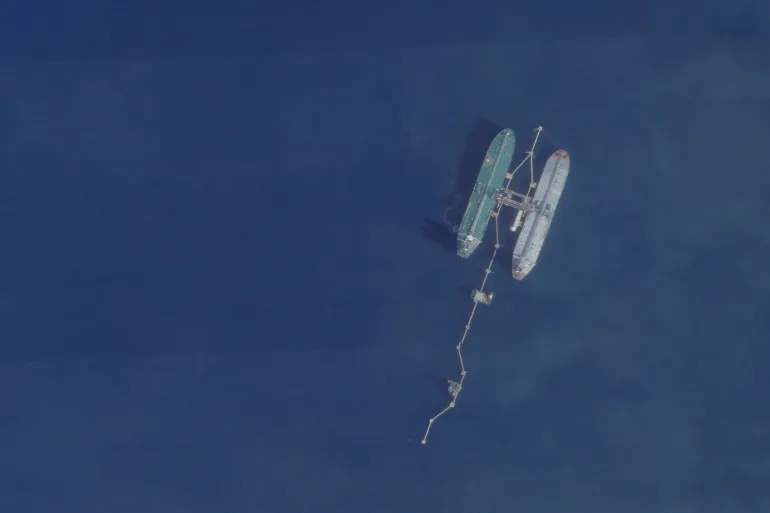
Since energy sanctions were imposed in 2019, traders moving Venezuelan oil have relied on vessels designed to obscure routes and ownership. These practices allowed oil to move despite restrictions.
The US blockade Venezuela oil strategy directly challenges this system. Seizures raise insurance costs, legal exposure, and operational risk for operators who previously viewed sanctions as manageable.
Physical enforcement changes the economics of evasion.
Risk of Escalation
Interdicting vessels in international waters carries inherent risk. Miscalculation or resistance could escalate a controlled operation into confrontation.
President Trump has already indicated that pressure on Venezuela will increase, including references to possible land-based military action. Venezuelan President Nicolas Maduro has described the US military build-up as an attempt to overthrow his government and seize oil resources.
These claims reflect political positioning, but they shape perceptions that can influence behavior.
What Comes Next
In the near term, shipping companies will wait and watch. If seizures continue, the informal embargo will solidify into a predictable enforcement regime.
The US may apply interdiction selectively to sustain pressure without overextension. Venezuela may seek alternative logistical or diplomatic options, though none are visible at this stage.
The absence of immediate retaliation suggests caution rather than acceptance.
Bigger Implications
US blockade Venezuela oil highlights a broader trend in global power politics. Economic measures are increasingly backed by physical enforcement.
This blurs lines between sanctions policy and security operations. It also reinforces the role of maritime power in shaping trade outcomes.
For the global system, the precedent matters as much as the immediate outcome.

Conclusion
The seizure of a vessel near Venezuela signals that US pressure has entered a more direct phase. By enforcing a blockade in practice, Washington has raised costs without formally escalating conflict.
Whether this approach produces compliance or confrontation remains uncertain. What is clear is that sanctions without enforcement are no longer the preferred tool.
How other energy-exporting states interpret this shift will shape future responses.
Frequently Asked Questions
What does US blockade Venezuela oil mean?
It refers to the US decision to physically interdict and seize sanctioned oil tankers linked to Venezuela.
Where did the seizure occur?
US officials said the vessel was seized in international waters off Venezuela’s coast.
Has this reduced Venezuelan oil exports?
Yes. Officials stated exports have fallen sharply as tankers avoid seizure risk.
Could this affect oil prices?
If the blockade continues and removes supply, prices could rise despite current market conditions.
ALSO READ: Why the Latest US ISIS Strikes in Syria Matter More Than They Appear
ALSO READ: Bangladesh Protests 2025: Unrest After Sharif Osman Hadi’s Death Explained
ALSO READ: US war with Venezuela – 7 Shocking Ways the US Is Already at War With Venezuela
Pingback: Zelensky US Russia Talks Signal 4 Diplomatic Tests
Pingback: Elon Musk Net Worth 700 Billion Breaks 5 Records
Pingback: Escalating Pressure: 3rd US Oil Tanker Seizure Venezuela