
US ISIS Strikes in Syria and the Return of Hard Deterrence
US ISIS strikes in Syria marked one of the most forceful American military actions in the country in recent years. On December 19, the US military launched large-scale air and rocket strikes across central Syria after an attack killed two US soldiers and a civilian interpreter days earlier.
The response matters because it shows how Washington now handles security threats in a post–civil war Syria. The scale of the strikes, the political language used, and Syria’s public support together reveal a shift in power dynamics that goes beyond immediate retaliation.
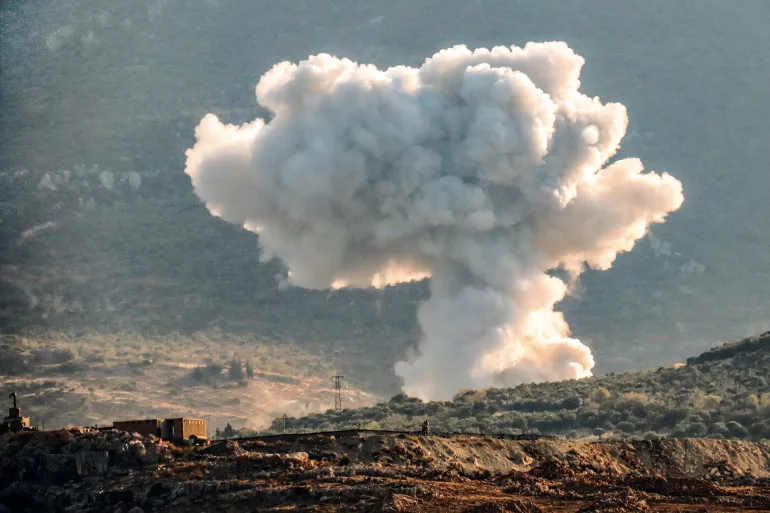
What Happened in Palmyra
The trigger for the US ISIS strikes in Syria was an attack on December 13 in the town of Palmyra. A convoy involving American and Syrian forces was targeted, resulting in multiple casualties. The attacker was shot dead during the incident.
Syrian authorities later described the attacker as a member of the country’s security forces suspected of sympathizing with Islamic State. This detail raised concerns about internal security and loyalty within Syrian institutions that are still rebuilding after years of conflict.
The deaths of US personnel turned a persistent threat into an urgent political and military issue for Washington.
Scale and Composition of the US Operation
US Central Command stated that the operation struck more than 70 ISIS targets across central Syria. Officials said the targets included fighters, weapons sites, and infrastructure.
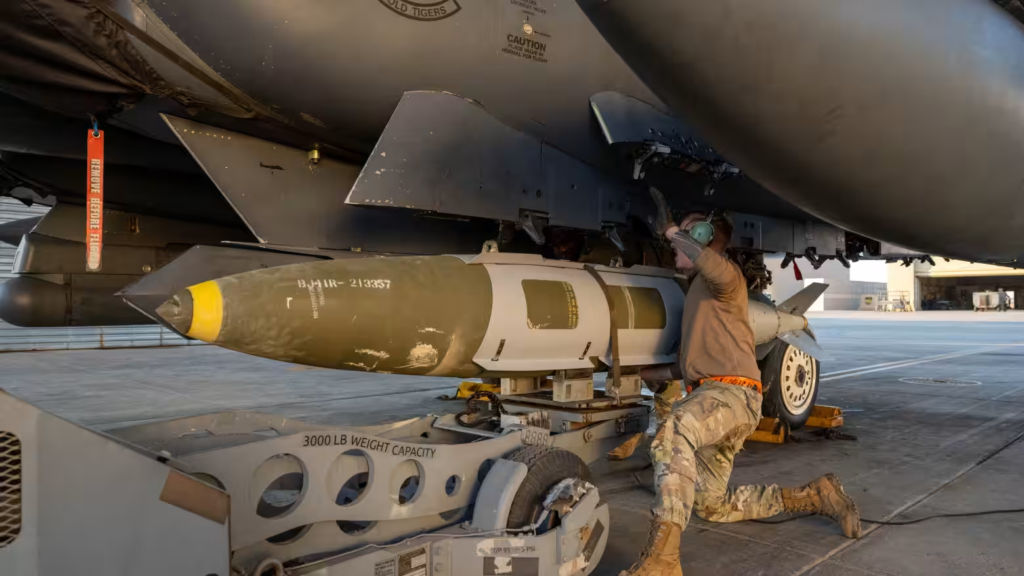
Key Details of the Operation
| Category | Information |
|---|---|
| Date of Strikes | December 19 |
| Operation Name | Operation Hawkeye Strike |
| Targets Hit | More than 70 |
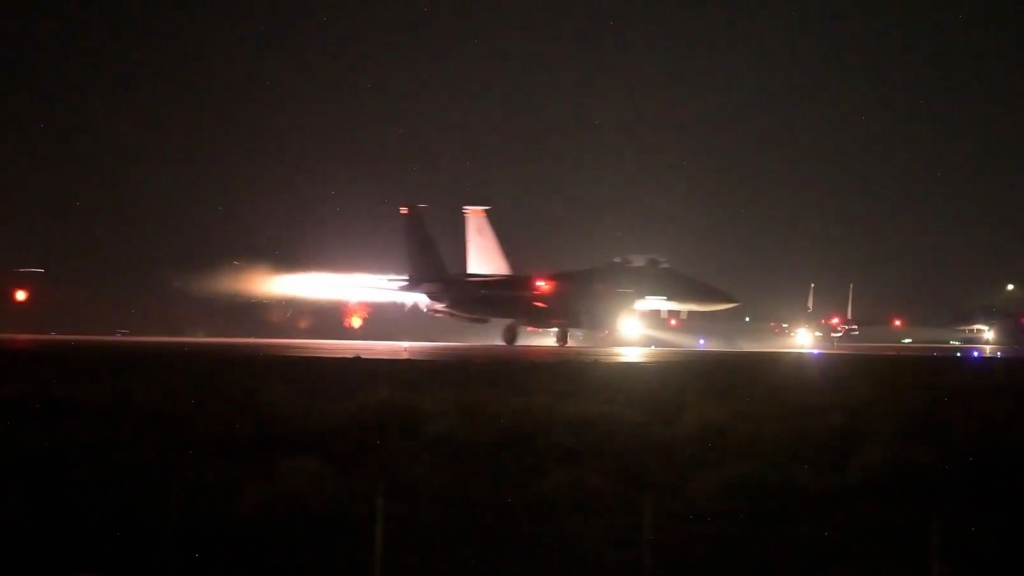
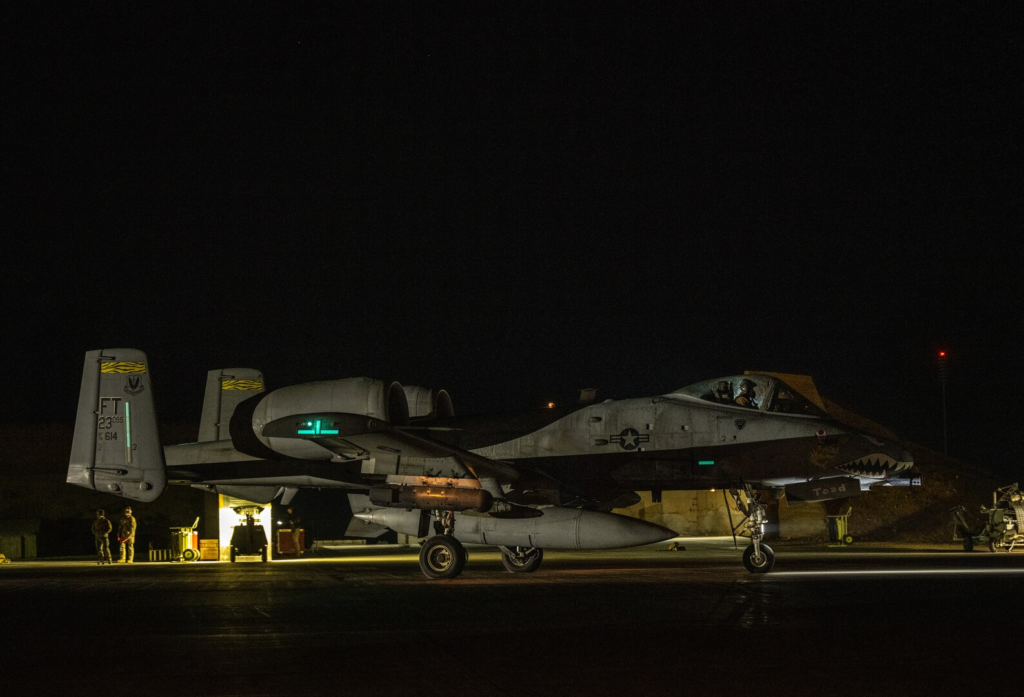
| US Military Assets | F-15 jets, A-10 jets, Apache helicopters, HIMARS |
| Coalition Support | Jordanian fighter jets |
The combination of aircraft and rocket systems indicates a coordinated operation aimed at degrading ISIS capabilities rather than delivering a limited warning strike.
Political Messaging from Washington
The US ISIS strikes in Syria were accompanied by unusually direct political language. Defense Secretary Pete Hegseth described the operation as a “declaration of vengeance,” while also stating it was not the beginning of a new war.
President Donald Trump publicly confirmed the strikes and emphasized their scale and success. He also stated that Syria’s government fully supported the operation.
This language signals intent. Washington wanted both domestic and regional audiences to see the response as decisive, controlled, and justified.
Syria’s Position and the New Political Reality
Syria’s public endorsement of the US strikes is significant. The country is now led by former rebels who removed Bashar al-Assad after a long civil war. The current leadership includes figures who previously broke with al Qaeda–linked groups and later clashed with ISIS.
Syrian officials reiterated their commitment to ensuring that ISIS has no safe havens on Syrian territory. This alignment with the US reflects shared interests rather than deep political trust.
At the same time, the Palmyra attack exposed internal weaknesses. The alleged background of the attacker suggests that cooperation does not eliminate the risk of insider threats.
Why This Matters
US ISIS strikes in Syria demonstrate how the United States now defines deterrence in unstable regions. Rather than expanding troop deployments, Washington relies on overwhelming but contained military responses when its personnel are attacked.
This approach aims to discourage future attacks without reopening a large-scale conflict. It also signals that Syria, despite political changes, remains an active counterterrorism theater for the US.
For regional actors, the message is clear. Attacks on US forces will bring swift and visible retaliation, even if the attacker operates within local security structures.
Risks Beneath the Show of Force
While the strikes may disrupt ISIS operations, they do not resolve deeper structural problems. Syria’s security institutions are still fragmented after years of war. Vetting and internal discipline remain uneven, as the Palmyra incident suggests.
The reliance on airpower also limits long-term influence. It can punish and degrade, but it cannot address ideological sympathy or local grievances that allow extremist networks to survive.
For the US, this means deterrence may reduce risk but cannot eliminate it.
What Comes Next
In the short term, ISIS activity in central Syria may decline as networks absorb losses. US forces are likely to maintain high alert levels and continue coordination with coalition partners.
Officials emphasized that the operation was limited in scope. There is no indication of a broader military expansion or change in deployment levels.
Future stability will depend on Syria’s ability to control its own forces and prevent similar insider attacks. That challenge remains unresolved.
Bigger Implications for US Strategy
The US ISIS strikes in Syria reflect a broader strategic pattern. Washington seeks to avoid long-term entanglements while maintaining the ability to strike decisively when attacked.
This balance allows the US to preserve credibility without committing to open-ended missions. However, repeated retaliatory cycles risk becoming a substitute for long-term solutions.
The operation reinforces deterrence but also highlights the limits of military power in politically fragile environments.
Conclusion
US ISIS strikes in Syria were a clear assertion of power and intent. They restored deterrence after a deadly attack and demonstrated continued US engagement in Syria’s security landscape.
Yet the strikes also revealed unresolved vulnerabilities, especially within partner forces and local governance structures. The core question remains open.
Can forceful deterrence sustain stability when political foundations remain fragile?
Frequently Asked Questions
What triggered the US ISIS strikes in Syria?
The strikes followed a December 13 attack in Palmyra that killed two US soldiers and a civilian interpreter.
How extensive were the US strikes?
US Central Command stated that more than 70 ISIS targets were hit across central Syria.
Did Syria support the US operation?
Yes. Syrian officials publicly stated that the government supported the strikes and reaffirmed its commitment to fighting ISIS.
Is the US expanding its military role in Syria?
US officials described the operation as retaliatory and limited, with no indication of broader escalation.
ALSO READ: New Epstein Photos Released: What 70 Images Reveal Now
ALSO READ: Bangladesh Protests 2025: Unrest After Sharif Osman Hadi’s Death Explained
Pingback: Strategic Escalation: US Blockade Venezuela Oil 5 Signals