
US Oil Tanker Seizure Venezuela and the Shift to Active Maritime Enforcement
Introduction
US oil tanker seizure Venezuela moved into a more assertive phase on December 21 as the US Coast Guard began pursuing a third oil tanker in international waters near Venezuela. If completed, this would mark the third seizure or interdiction attempt in less than two weeks.
The development matters because it confirms that Washington’s declared blockade is no longer rhetorical. It is now being enforced through persistent maritime action. Each pursuit raises the stakes for shipping companies, oil traders, and governments assessing the risks of operating near Venezuelan waters.
What the US Is Doing at Sea
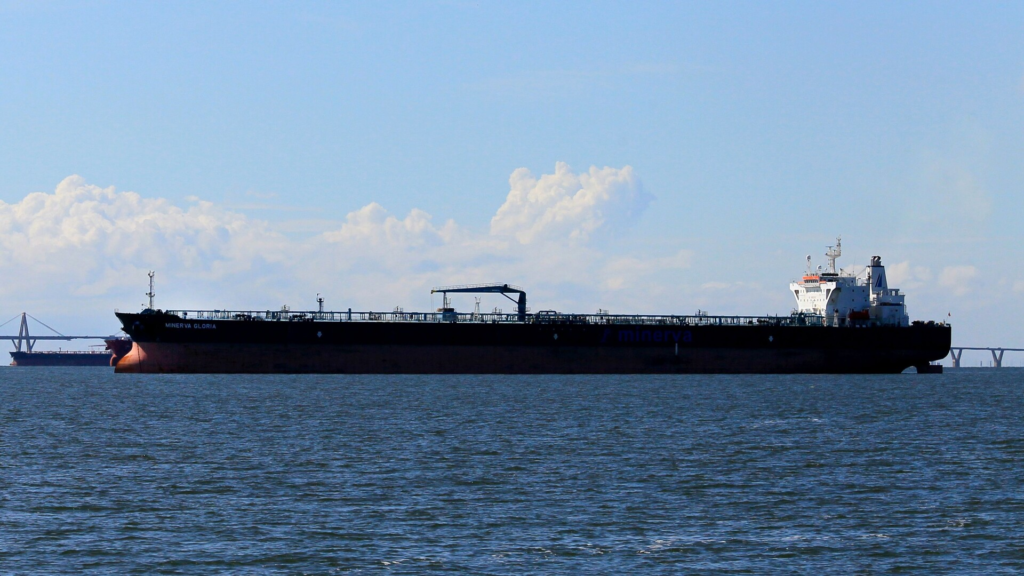
US officials said the Coast Guard is actively pursuing a sanctioned tanker described as part of Venezuela’s sanctions evasion network. According to officials, the vessel is operating under a false flag and is subject to a judicial seizure order.
The tanker has not yet been boarded. Officials noted that interdictions can take multiple forms, including close sailing or aerial monitoring. The lack of a disclosed location underscores the operational sensitivity of the pursuit.
This marks the second such action this weekend alone.
The Vessel Under Pursuit
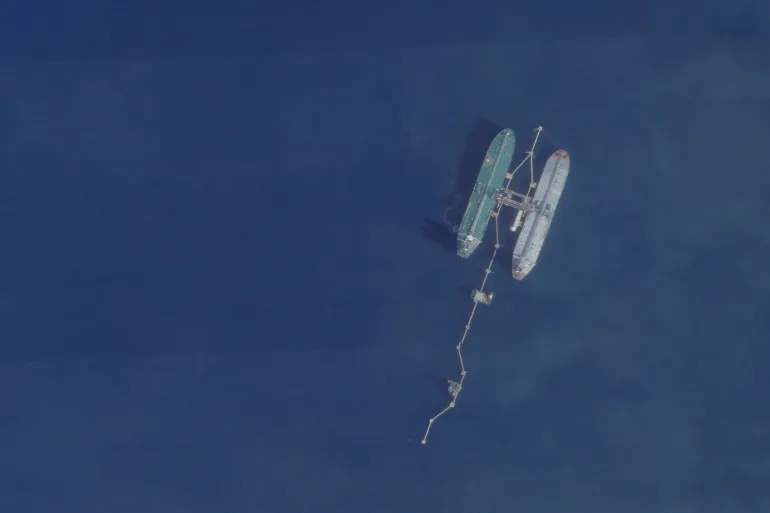
Maritime security sources identified the tanker as Bella 1, a very large crude carrier previously added to the US sanctions list. US authorities have linked the vessel to sanctions evasion activities.
According to vessel tracking data referenced by officials, Bella 1 was empty as it approached Venezuela. The tanker has previously transported Venezuelan oil to China and has also carried Iranian crude.
These links place the vessel squarely within Washington’s expanding enforcement focus.
Pattern of US Oil Tanker Seizure Venezuela Operations
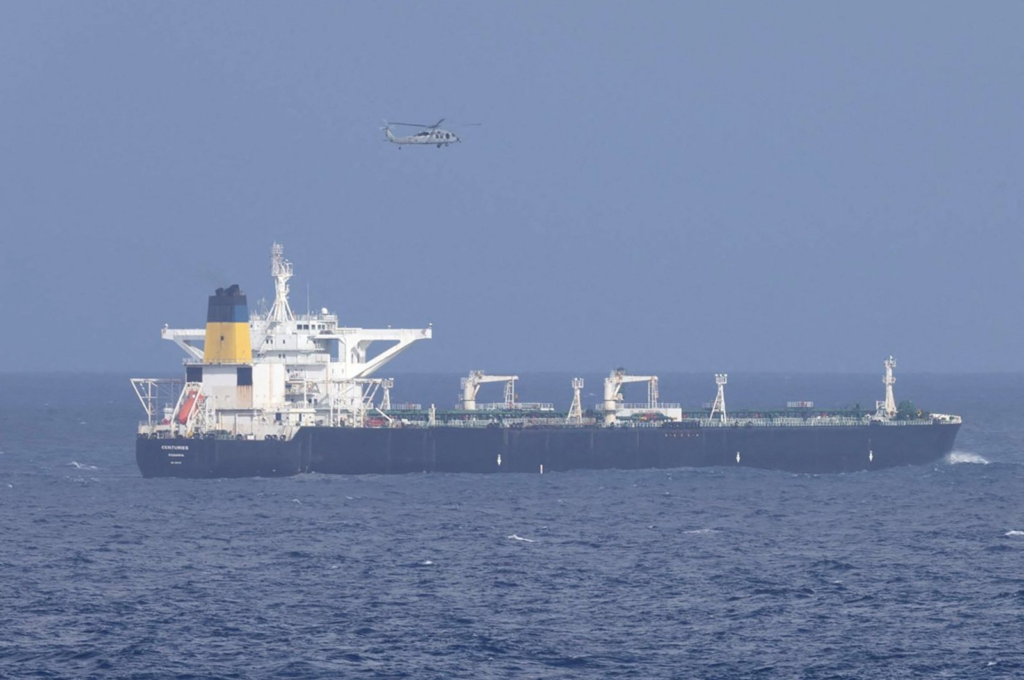
The current pursuit follows two earlier seizures. The first Venezuela-related vessel seized by the US on December 10, a very large crude carrier named The Skipper, reached the Galveston Offshore Lightering Area near Houston on Sunday.
Recent Enforcement Timeline
| Event | Detail |
|---|---|
| First seizure | December 10 |
| Second seizure | Earlier this weekend |
| Current action | Third pursuit in under two weeks |
| Lead agency | US Coast Guard |
| Location | International waters near Venezuela |
The speed and frequency of these actions indicate a sustained campaign rather than isolated enforcement.
Trump’s Blockade Strategy
The US oil tanker seizure Venezuela campaign is rooted in President Donald Trump’s announcement last week of a “total and complete blockade” of sanctioned oil tankers entering or leaving Venezuela.
This strategy represents a shift from financial sanctions toward physical enforcement. Trump’s broader pressure campaign has included a ramped-up military presence and multiple strikes on vessels near Venezuela.
According to officials, these actions have resulted in significant casualties, reinforcing how forceful the campaign has become.
How Markets Are Reacting
Oil markets are beginning to reflect the uncertainty created by maritime enforcement. Early Asian trading on Monday saw prices rise modestly.
Oil Price Movement
| Benchmark | Price | Change |
|---|---|---|
| Brent crude | $60.89 | +0.7% |
| WTI crude | $56.89 | +0.7% |
While US officials have sought to reassure domestic audiences that prices will not rise sharply, traders appear more cautious.
Diverging Views on Escalation Risk
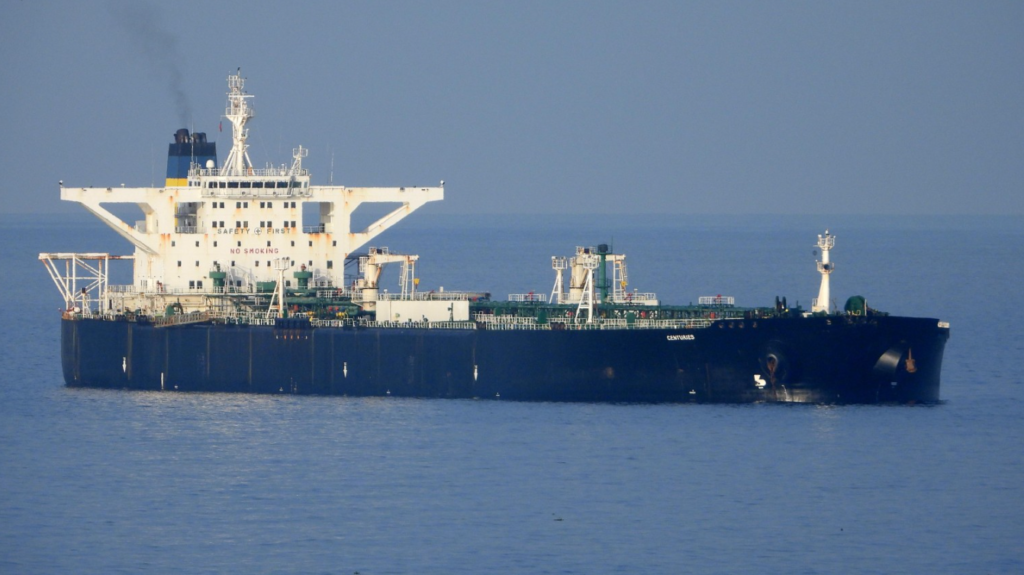
US officials have described the seized vessels as black market tankers supplying oil to sanctioned countries. According to this view, the limited number of vessels involved should not disrupt broader markets.
However, market analysts warn that the seizures could be seen as escalation. One concern is that even tankers not under sanctions could face greater scrutiny, increasing risk premiums across the sector.
This divergence highlights the uncertainty surrounding how far enforcement will extend.
Why This Matters Now
US oil tanker seizure Venezuela comes at a moment when enforcement credibility is under scrutiny globally. Sanctions regimes often depend on compliance. Physical interdiction removes ambiguity.
For Venezuela, the impact could be immediate. Officials and analysts have warned that continued seizures may cause export volumes to fall sharply. Storage constraints could force production cuts if oil cannot move.
For the US, the actions test how far maritime power can be used without triggering broader confrontation.
Venezuela’s Response
President Nicolas Maduro has stated that Venezuela’s oil trade will continue. This response signals defiance rather than accommodation.
At the same time, the operational reality at sea suggests growing constraints. As tankers hesitate or are intercepted, maintaining export flows becomes increasingly difficult.
The gap between political messaging and logistical reality is widening.
What Comes Next
The immediate question is whether the pursuit of Bella 1 will end in a boarding or seizure. Beyond that, shipping companies will reassess exposure to Venezuelan routes.
If the US continues to pursue vessels aggressively, the informal blockade will harden into a predictable enforcement regime. That could deter not just sanctioned tankers, but also operators wary of legal and operational risk.
The next phase will depend on consistency and scale.
Bigger Implications
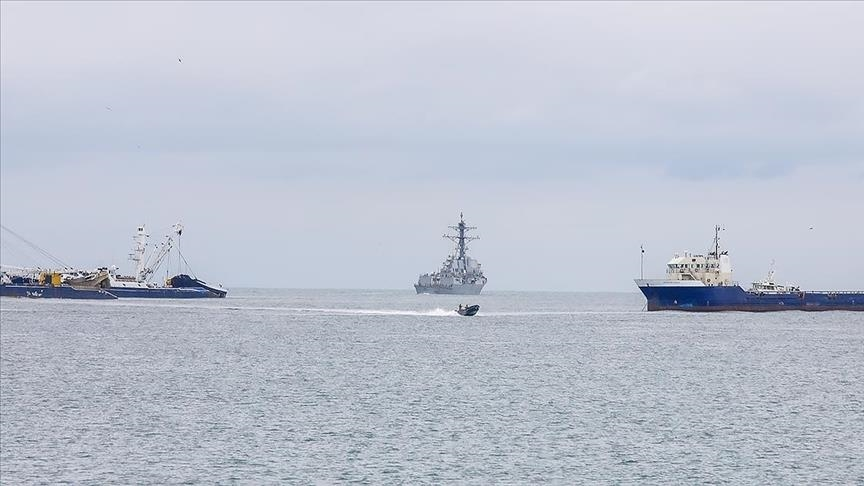
US oil tanker seizure Venezuela illustrates a broader trend in global geopolitics. Economic pressure is increasingly backed by physical enforcement.
This approach blurs the line between sanctions policy and maritime security operations. It also raises questions about precedent. Other energy-exporting nations may reassess how vulnerable shipping lanes are to enforcement actions.
For global trade, the message is clear. Sanctions now travel with ships.
Conclusion
The pursuit of a third tanker confirms that the US blockade is being enforced through sustained maritime action. Each interception reinforces Washington’s resolve, while also raising risks of escalation and market disruption.
Whether this strategy compels compliance or hardens resistance remains uncertain. What is clear is that sanctions enforcement has entered a more visible and consequential phase.
How long this balance can hold without wider fallout is the question now facing policymakers and markets alike.
Frequently Asked Questions
What is the US oil tanker seizure Venezuela policy?
It refers to US efforts to interdict and seize sanctioned oil tankers linked to Venezuela.
How many tankers has the US targeted recently?
This is the third tanker pursued or seized in less than two weeks.
Where is the current pursuit taking place?
US officials said it is occurring in international waters near Venezuela.
Has this affected oil prices?
Oil prices rose modestly amid concerns about escalation and supply risk.
ALSO READ: US Blockade Venezuela Oil and the Shift From Sanctions to Seizures
ALSO READ: Why the Latest US ISIS Strikes in Syria Matter More Than They Appear
Pingback: Impact Venezuela tanker seizures on oil prices - globalangle
Pingback: India New Zealand Free Trade Agreement Brings 100% zero Duty