
US Quarantine of Venezuelan Oil and a New Form of Economic Warfare
Introduction
US quarantine of Venezuelan oil has emerged as Washington’s primary pressure tactic against President Nicolás Maduro, marking a shift away from overt military confrontation toward economic coercion. According to U.S. officials, the White House has ordered the military to focus almost exclusively on enforcing restrictions on Venezuelan oil exports for at least the next two months.
The move matters because it blends military power with sanctions enforcement, blurring the line between economic pressure and the use of force. It also signals that the United States believes Venezuela’s economic vulnerability may achieve what years of diplomacy and sanctions have not.
What the White House Has Ordered
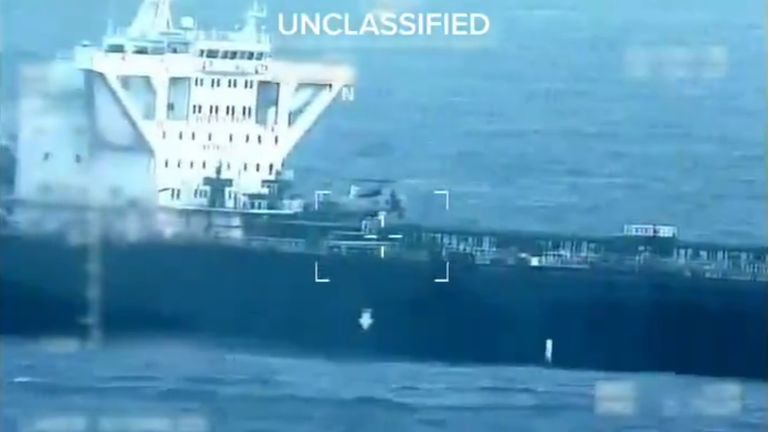
A U.S. official told Reuters that American military forces have been instructed to prioritise the interdiction of Venezuelan oil shipments.
While military options remain on the table, the official said the immediate focus is to apply economic pressure by enforcing sanctions more aggressively. The objective, according to the same source, is to push Caracas toward outcomes Washington seeks without triggering a full military conflict.
The term “quarantine” is notable and deliberate.
Why the Word ‘Quarantine’ Matters
The US quarantine of Venezuelan oil echoes language used during the 1962 Cuban missile crisis, when the Kennedy administration avoided the term “blockade” to prevent escalation.
At the time, U.S. officials argued that a blockade constituted an act of war. By choosing “quarantine,” the Trump administration appears to be signalling firmness while attempting to avoid legal and diplomatic consequences associated with open hostilities.
However, U.N. experts have already warned that such actions may still qualify as illegal armed aggression.
Pressure on Maduro to Step Aside
While President Donald Trump has been publicly ambiguous about his endgame in Venezuela, U.S. officials say he has privately pressured President Nicolás Maduro to leave the country.
Trump has openly stated that it would be “smart” for Maduro to exit power. According to the U.S. official, the administration believes that sustained enforcement of the oil quarantine could push Venezuela toward economic calamity by late January unless it agrees to make major concessions.
This strategy rests on the assumption that economic collapse will force political change.
Interdictions and Vessel Seizures
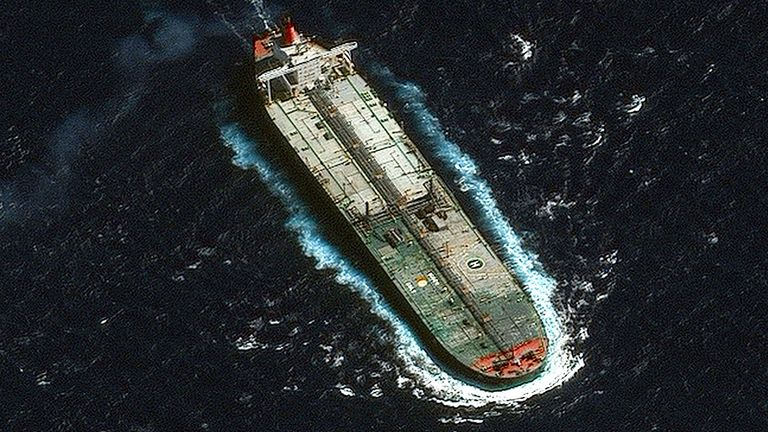
The US quarantine of Venezuelan oil is already being enforced at sea.
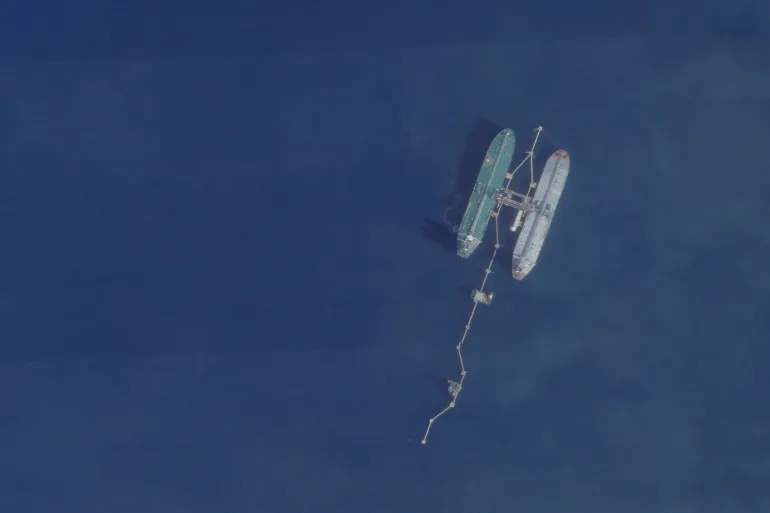
This month, the U.S. Coast Guard intercepted two oil tankers in the Caribbean that were fully loaded with Venezuelan crude. A third seizure attempt is pending, involving a sanctioned vessel known as Bella-1, which was reportedly empty at the time.
The Coast Guard is waiting for additional forces before proceeding, highlighting the operational complexity of sustained interdiction.
A Massive US Military Presence
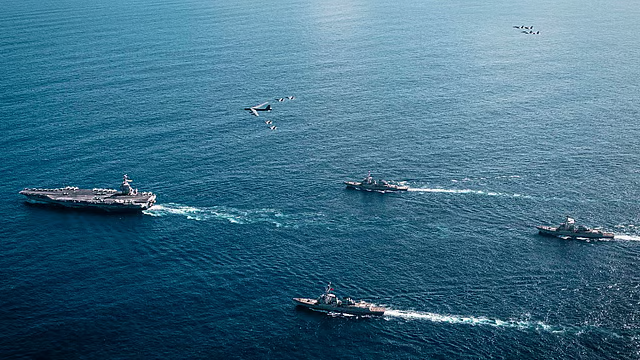
The enforcement effort is backed by a substantial American military deployment in the Caribbean.
According to the report, more than 15,000 U.S. troops are positioned in the region, supported by an aircraft carrier, 11 additional warships, and more than a dozen F-35 fighter jets.
While some of these assets can support sanctions enforcement, many are not suited for maritime interdiction. This raises questions about whether the deployment is meant as deterrence, preparation, or political signalling.
Contradictions in the Strategy
There is a clear tension within the US quarantine of Venezuelan oil strategy.
On one hand, Washington claims it prefers economic pressure over military action. On the other, it has authorised bombing of boats alleged to be carrying drugs and has not ruled out land strikes on drug infrastructure.
Many countries have condemned these maritime attacks as extrajudicial killings, further complicating the legal and moral standing of U.S. actions in the region.
Venezuela’s Response
Venezuela has rejected the U.S. framing entirely.
Its U.N. Ambassador, Samuel Moncada, stated that Venezuela is not the threat. According to him, the threat is the U.S. government itself.
From Caracas’ perspective, the oil quarantine is not law enforcement but economic warfare designed to destabilise the country and remove its leadership.
International Law and the United Nations
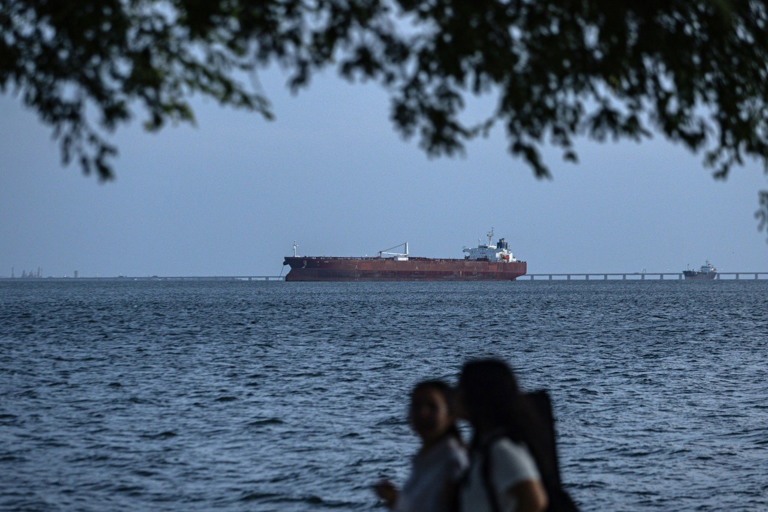
At the United Nations, the United States has stated it will enforce sanctions “to the maximum extent” to deprive Maduro of resources.
However, U.N. experts have condemned the blockade-style enforcement, warning that such measures constitute illegal armed aggression under international law.
This legal dispute highlights the broader challenge facing the global system: sanctions enforcement backed by military force sits in a grey zone between diplomacy and war.
Why This Matters Now
The US quarantine of Venezuelan oil represents a critical escalation at a time of global economic fragility.
Oil markets, regional stability, and international legal norms are all affected when a major power uses its military to enforce economic isolation. For countries in the Global South, the precedent is especially troubling.
The strategy also reflects a broader trend where economic tools are increasingly weaponised through military means.
What Comes Next
The White House believes the pressure will intensify by late January. If Venezuela does not concede, the administration may face a choice between escalation or recalibration.
Whether the quarantine remains limited to oil interdiction or expands into broader military action will define the next phase of U.S.–Venezuela relations.
The risks of miscalculation remain high.
Conclusion
US quarantine of Venezuelan oil is not simply a sanctions policy. It is a strategic experiment in coercion without formal war.
By blending military force with economic isolation, Washington is testing how far it can go without triggering global backlash or legal consequences. The outcome will not only shape Venezuela’s future, but also redefine how power is exercised in an increasingly fragmented world.
The question is whether economic pressure enforced by warships can truly substitute for diplomacy.
Frequently Asked Questions
What is meant by the US quarantine of Venezuelan oil?
It refers to U.S. military-backed enforcement of sanctions by interdicting Venezuelan oil shipments.
Is this the same as a blockade?
The U.S. avoids the term blockade, but critics argue the effect is similar.
How many tankers have been intercepted so far?
Two have been intercepted this month, with a third seizure attempt pending.
What does Venezuela say about the move?
Venezuela says the U.S., not Venezuela, is the real threat.
ALSO READ: Impact Venezuela Tanker Seizures on Oil Prices Shows Market Sensitivity
ALSO READ: US Oil Tanker Seizure Venezuela Enters New Phase With Third Pursuit
Pingback: Critical Alert: Southern California Flash Flooding 7 Chaos
Pingback: Strategic Shift: Why Trump Wants Greenland 5 Security Reason
Pingback: Venezuelan Oil to India: Reliance Industries in Talks with U.S. Treasury
Pingback: China Sanctions US Defence Firms Over Taiwan Arms Sales