Key Takeaways
- Recent Incident: A coordinated attack by motorbike-riding assailants in Nigeria’s Niger State (Borgu LGA) has resulted in dozens of casualties, highlighting a shift in tactical insecurity.
- The Pattern: These “banditry” attacks are becoming a regional crisis, affecting trade, agriculture, and community safety across the Sahel.
- The Solution: Experts suggest a hybrid approach combining high-tech surveillance (drones) with grassroots community policing and economic development.
In mid-February 2026, the fragility of peace in parts of West Africa was brought into sharp focus once again. A series of coordinated raids on villages in Niger State, Nigeria, left over 30 people dead and communities shattered.
While headlines often focus on the violence, it is crucial to understand the mechanics of this instability to find lasting solutions. This blog moves beyond the sensationalism to analyze what is happening, why it matters to the global community, and how West Africa can stabilize its future.
The Borgu Incident: A Case Study in Modern Insecurity
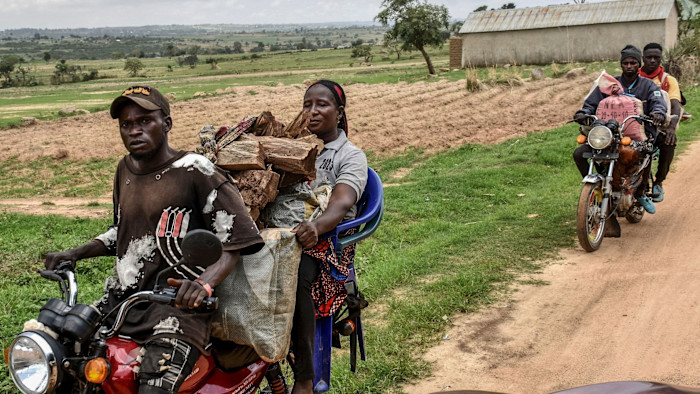
On the weekend of February 14-15, 2026, armed men riding in convoys of motorcycles descended upon the villages of Tunga-Makeri, Paso, and Konkoso in Niger State, near the border with the Benin Republic.
According to local reports and humanitarian sources, the attackers—often referred to locally as “bandits”—were not driven by a clear political ideology but by criminal intent (looting and control).
- Tactics: The use of motorbikes allows these groups to navigate rough terrain where military vehicles struggle, striking remote villages quickly and retreating into forests.
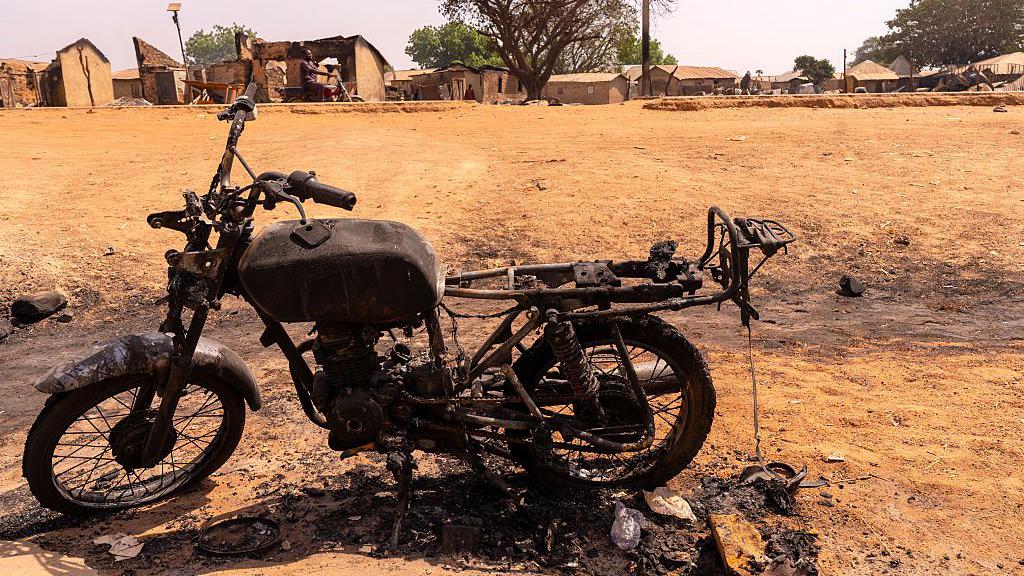
- Casualties: Initial reports confirm at least 30 to 46 fatalities, with property destroyed and an unconfirmed number of residents abducted.
This incident is not isolated; it is symptomatic of a “security vacuum” in remote border areas across West Africa, where state presence is often thin.
The Regional Statistics: A Growing Concern
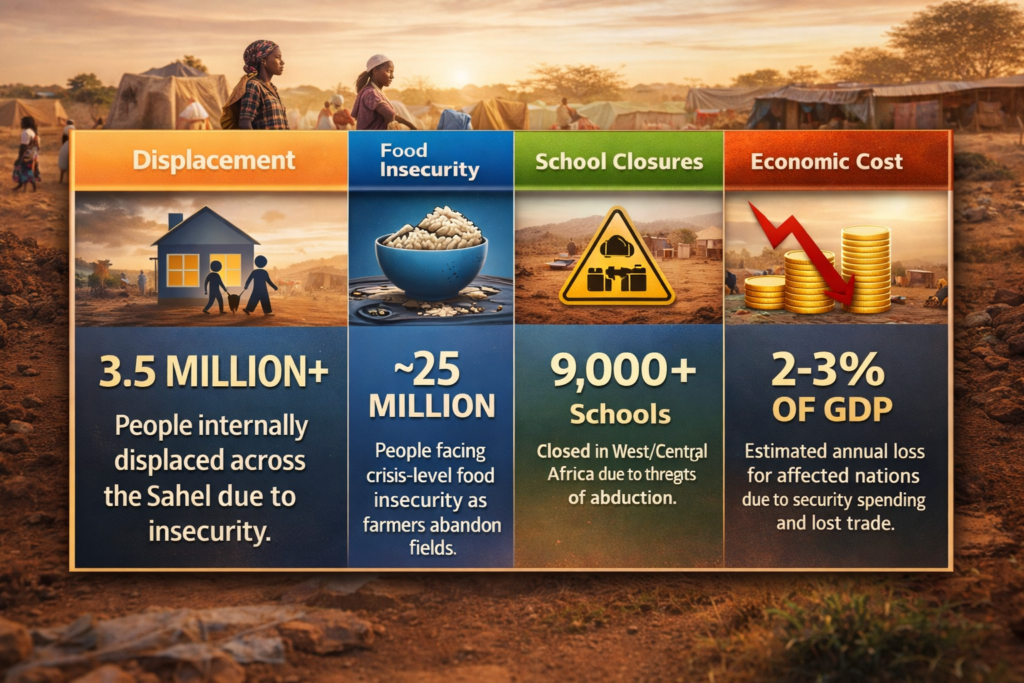
To understand the gravity of the situation, we must look at the data. The instability is not just a Nigerian issue; it is a trans-Sahelian one involving Mali, Burkina Faso, and Niger.
Security Impact Data (2025-2026 Estimates)
Why Is This Happening? (Root Causes)
Avoiding political finger-pointing, we can identify structural causes that allow these groups to thrive:
- Economic Desperation: High youth unemployment creates a recruitment pool for criminal gangs who offer quick money.
- Climate Stress: Desertification in the Sahel pushes herders and farmers into conflict over shrinking land, which criminal groups exploit to fuel violence.
- The “Ungoverned Space”: Vast, forested border regions (like the Kainji National Park area) provide safe havens where law enforcement cannot easily patrol.
The Path Forward: How Do We Overcome It?
The narrative of West Africa does not have to be one of perpetual crisis. Security experts and policymakers are coalescing around a “Holistic Framework” for peace.
1. Technological Integration (The “Smart” Border)
Military force alone has proven insufficient against mobile bandits. The future lies in ISR (Intelligence, Surveillance, and Reconnaissance).
- Drone Deployment: Using long-range surveillance drones to track motorbike convoys before they reach villages.
- Digital Reporting: establishing SMS-based early warning systems where villagers can anonymously report suspicious movements to central commands.
2. The “Non-Kinetic” Approach
You cannot shoot your way out of poverty.
- Agricultural Reforms: Modernizing ranching and farming to reduce resource conflicts between communities.
- Infrastructure: Building roads into remote areas not only helps trade but allows security forces to respond faster.
3. Community Policing & Regional Cooperation
Trust between locals and the military is often fractured.
- Civilian Joint Task Forces (CJTF): Empowering vetted local vigilantes who know the terrain to work with the military, not independently.
- Cross-Border Intel: Since these attackers move between Nigeria, Benin, and Niger, these nations must share real-time intelligence without bureaucratic delays.
Conclusion
The tragedy in Niger State is a somber reminder that security is the bedrock of development. Without safety, there is no trade, no education, and no growth. However, the resilience of West African communities is undeniable. By shifting from a purely reactionary military strategy to one that encompasses technology, economic inclusion, and cross-border unity, the region can reclaim its hinterlands from the grip of lawlessness.z*
Frequently Asked Questions
Who are the “bandits” in Nigeria?
The term “bandits” in Nigeria typically refers to armed criminal gangs involved in cattle rustling, kidnapping for ransom, and village raids. Unlike groups like Boko Haram, they are largely motivated by financial gain rather than religious ideology, though the lines can sometimes blur.
Is it safe to travel to West Africa?
West Africa is a massive region. While specific border areas and the Sahelian belt face security challenges, major economic hubs like Lagos, Accra, and Dakar remain vibrant and open for business. Always check your local foreign office’s travel advice.
How does insecurity affect the economy?
Insecurity drives up food prices (food inflation) because farmers cannot access their fields. It also discourages foreign investment and diverts national budgets from education/health toward defense spending.
Also Read – https://theglobalangle.com/us-trade-2026-economic-report/