Zelensky US Russia Talks and the Limits of Conditional Diplomacy
Introduction
Zelensky US Russia talks entered a new diplomatic phase this week as Ukrainian President Volodymyr Zelenskiy said Kyiv would support a US proposal for three-way discussions with Washington and Moscow, provided they deliver concrete results. The proposed format would involve national security advisers and focus on practical outcomes rather than symbolic engagement.
This matters because it marks Ukraine’s most explicit openness in months to a structured trilateral framework. At the same time, Zelenskiy placed firm conditions on what Ukraine would accept, signalling that flexibility on process does not mean compromise on sovereignty or territory.
What the US Proposal Involves
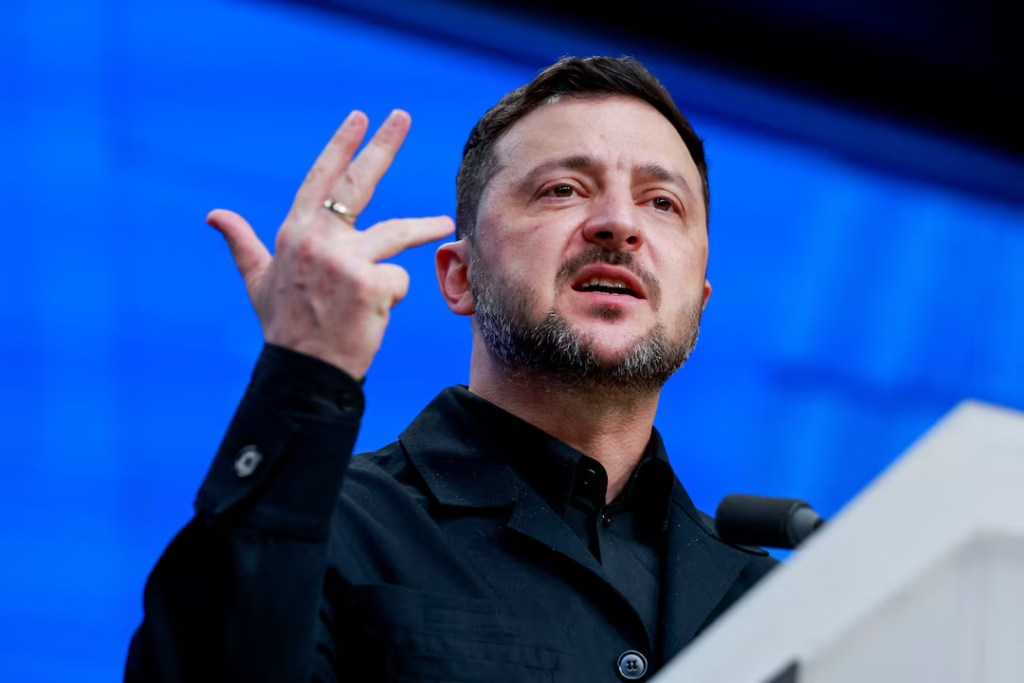
The United States has proposed three-sided talks involving the US, Ukraine, and Russia at the level of national security advisers. According to Zelenskiy, the immediate purpose would be to facilitate prisoner exchanges and possibly pave the way for a future meeting between national leaders.
Zelenskiy made clear that Ukraine’s support depends on outcomes. If such talks enable prisoner swaps or advance preparations for a leaders’ meeting, Kyiv would back the initiative. If not, Ukraine would reassess its options.
This conditional framing reflects deep caution shaped by earlier stalled negotiations.
Ukraine’s Core Position on Territory
Zelensky US Russia talks are constrained by one immovable principle. Zelenskiy stated that Ukraine would accept proposals that freeze the contact line at its current position only if Kyiv retains control over the territory it currently holds in eastern Ukraine.
He emphasized that Ukraine would not agree to surrender areas under its control in the Donbas region. For Kyiv, this is not a tactical issue but a matter of principle tied directly to sovereignty and political legitimacy.
Any diplomatic format that undermines this position would be unacceptable, regardless of external pressure.
Why Prisoner Exchanges Matter Politically
Zelenskiy repeatedly linked the value of talks to the possibility of prisoner swaps. This is not incidental. Prisoner exchanges deliver tangible humanitarian outcomes without requiring immediate concessions on territory or security.
They also serve a domestic political function. Successful swaps demonstrate diplomatic effectiveness to the Ukrainian public while avoiding accusations of appeasement.
By prioritizing this issue, Kyiv signals that diplomacy must produce visible benefits, not abstract assurances.
The Role of the United States
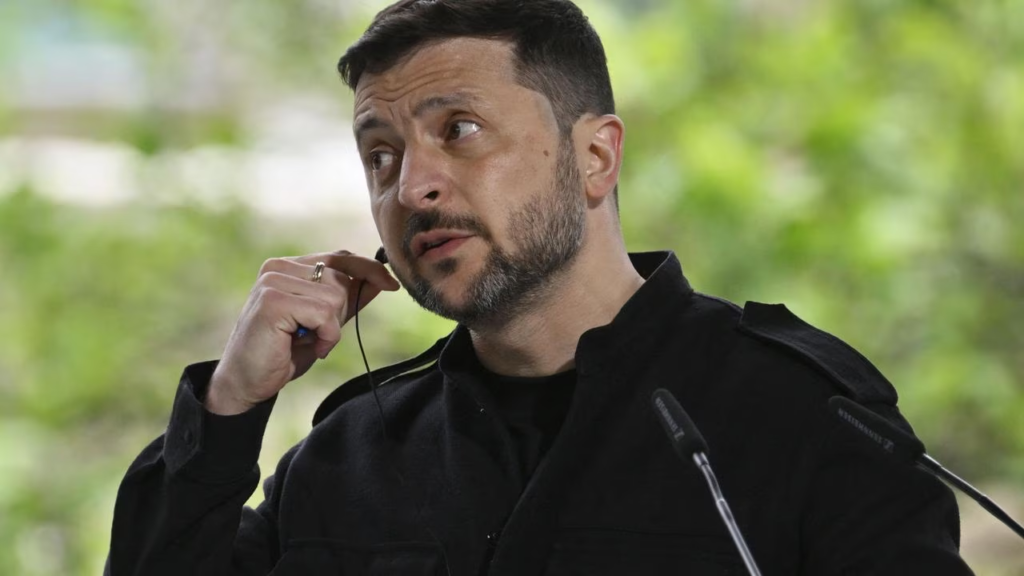
The US remains the central intermediary in this process. Zelenskiy described ongoing discussions between Ukrainian negotiators and US officials, including talks focused on post-war recovery.
Washington’s proposal for three-way talks positions the US as both mediator and stakeholder. This dual role gives it leverage but also responsibility for managing expectations on all sides.
For Ukraine, continued US involvement is preferable to alternative formats that might dilute Kyiv’s influence.
European Concerns and Alternative Paths
Zelensky US Russia talks also intersect with European anxieties. Zelenskiy responded to comments suggesting Europe might need to engage directly with Russia if US-led efforts fail.
He argued that the current US-led format remains worth supporting and defending. At the same time, he acknowledged that alternatives would be considered if the process does not deliver results.
This reflects a broader concern in Kyiv that fragmented diplomacy could weaken Ukraine’s negotiating position.
Why This Matters Now
The timing of Zelensky US Russia talks is significant. Diplomatic activity has intensified after months of limited direct engagement. While Ukraine and Russia have not negotiated face to face since July, indirect contacts have increased.
Zelenskiy’s remarks suggest an effort to shape the terms of engagement early. By stating conditions publicly, Kyiv seeks to prevent external actors from redefining the agenda without Ukrainian consent.
This is diplomacy framed as risk management rather than optimism.
Free Economic Zone Proposal and Domestic Sensitivities
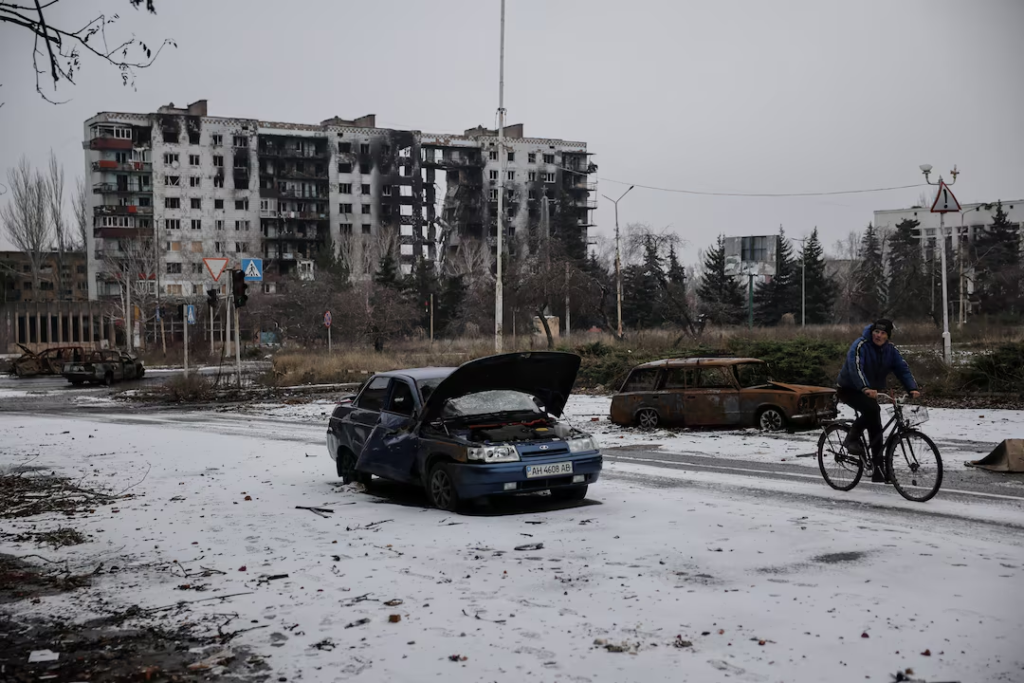
Zelenskiy also addressed a US proposal to create a free economic zone in eastern Ukraine. He described the idea as a decision for the Ukrainian people rather than negotiators alone.
This response reflects sensitivity around post-war reconstruction and resource control. Economic arrangements tied to contested regions carry political risks, especially if perceived as trading sovereignty for investment.
By deferring the decision to public debate, Zelenskiy reinforces democratic legitimacy while keeping negotiations flexible.
What Comes Next
The immediate next step is further discussions among negotiators, including meetings focused on recovery and security arrangements. Whether three-way talks materialize will depend on Russia’s willingness to engage and the US ability to align expectations.
If tangible progress emerges, Ukraine is likely to remain engaged. If talks stall or shift toward territorial compromise, Kyiv has signaled it will reconsider.
This conditional approach leaves room for diplomacy without surrendering leverage.
Bigger Implications for the War’s Trajectory
Zelensky US Russia talks illustrate a broader reality. The conflict has entered a phase where diplomacy is unavoidable but deeply constrained.
Ukraine seeks peace without precedent-setting concessions. Russia seeks leverage without appearing isolated. The US seeks de-escalation without undermining its credibility.
These competing objectives mean any talks will be fragile, incremental, and easily reversible.
Conclusion
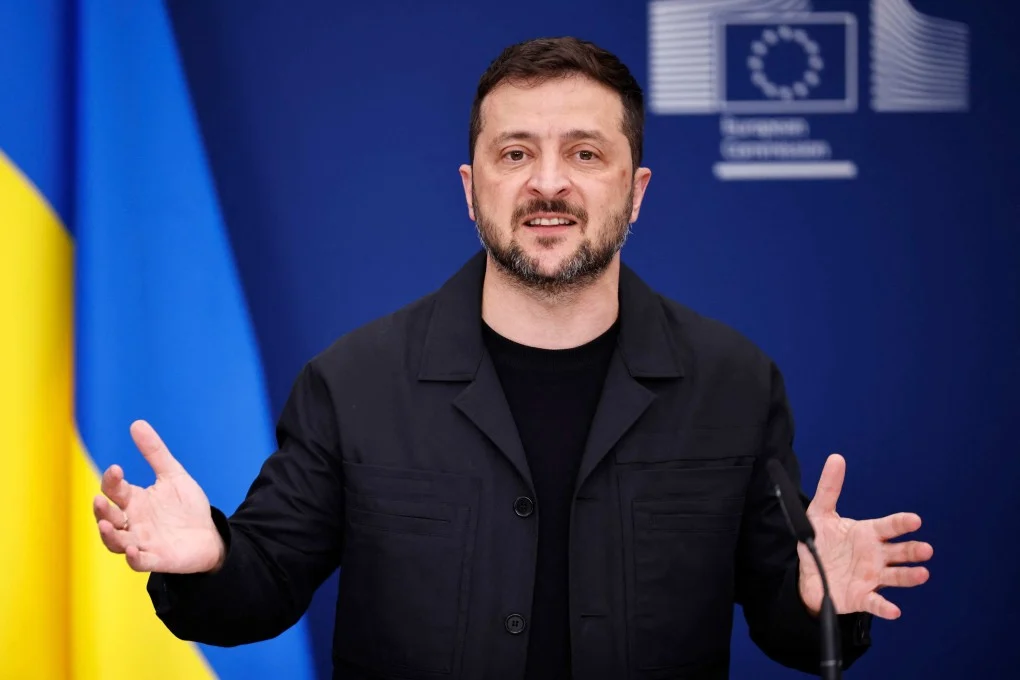
Zelenskiy’s openness to US-led three-way talks reflects pragmatism, not softness. Ukraine is willing to explore diplomacy, but only within clearly defined limits.
The real test will not be whether talks occur, but whether they deliver results without eroding Ukraine’s core principles. In this phase of the war, process matters less than outcomes.
Can conditional diplomacy hold when pressure mounts from all sides?
Frequently Asked Questions
What are Zelensky US Russia talks?
They refer to a US proposal for three-way discussions involving Ukraine, Russia, and the United States.
Does Ukraine support the proposal?
Yes, but only if the talks lead to concrete outcomes such as prisoner exchanges or progress toward leaders’ meetings.
Will Ukraine give up territory under this plan?
No. Zelenskiy stated Ukraine will not surrender territory it currently controls.
What happens if the talks fail?
Zelenskiy said Ukraine and its allies would consider other diplomatic options.
ALSO READ: US Blockade Venezuela Oil and the Shift From Sanctions to Seizures
ALSO READ: Why the Latest US ISIS Strikes in Syria Matter More Than They Appear