Executive Briefing (Update: Late March 2026)
- The New Axis: Iran is not fighting the United States and Israel alone. It is backed by a deeply integrated strategic triangle with Beijing and Moscow, designed specifically to counter Western sanctions and military pressure.
- The Division of Labor: China is functioning as Iran’s infinite bank account, secretly buying millions of barrels of sanctioned oil. Russia is functioning as Iran’s armory, supplying advanced cyber capabilities, satellite intelligence, and air-defense technology.
- The Global Impact: This alliance proves that Western financial sanctions (like being cut off from SWIFT or the U.S. dollar) are no longer a death sentence for a nation’s economy if it has the backing of the BRICS superpower bloc.
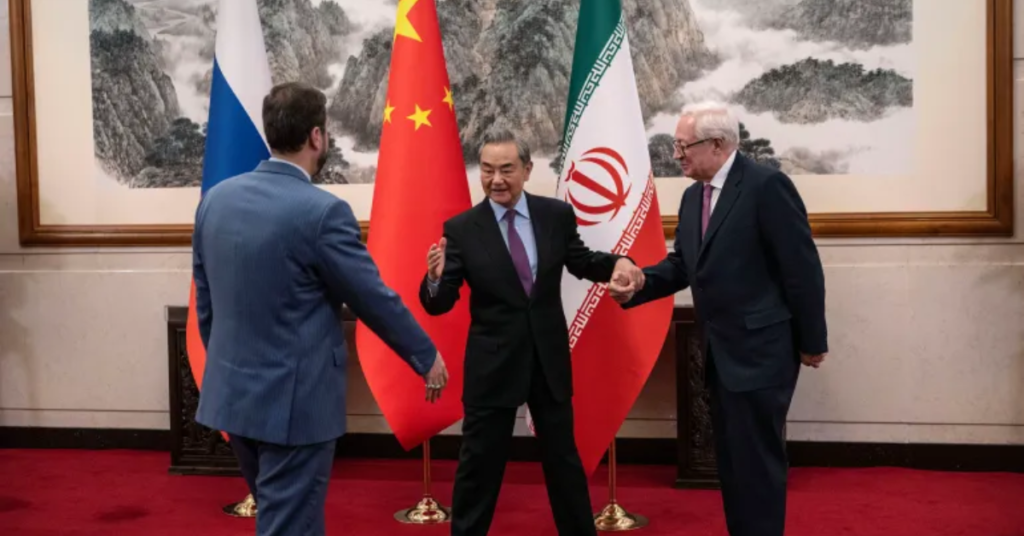
To understand how Iran is sustaining a high-intensity conflict against the combined technological might of the United States and Israel in 2026, you have to look east.
Washington’s strategy of “maximum pressure” was designed to bankrupt Tehran and force a rapid surrender. But that strategy has hit a massive geopolitical wall: China and Russia.
For The Global Angle, we have broken down exactly how this trilateral alliance operates. Here is the complete analysis of the economic, military, and diplomatic lifelines keeping the Iranian state functioning.
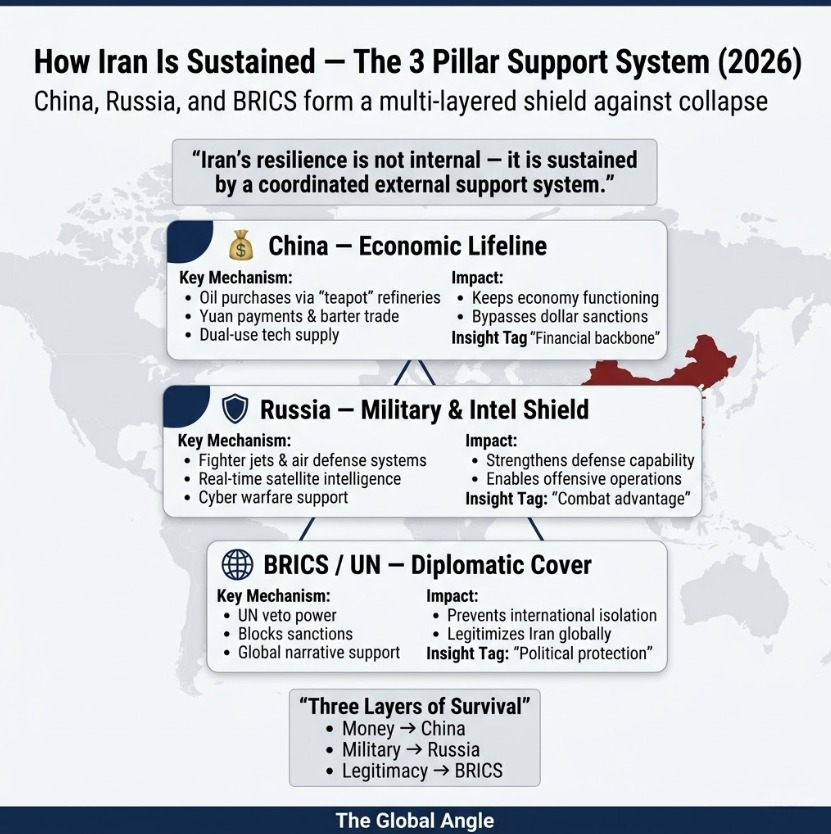
1. China: The Economic Lifeline
War requires immense amounts of cash. With its official overseas assets frozen and Kharg Island under constant threat, Iran’s economy should have collapsed weeks ago. However, Beijing has stepped in as the ultimate financial safety net.
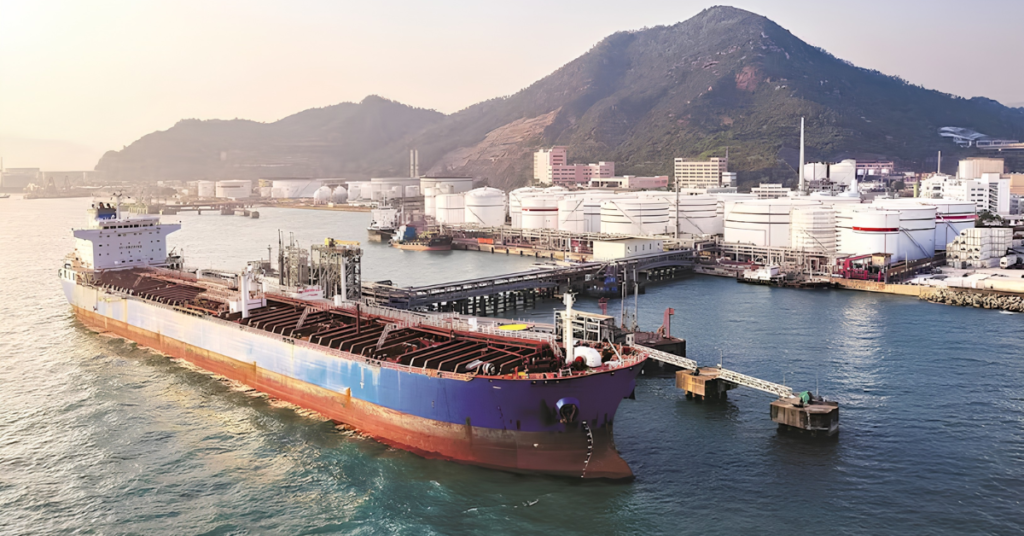
- The “Teapot” Refineries: China is quietly purchasing over 1.5 million barrels of Iranian crude oil every single day. Instead of using massive state-owned energy corporations (which fear U.S. secondary sanctions), China routes this oil to independent, privately-owned “teapot” refineries.
- The Petroyuan & Barter System: These transactions do not use the U.S. dollar. China pays Iran in Chinese Yuan (RMB) using alternative digital payment bridges, or they use a direct barter system—trading Iranian oil for critical Chinese electronics, drone components, and industrial machinery.
- Tech Transfers: While avoiding direct arms sales, Chinese firms supply the dual-use technology (like microchips, navigation sensors, and surveillance gear) that Iran uses to manufacture its formidable drone swarms and ballistic missiles.
2. Russia: The Military & Intelligence Shield
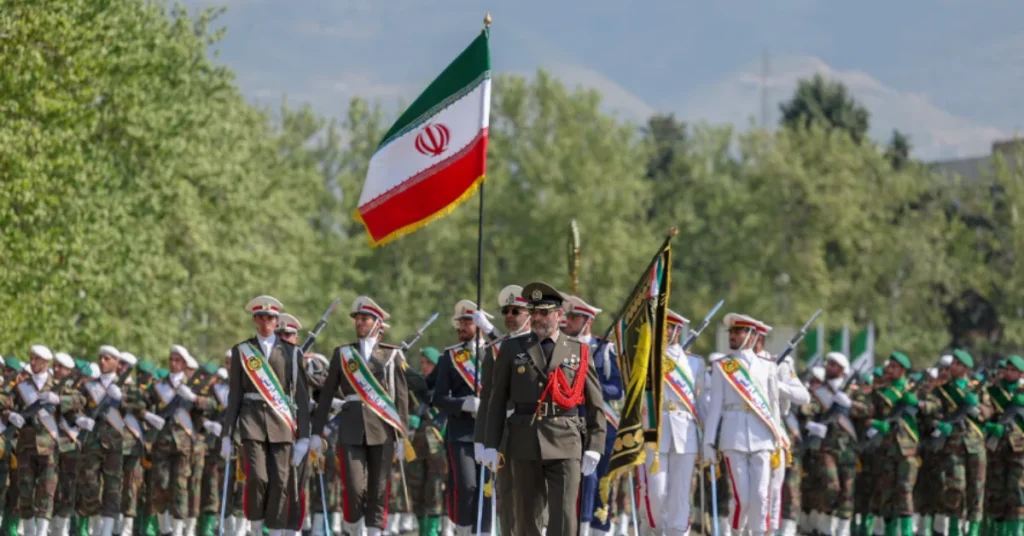
If China is the bank, Russia is the armory. Since Iran began supplying Moscow with Shahed drones for the Ukraine war in 2022, the two nations have formed a deeply symbiotic military alliance that is paying massive dividends for Tehran in 2026.
- Advanced Hardware: Russia has been supplying Iran with advanced Su-35 fighter jets, combat helicopters, and critically, integrating Russian S-400 anti-aircraft missile technology to help defend Iranian airspace against Israeli stealth bombers.
- Satellite Intelligence: Iran lacks a robust military satellite network. Russia is filling this gap by providing Tehran with real-time, high-resolution satellite imagery of U.S. carrier strike group movements in the Arabian Sea and IDF staging grounds in Israel.
- Cyber Warfare: Russian state-sponsored hacker syndicates are actively assisting Iran in launching crippling cyberattacks against Israeli municipal infrastructure, power grids, and regional U.S. logistics networks.
3. The Diplomatic Cover (The BRICS Shield)
Beyond money and guns, Russia and China provide Iran with an impenetrable diplomatic shield on the world stage, primarily through the United Nations Security Council (UNSC) and the expanded BRICS economic bloc.
Whenever the United States or its European allies attempt to pass binding UN resolutions to condemn Iran or authorize international military coalitions, Moscow and Beijing use their absolute veto power to kill the legislation. They consistently frame the U.S. military presence in the Middle East as the true source of instability, providing Iran with vital international legitimacy.
How Russia and China Are Helping Iran In Middle East Conflict
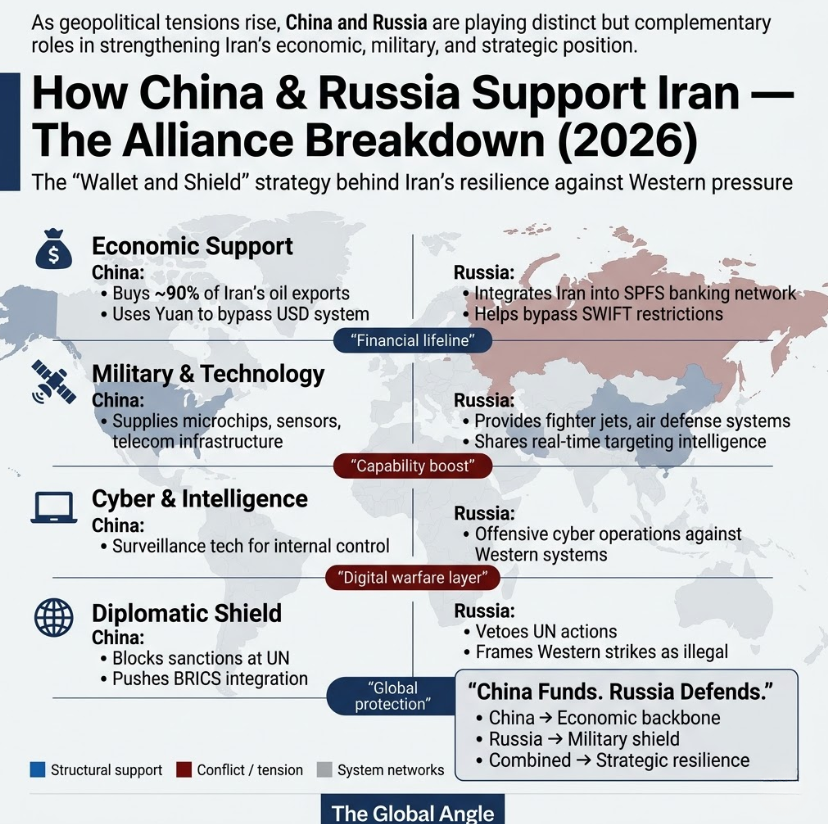
To quickly visualize how this alliance works, here is the breakdown of exactly what each superpower brings to the table to support Iran in the current war:
| Support Vector | China’s Contribution (The Wallet) | Russia’s Contribution (The Shield) |
| Economic | Purchases 90% of Iran’s oil exports via the “Dark Fleet.” Settles trade in Yuan to bypass the U.S. Dollar. | Integrates the Iranian banking sector with Russia’s SPFS system to completely bypass Western SWIFT bans. |
| Military Tech | Provides dual-use microchips, navigation sensors, and telecom infrastructure. | Supplies Su-35 jets, air defense systems, and real-time military satellite targeting data. |
| Cyber & Intel | Supplies domestic surveillance tech to help the Iranian government maintain internal control. | Conducts joint cyber-warfare operations against Western financial and military logistics networks. |
| Diplomatic | Blocks U.S.-led sanctions at the UN; advocates for Iran’s full integration into the BRICS economic ecosystem. | Vetoes UN Security Council resolutions; frames U.S. strikes on Iranian facilities as illegal acts of aggression. |
Conclusion: The End of Unipolarity
The ongoing conflict in 2026 proves one stark reality: the era of uncontested American hegemony in the Middle East is over. The fact that Iran can absorb direct U.S. military strikes and crushing sanctions without its government collapsing is entirely due to the support of Russia and China. As long as this trilateral alliance holds, the geopolitical balance of power will continue to shift aggressively toward the East.
Frequently Asked Questions
Is China buying oil from Iran in 2026?
Yes. Despite heavy U.S. sanctions, China remains the largest buyer of Iranian crude oil. Beijing utilizes a “dark fleet” of uninsured tankers and processes the oil through independent refineries, frequently settling the payments in Chinese Yuan to bypass the U.S. financial system.
Does Russia sell weapons to Iran?
Yes. In a reciprocal alliance that began during the Ukraine war, Russia has provided Iran with advanced military hardware, including Su-35 fighter jets, advanced radar systems, and technical assistance for Iran’s domestic missile and space programs.
Are Russia and China formally allied with Iran?
While they do not have a mutual defense treaty like NATO (meaning an attack on Iran does not legally require Russia or China to declare war), they have deep, formalized strategic and economic partnerships. Iran is also a full member of the Shanghai Cooperation Organisation (SCO) and the BRICS economic bloc alongside Russia and China.
ALSO READ: Who Can Pass Through Strait of Hormuz? Blockade Rules & Strait of Hormuz Shipping Status
Russia China trade relations 2026: Sanctions Evasion, Dual-Use Tech, and the Putin-Xi Summit
Russia China trade relations 2026: Sanctions Evasion, Dual-Use Tech, and the Putin-Xi Summit Executive Briefing…

What is Hantavirus Outbreak 2026: Symptoms, Vaccine Status, and the Climate Vector
What is Hantavirus Outbreak 2026: Symptoms, Vaccine Status, and the Climate Vector The Immediate Trigger:…
Starlink & SpaceX IPO 2026: Everything You Need to Know
Starlink & SpaceX IPO 2026: Everything You Need to Know The Valuation: According to Institutional…
What is OPEC? How the Oil Cartel Functions and Why It’s Fracturing in 2026
What is OPEC? How the Oil Cartel Functions and Why It’s Fracturing in 2026 The…
Why the UAE Quit OPEC and the Birth of the Petro-Rupee
Why the UAE Quit OPEC and the Birth of the Petro-Rupee The Rupture: The United…

Microsoft OpenAI Partnership Ends: Why Microsoft is Dropping OpenAI’s Exclusive License
Microsoft OpenAI Partnership Ends: Why Microsoft is Dropping OpenAI’s Exclusive License The Announcement: On April…

Ibrahim is the Founder and Lead Analyst at The Global Angle, an independent digital platform dedicated to factual geopolitical analysis and international affairs. Based in India, he combines an engineering background with a deep focus on global markets, diplomacy, and strategic security. Ibrahim leverages a data-driven, analytical approach to break down complex international conflicts and economic shifts, helping readers see beyond standard news narratives. When he isn’t researching global policy, he focuses on digital publishing, search engine optimization, and platform architecture.