Executive Briefing (Update: March 2026)
- The Asymmetric Advantage: Despite weeks of heavy U.S. and Israeli bombardment, Iran has successfully decentralized its military command and is utilizing low-cost drone swarms to exhaust American interceptor stockpiles, shifting the conflict into an unwinnable war of attrition. so Is the U.S. Losing the Iran War?
- The Push for an Early Exit: Facing skyrocketing global energy prices, depleted air-defense munitions, and the political toxicity of a potential ground invasion ahead of mid-term elections, the U.S. administration is aggressively searching for a diplomatic off-ramp.
- The Diplomatic Disconnect: While President Donald Trump recently paused military strikes and claimed “productive” peace talks are underway, Tehran’s leadership has publicly denied all negotiations, refusing to engage while under fire and dictating strict terms for the Strait of Hormuz.
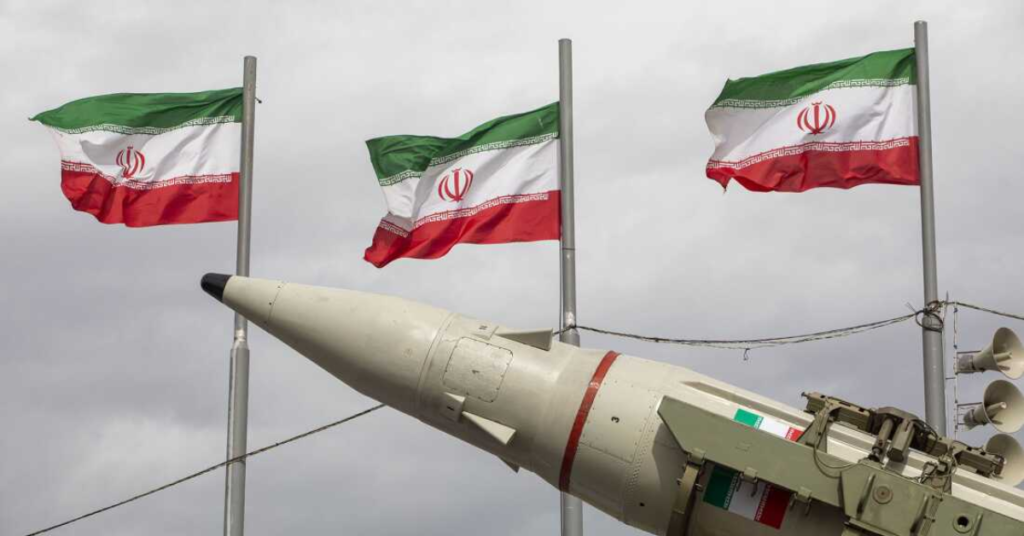
Four weeks into the escalating conflict between the United States, Israel, and Iran, the geopolitical consensus is shifting. What began with overwhelming conventional airstrikes by Washington and Tel Aviv has morphed into a grueling, asymmetric quagmire.
For geopolitical observers, the question is no longer just about military hardware, but about strategic endurance: Is the U.S. losing the war in Iran? While the U.S. maintains total conventional air superiority, Iran is currently dominating the strategic pacing of the conflict. Here is The Global Angle’s definitive analysis of why Washington is seeking an early exit, how Iran is neutralizing U.S. power, and why peace talks remain completely stalled.
How Iran is Dominating the Tactical Pace
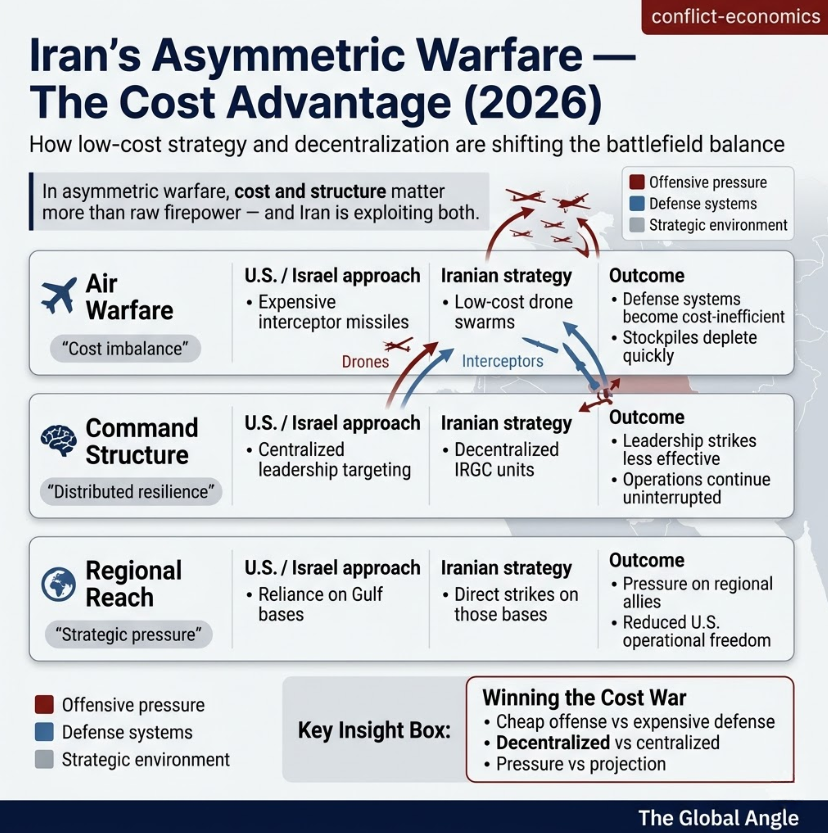
The American strategy of toppling the regime through decapitation strikes has yielded mixed results. While Israeli strikes successfully targeted top Iranian leadership, Iran did not collapse. Instead, anticipating these strikes, Tehran decentralized the Islamic Revolutionary Guard Corps (IRGC) into 31 operationally autonomous divisions.
By avoiding symmetric warfare, Iran has forced the U.S. into a highly inefficient defensive posture. Tehran has opened multiple fronts, targeting U.S. bases in Gulf countries to actively expose the limitations of the American security umbrella.
Furthermore, the economics of the battlefield heavily favor Tehran.
How Iran is Dominating The Economics of Asymmetric Warfare
| Tactical Element | U.S. / Israeli Reality | Iranian Strategy | Strategic Outcome |
| Air Warfare | Firing multi-million dollar Patriot and SM-6 interceptors. | Deploying massive swarms of low-cost suicide drones. | U.S. Disadvantage: Interception costs are 15-20x higher than the drones themselves, rapidly depleting U.S. defense stockpiles. |
| Command Structure | Highly centralized command aiming for regime decapitation. | Decentralized into 31 autonomous IRGC divisions. | Iranian Advantage: Eliminating senior leaders no longer stops regional missile launches. |
| Regional Reach | Relying on Gulf state bases for power projection. | Firing on U.S. bases in allied Gulf nations. | Iranian Advantage: Puts massive political pressure on Gulf monarchs to expel U.S. forces. |
Why Does the U.S. Want an Early Exit?
The White House is facing mounting pressure to end the conflict quickly. The pressure to withdraw is not primarily coming from military defeat, but from catastrophic macroeconomic blowback and the ghost of past Middle Eastern wars.
President Trump, who campaigned on bringing troops home, is deeply aware that a ground offensive in Iran’s mountainous terrain would require hundreds of thousands of troops and risk repeating the two-decade failure of Afghanistan.
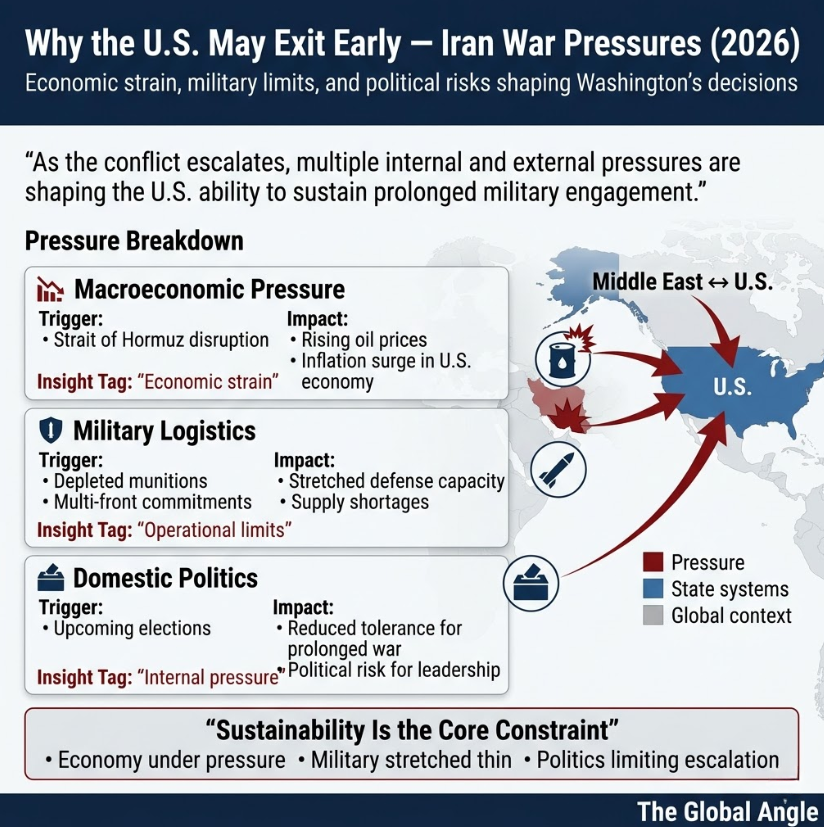
Pressures Forcing a U.S. Early Exit From Iran War
| Pressure Point | Factor | Impact on Washington |
| Macroeconomics | The Strait of Hormuz Blockade | Iran’s blockade has severely disrupted global supply chains, driving up Brent crude prices and sparking cost-push inflation within the U.S. economy. |
| Military Logistics | Depleted Munitions | Sustaining interceptor fire for Israel, U.S. Gulf bases, and the ongoing Ukraine war is stretching the U.S. defense industrial base to its breaking point. |
| Domestic Politics | Approaching Mid-Term Elections | A prolonged, expensive, and casualty-heavy Middle Eastern quagmire threatens the administration’s domestic political standing. |
US Iran War Peace Talks
The urgency for an off-ramp resulted in a bizarre diplomatic standoff this week. President Trump extended a 48-hour ultimatum by five days, halting planned U.S. strikes on Iranian power plants. He publicly claimed that “very good and productive conversations” were happening with Iranian representatives via mediators like Pakistan, Turkey, and Egypt.
However, Iran explicitly rejected this narrative. The Iranian Foreign Ministry and IRGC-affiliated media outlets (like Tasnim and Fars News) released statements aggressively denying any direct or indirect negotiations. From Tehran’s perspective, Trump backed down due to Iran’s threat to obliterate U.S. energy infrastructure in the region.
What Are Iran’s Conditions for Peace?
Tehran knows it holds the leverage regarding global oil prices, and its leadership is setting uncompromising red lines for any future diplomatic engagement.
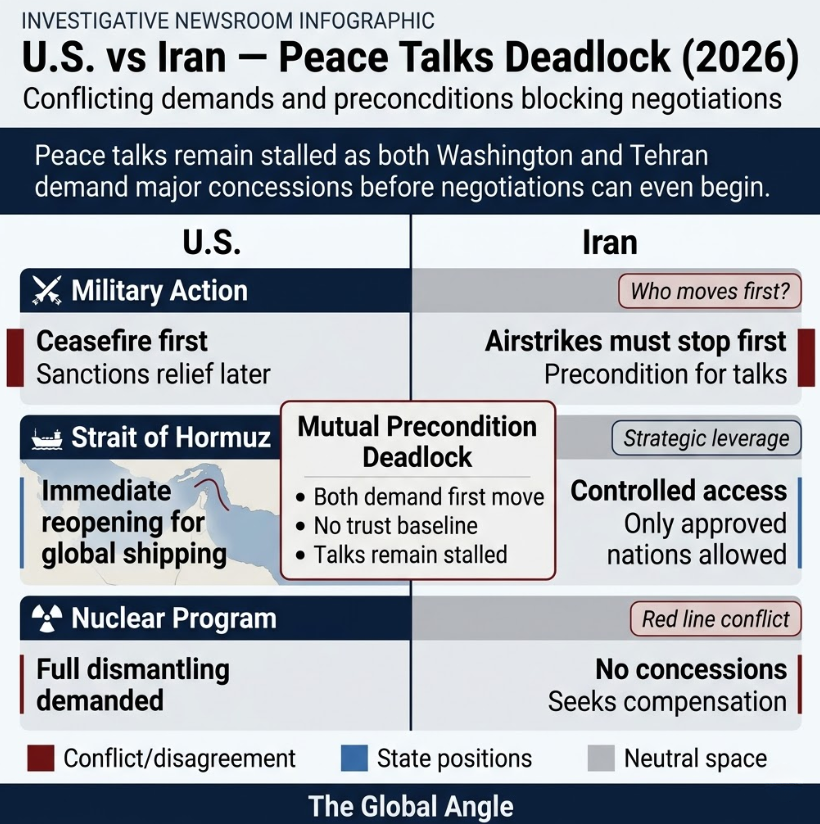
Iran’s Demands For Peace Talks
| Issue | U.S. Demands | Iran’s Pre-Conditions |
| Military Action | Demands Iran cease firing on Israel and U.S. assets before sanctions are lifted. | Demands a complete and total halt to all U.S. and Israeli airstrikes before any talks can even begin. |
| The Strait of Hormuz | Demands the immediate, unconditional reopening of the strait to global shipping. | Declares only “non-belligerent” states may pass, and only if they coordinate directly with Tehran. |
| Nuclear Program | Demands the total dismantling of Iran’s nuclear enrichment capabilities. | Refuses any nuclear concessions and demands financial compensation for infrastructure destroyed in the war. |
Conclusion
The U.S. is not “losing” the war in a traditional military sense—its airpower remains unmatched. However, Washington is rapidly losing the strategic war. By weaponizing global inflation, threatening the Strait of Hormuz, and engaging in cheap, asymmetric drone warfare, Iran has effectively cornered a superpower that cannot afford a ground invasion. Until the U.S. is willing to meet Tehran’s strict pre-conditions, the diplomatic freeze will continue.
Frequently Asked Questions (Is the U.S. Losing the Iran War?)
Is the US secretly negotiating with Iran?
While the U.S. administration claims that productive, indirect talks are occurring through mediators like Pakistan and Egypt, Iranian officials and state media have vehemently denied that any negotiations are taking place, stating they will not talk under military fire.
Why is Iran targeting the Strait of Hormuz?
The Strait of Hormuz is a massive global choke point for energy trade. By blocking it or restricting access to only “non-belligerent” countries, Iran is weaponizing global oil prices, causing inflation that heavily pressures the U.S. to end the war.
Could the U.S. launch a ground invasion of Iran?
A ground invasion is highly unlikely. Iran’s massive size, mountainous topography, and decentralized military structure would make a ground war incredibly costly. U.S. leadership is actively trying to avoid an “Afghanistan-style” guerrilla conflict.
ALSO READ: How Russia and China Are Helping Iran 2026 Middle East Conflict
Russia China trade relations 2026: Sanctions Evasion, Dual-Use Tech, and the Putin-Xi Summit
Russia China trade relations 2026: Sanctions Evasion, Dual-Use Tech, and the Putin-Xi Summit Executive Briefing…

What is Hantavirus Outbreak 2026: Symptoms, Vaccine Status, and the Climate Vector
What is Hantavirus Outbreak 2026: Symptoms, Vaccine Status, and the Climate Vector The Immediate Trigger:…

Starlink & SpaceX IPO 2026: Everything You Need to Know
Starlink & SpaceX IPO 2026: Everything You Need to Know The Valuation: According to Institutional…
What is OPEC? How the Oil Cartel Functions and Why It’s Fracturing in 2026
What is OPEC? How the Oil Cartel Functions and Why It’s Fracturing in 2026 The…

Why the UAE Quit OPEC and the Birth of the Petro-Rupee
Why the UAE Quit OPEC and the Birth of the Petro-Rupee The Rupture: The United…

Microsoft OpenAI Partnership Ends: Why Microsoft is Dropping OpenAI’s Exclusive License
Microsoft OpenAI Partnership Ends: Why Microsoft is Dropping OpenAI’s Exclusive License The Announcement: On April…

Ibrahim is the Founder and Lead Analyst at The Global Angle, an independent digital platform dedicated to factual geopolitical analysis and international affairs. Based in India, he combines an engineering background with a deep focus on global markets, diplomacy, and strategic security. Ibrahim leverages a data-driven, analytical approach to break down complex international conflicts and economic shifts, helping readers see beyond standard news narratives. When he isn’t researching global policy, he focuses on digital publishing, search engine optimization, and platform architecture.