US Cuba Relations History
- The 2026 Energy Crisis: Following the U.S. military intervention in Venezuela, Washington severed Havana’s primary petroleum lifeline. A strict U.S. blockade on fuel imports has triggered island-wide blackouts and severe humanitarian shortages.
- The Diplomatic Reversal: Decades of cyclical diplomacy—from Cold War embargoes to the 2014 Obama-era thaw—have collapsed. The current U.S. administration aims for regime compliance through intense economic strangulation.
- The Economic Reality: Cuba faces a projected 7.2% GDP contraction in 2026. Experts cite a combination of aggressive U.S. sanctions and Havana’s rigid, centralized economic model as the primary drivers of the collapse.

The island is dark. Following the January 2026 U.S. military capture of Venezuelan President Nicolás Maduro, Washington immediately severed the petroleum pipeline connecting Caracas to Havana. On January 29, 2026, U.S. President Donald Trump signed Executive Order 14380. This directive threatens steep tariffs against any sovereign nation that supplies oil to Cuba.
The results were immediate. Cuba lost access to fuel oil, diesel, and aviation fuel. Hospitals suspended basic surgeries. Schools closed. The national power grid collapsed completely.
This is the most aggressive posture Washington has taken toward Havana since the 1962 Cuban Missile Crisis. President Trump recently told reporters, “Cuba is a mess. It’s a failing country, and they’re going to be next.”
To understand the sheer speed of the 2026 crisis, you have to track the economic warfare that has defined U.S.-Cuba relations for nearly seven decades.
The Architecture of the Embargo (1959–1996)
Fidel Castro overthrew the U.S.-backed Batista government in 1959. He swiftly nationalized American-owned oil refineries, utilities, and agricultural assets. Washington responded with total economic isolation.
The economic embargo began as a localized tool for containment. Over the decades, it evolved into a permanent, inflexible legislative wall.
US Cuba Relations History
| Year | Policy Action | Direct Economic Impact on Cuba |
| 1960 | Eisenhower cuts the Cuban sugar quota. | Cuba loses its largest export market overnight, forcing total reliance on the Soviet Union. |
| 1962 | Kennedy imposes a full commercial embargo. | Bans almost all U.S. exports. Systematically isolates the island from Western financial systems. |
| 1992 | Cuban Democracy Act | Prohibits foreign-based subsidiaries of U.S. companies from executing trade with Cuba. |
| 1996 | Helms-Burton Act | Penalizes foreign companies operating in Cuba. Legally mandates the embargo remain until the Castros are out of power and free elections are held. |
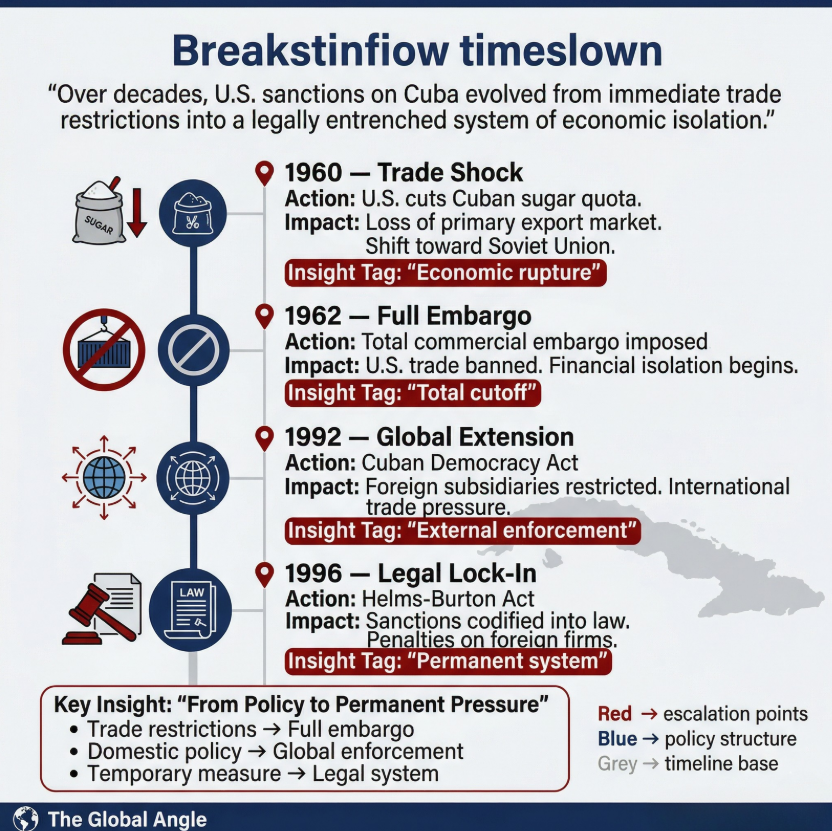
When the Soviet Union collapsed in 1991, Cuba lost its primary financial benefactor. The national GDP plummeted by 35%. The 1996 Helms-Burton Act weaponized that specific vulnerability, legally locking the American embargo in place and removing the power of the President to lift it unilaterally.
The Short-Lived Thaw
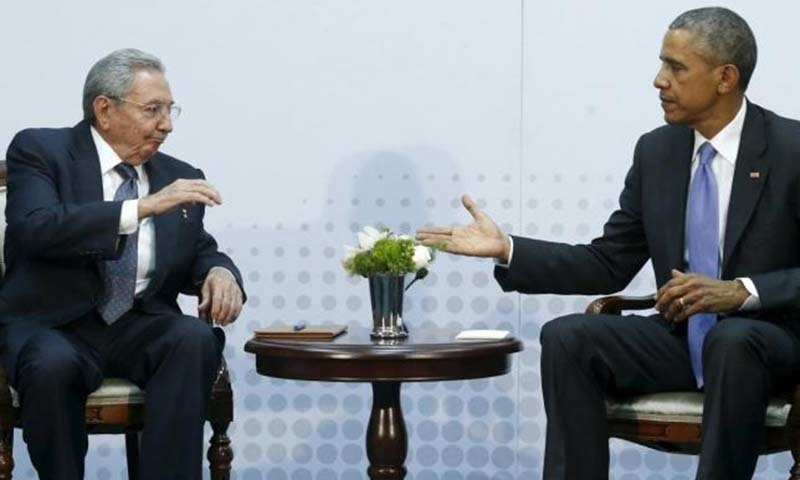
The dynamic shifted briefly a decade ago. In December 2014, President Barack Obama announced the restoration of full diplomatic ties. The strategy pivoted from isolation to direct engagement.
Obama argued that fifty years of isolation had failed to produce a democratic Cuba. He stated, “America chooses to cut loose the shackles of the past so as to reach for a better future.” The U.S. removed Cuba from the State Sponsor of Terrorism list. Travel restrictions loosened. Commercial flights resumed. Remittances flowed into the Cuban private sector.
The détente did not last.
The 2026 Crisis and Maximum Pressure
The first Trump administration systematically reversed the Obama-era policies. Washington restricted travel, capped family remittances, and placed Cuba back on the State Sponsor of Terrorism list.
In his second term, Trump escalated the strategy from basic containment to active economic strangulation. The January 2026 Executive Order targets the regime’s single greatest vulnerability: imported energy.
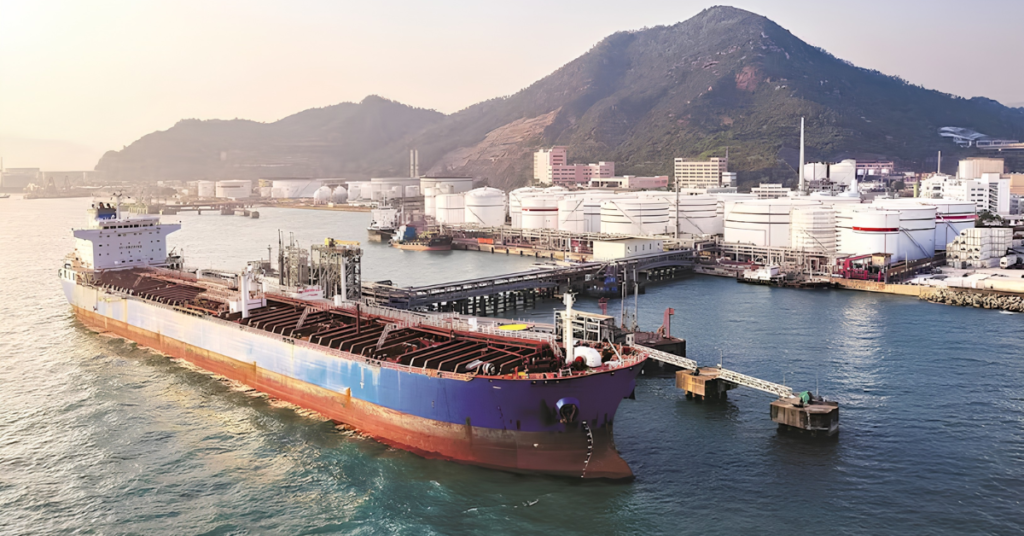
Cuba produces very little of its own oil. It relied almost entirely on subsidized shipments from Venezuela. With Maduro gone and the U.S. enforcing a de facto blockade in the Caribbean, Havana has no fuel. A Russian tanker carrying 730,000 barrels of crude oil did reach Matanzas in late March 2026. Washington allowed it to dock, deciding not to risk a direct military confrontation with Moscow. Still, a single tanker cannot sustain a national grid.
The Failure of the Domestic Model
U.S. sanctions are highly destructive. Yet, independent analysts point out that Havana’s internal policies share the blame for the current structural collapse.
The Cuban power grid has lacked basic maintenance for decades. William LeoGrande, an academic expert on Cuba, notes the infrastructure is simply “way past its normal useful life.”
The communist government maintains a tight, paranoid grip on private enterprise. Cristina Lopez-Gottardi Chao, an assistant professor at the University of Virginia, highlights the internal dysfunction. She states that Cuba’s core problem is “a rigid, socialist, centralized economic model marked by extensive nationalization, a bloated public sector, and deep resistance to reform.”
The Strategic Endgame
Washington is aiming for total regime collapse. Diplomatic backchannels are reportedly open. Cuban President Miguel Díaz-Canel recently confirmed talks with the U.S., floating the idea of allowing Cuban exiles to invest in the local economy. He also authorized the release of 51 political prisoners.
However, the U.S. demands total capitulation. The goal is regime compliance.
Even if the communist government falls, the economic prize for the United States is minimal. Cuba lacks major natural resources. Will Freeman, a fellow at the Council on Foreign Relations, assesses the reality bluntly. He notes that while the tourism sector has potential, it requires a massive overhaul of the energy grid and infrastructure. Right now, there is “no clear financing source” for that undertaking.
The island remains paralyzed. The U.S. holds absolute economic leverage. Havana refuses to yield its monopoly on political power.
Frequently Asked Questions
Why did the U.S. blockade oil to Cuba in 2026?
Following the U.S. capture of Venezuelan President Nicolás Maduro in January 2026, Washington took control of Venezuelan oil exports. President Trump subsequently signed an Executive Order threatening tariffs on any country that supplies oil to Cuba, aiming to force the collapse of the Cuban communist government through energy starvation.
When did the U.S. embargo against Cuba start?
The commercial embargo began in 1962 under President John F. Kennedy. It was a direct response to Fidel Castro’s 1959 revolution, which involved the nationalization of American-owned refineries and properties without compensation.
Did U.S.-Cuba relations ever improve?
Yes. Between 2014 and 2016, the Obama administration restored diplomatic ties, reopened the U.S. embassy in Havana, and removed Cuba from the State Sponsor of Terrorism list. This period of normalized relations was reversed by the Trump administration starting in 2017.
What is the economic state of Cuba right now?
Cuba is currently in a state of deep economic and humanitarian crisis. Due to the 2026 fuel blockade, the island is experiencing continuous power grid failures, hospital closures, and severe inflation. The national GDP is projected to decline by over 7% this year alone.
ALSO READ: The Saudi-Pakistan Defense Pact: Strategic Masterstroke or Sovereignty Trap?
ALSO READ: Who Are the Houthis? Yemen’s Governance, Iran Ties, and War Impact
Russia China trade relations 2026: Sanctions Evasion, Dual-Use Tech, and the Putin-Xi Summit
Russia China trade relations 2026: Sanctions Evasion, Dual-Use Tech, and the Putin-Xi Summit Executive Briefing…
What is Hantavirus Outbreak 2026: Symptoms, Vaccine Status, and the Climate Vector
What is Hantavirus Outbreak 2026: Symptoms, Vaccine Status, and the Climate Vector The Immediate Trigger:…
Starlink & SpaceX IPO 2026: Everything You Need to Know
Starlink & SpaceX IPO 2026: Everything You Need to Know The Valuation: According to Institutional…
What is OPEC? How the Oil Cartel Functions and Why It’s Fracturing in 2026
What is OPEC? How the Oil Cartel Functions and Why It’s Fracturing in 2026 The…
Why the UAE Quit OPEC and the Birth of the Petro-Rupee
Why the UAE Quit OPEC and the Birth of the Petro-Rupee The Rupture: The United…

Microsoft OpenAI Partnership Ends: Why Microsoft is Dropping OpenAI’s Exclusive License
Microsoft OpenAI Partnership Ends: Why Microsoft is Dropping OpenAI’s Exclusive License The Announcement: On April…

Ibrahim is the Founder and Lead Analyst at The Global Angle, an independent digital platform dedicated to factual geopolitical analysis and international affairs. Based in India, he combines an engineering background with a deep focus on global markets, diplomacy, and strategic security. Ibrahim leverages a data-driven, analytical approach to break down complex international conflicts and economic shifts, helping readers see beyond standard news narratives. When he isn’t researching global policy, he focuses on digital publishing, search engine optimization, and platform architecture.